The Everyday Test of Countertops and Bar Tops
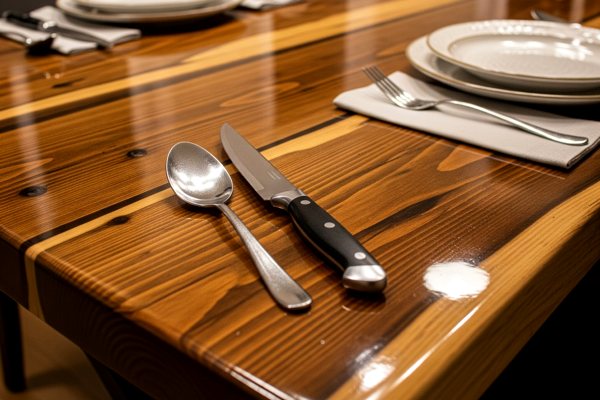
When you install a new countertop, table top, or bar top, you want it to look great for years, not just weeks. That’s where the question of scratch resistance comes in. With cutting, sliding plates, spilled drinks, and all the activity these surfaces endure, durability is top priority.
Epoxy has grown into a popular choice not just because it looks stunning, but because it offers impressive strength and resilience. Still, many people wonder: Is epoxy scratch resistant enough for real-world, everyday use?
In this article, we'll take a look at how epoxy holds up against scratches, what you can realistically expect, how it compares to other materials, and how to keep your surface looking flawless.

Epoxy’s Top-Notch Scratch Resistance
One of the standout qualities of epoxy is its ability to hold up against daily wear in kitchens, dining areas, and commercial spaces. When fully cured, epoxy forms a dense, non-porous surface that resists scratches far better than softer sealants like polyurethane or lacquer.
Unlike natural stone, which can chip or show surface etching, epoxy’s polymer structure distributes impact energy across the surface, making it less likely to develop visible damage from ordinary household activities. It can easily handle sliding plates, coffee mugs, or barware without showing obvious wear.
Another advantage of epoxy is that fine surface marks that do occur—like light scuffs from utensils or repeated movement of dishes—can often be buffed out or polished without professional tools. This makes it more “renewable” than materials like granite or marble, where scratches can be permanent unless professionally repaired.
Epoxy’s durability is one of the main reasons it has become a trusted choice for high-traffic countertops and bar tops, where repeated daily use would quickly age lesser materials.
However, no countertop material is entirely scratch-proof. Epoxy, like granite, quartz, or even stainless steel, can show marks if abused. Dragging sharp metal across it, using it as a cutting board, or gouging it with hard objects can damage the finish.
The takeaway: epoxy is highly scratch resistant, but maintaining good habits is still important to preserve its smooth, glossy appearance.

Comparing Epoxy to Other Countertop Materials
To put epoxy’s scratch resistance into context, it helps to compare it with other common countertop materials:
-
Granite & Quartz – These natural stone surfaces are also durable, but they can chip or scratch with sharp metal tools. Epoxy holds up similarly under most household conditions but avoids the porousness of natural stone.
-
Marble – More delicate than granite, marble scratches and stains much more easily than epoxy. Epoxy offers a stronger, more stain-resistant option while still achieving a high-end look.
-
Butcher Block/Wood – Wood is very prone to scratches, dents, and stains. Epoxy outperforms it significantly in durability.
-
Laminate – Affordable but not scratch resistant; epoxy is vastly superior in strength and appearance.
-
Stainless Steel – Extremely durable, but shows visible scratches over time. Epoxy maintains clarity and gloss with less visible wear.
Epoxy strikes a balance: more forgiving and customizable than stone, harder than wood or laminate, and visually more versatile than steel. Take a look at the table below for a quick read of how these and other materials compare to epoxy and each other.
| Material | Scratch Resistance Level | Vulnerabilities | Maintenance Difficulty | Notes |
|---|---|---|---|---|
| Epoxy | High | Can be gouged by sharp metal or knives | Low – easy to clean, polishable | Resistant to stains; minor scratches often buffed out. |
| Granite | High | Chipping on edges; some scratching | Medium – requires sealing | Strong, but porous without sealant; professional repair needed. |
| Quartz | High | Less prone to chipping, but can scratch | Medium | Non-porous, durable; finish not renewable like epoxy. |
| Marble | Low–Medium | Scratches and etches easily | High | Beautiful but delicate; requires frequent care and sealing. |
| Wood (Butcher Block) | Low | Easily dented or scratched | High | Must be sealed and maintained regularly; very prone to wear. |
| Laminate | Low–Medium | Prone to cuts and abrasions | Low | Budget-friendly, but scratches are permanent. |
| Stainless Steel | High | Fine scratches accumulate visibly | Low–Medium | Durable overall, but develops patina of scratches over time. |

Everyday Situations and How Epoxy Handles Them
Epoxy countertops, table tops, and bar tops aren’t just meant to look beautiful—they’re designed to handle the real-life wear and tear of daily use.
Here’s a closer look at how epoxy holds up in common scenarios you’ll likely encounter at home or in a commercial setting:
Sliding Plates, Glasses, and Utensils
One of the biggest concerns people have with glossy surfaces is whether they’ll dull quickly from constant contact with dishware. With epoxy, this kind of everyday friction is rarely an issue. Plates, mugs, and flatware can be moved across the surface without leaving behind obvious scratches.
In cases where fine scuffs do occur, they’re usually so shallow that they can be buffed out with a simple polish.
Food Preparation and Cooking
Epoxy is food safe once cured, making it a practical choice for kitchen counters and serving areas. That said, it’s important not to mistake “durable” for “indestructible.” Cutting directly on epoxy isn’t recommended—not because the resin can’t handle incidental knife contact, but because repeated slicing can eventually leave cuts or dull your knives.
Using a cutting board is the best way to preserve your finish while still enjoying epoxy’s clean, sanitary surface for meal prep.
Heat Exposure from Drinks and Dishes
Warm cups of coffee or plates of food aren’t a problem for epoxy. However, extremely hot pans or baking dishes should not be placed directly on the surface, as sudden, intense heat can leave marks or cause warping. Trivets or hot pads are the safest solution. In everyday dining and entertaining scenarios, though, epoxy handles moderate heat exposure very well.
Spills, Liquids, and Alcohol
Epoxy’s non-porous nature makes it far more forgiving than materials like wood or marble when it comes to spills. Red wine, coffee, oils, citrus juices, and even strong alcohols won’t penetrate the surface, meaning they can simply be wiped away without leaving behind stains or etching.
This makes epoxy especially valuable for bar tops, where spilled liquor and mixers are common.
Impact Resistance
Dropped utensils, bottles, or small kitchen gadgets are unlikely to damage epoxy under normal conditions. Its dense structure is less brittle than stone, which means it won’t chip as easily on sharp impact. For homes with kids or busy commercial spaces, this resiliency makes epoxy a practical, long-lasting option.
In short, epoxy is designed to stand up to the real demands of everyday life—offering a finish that’s both beautiful and functional, even in high-use spaces.

How to Maintain Scratch Resistance
Even though epoxy is impressively durable, a little routine care goes a long way toward keeping it looking pristine. Scratch resistance doesn’t mean neglect-proof—so with just a few mindful habits, you can dramatically extend the lifespan of your surface’s glossy finish.
Use Cutting Boards and Trivets
The single most important habit is to avoid direct cutting on your epoxy surface. While epoxy can handle incidental knife contact, repeated slicing will leave marks over time and can even dull your knives. Always use a cutting board for food prep.
Similarly, protect your epoxy from extreme heat by setting hot pans, pots, or baking dishes on trivets or heat-resistant pads. This prevents both heat damage and surface blemishes.
Choose the Right Cleaning Tools
For daily cleaning, stick to soft cloths, microfiber towels, or non-abrasive sponges. Avoid steel wool, scouring pads, or gritty scrubbers, which can introduce micro-scratches. These scratches may not seem noticeable at first but can accumulate over time and dull the glossy finish.
Learn more about cleaning epoxy surfaces here.
Use Mild, Non-Abrasive Cleaners
Harsh chemicals and abrasive cleaners can wear down the resin’s clarity. The best option is warm water with mild dish soap, which removes grease, spills, and fingerprints without harming the surface.
For stubborn spots, a soft cloth dampened with diluted vinegar or a plastic-safe cleaner works well.
Polish Occasionally
Epoxy is unique in that it can be refreshed without professional refinishing. If you notice light scuffs or dull areas in high-traffic zones, use a plastic polishing compound or epoxy-safe polish. With a soft cloth or polishing pad, these products can restore gloss and clarity quickly, making the surface look brand new again.
Practice Preventive Habits
Simple day-to-day choices, like placing felt pads under decorative objects, using coasters for glasses, and lifting items instead of dragging them, help minimize unnecessary wear. These preventive steps are especially important on bar tops or dining tables where objects are constantly being moved around.
A Little Care Goes a Long Way
By combining mindful habits with occasional upkeep, epoxy surfaces can remain smooth, glossy, and scratch-resistant for many years. With UltraClear Bar & Table Top Epoxy, this care routine is even simpler thanks to its premium hardness and polish-friendly finish, which make it more forgiving than lower-quality resins.
Quick Maintenance Checklist
-
✅ Always use cutting boards—never cut directly on epoxy.
-
✅ Place trivets under hot pots, pans, or baking dishes.
-
✅ Clean daily with a soft cloth and mild soap.
-
✅ Avoid harsh chemicals or abrasive scrubbers.
-
✅ Use coasters for drinks and felt pads under décor.
-
✅ Lift items instead of sliding them across the surface.
-
✅ Polish occasionally to restore shine if needed.

Why Cheap Epoxy Doesn’t Hold Up
It’s important to note that not all epoxies are created equal. Low-cost, budget-brand epoxies—especially those produced overseas with little regulation—often lack the hardness and durability needed for long-term scratch resistance.
-
Quality Control Issues – Inconsistent batches can cure too soft, making them prone to scratching and denting with minimal contact.
-
Premature Yellowing – Budget epoxies often skip UV inhibitors, leading to discoloration that exaggerates surface flaws.
-
Health and Safety Concerns – Poorly formulated resins may release unsafe chemicals or fail to meet FDA food-safety standards.
Even if you follow every best practice, inferior epoxy will simply not stand up to everyday wear.
Learn more about epoxy choice and what to watch out for here.

The Value of UltraClear Epoxy for Scratch Resistance
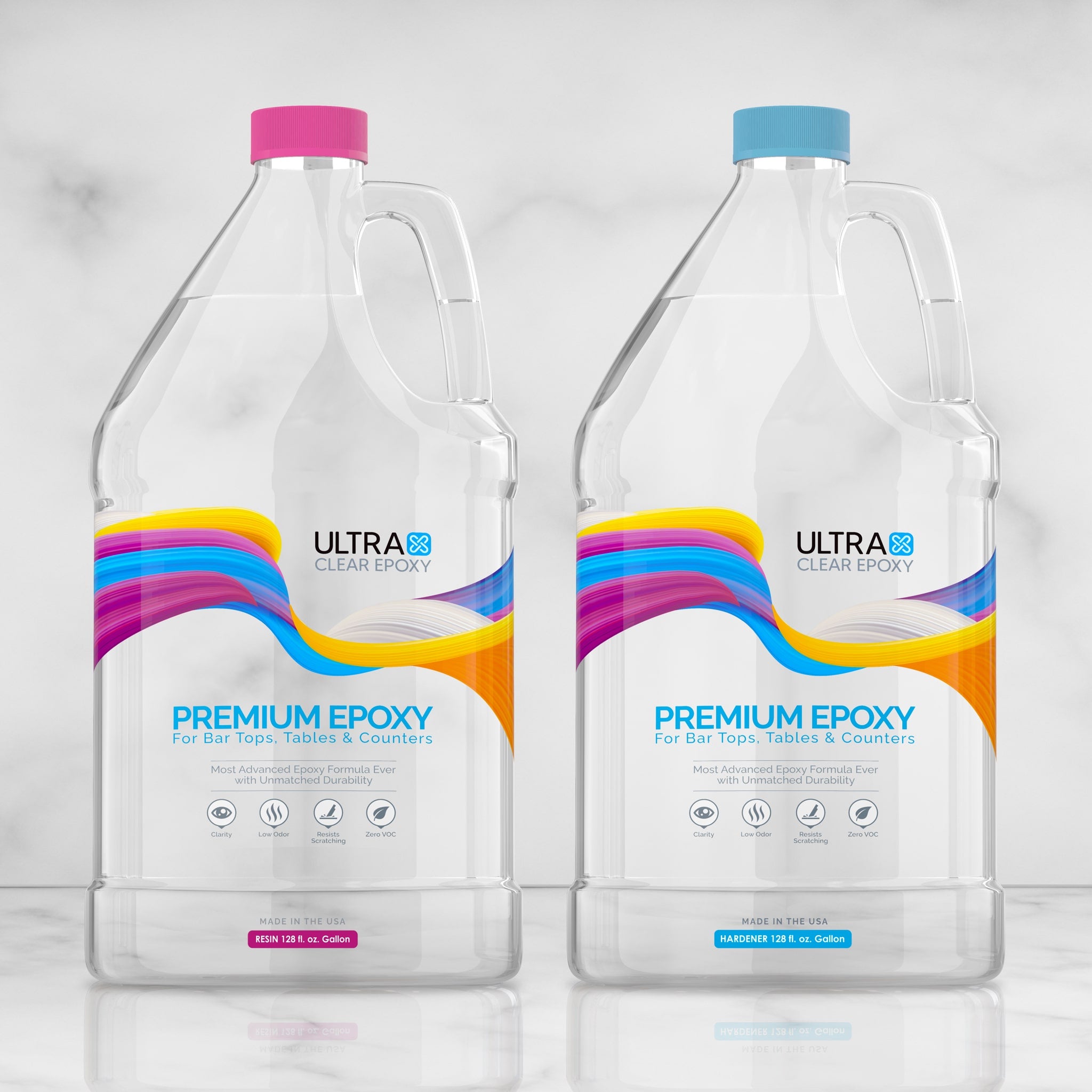
UltraClear Bar & Table Top Epoxy is engineered for a long-lasting, professional-grade finish. Unlike cheap alternatives, it cures consistently hard, forming a dense, resilient surface that resists scratches, stains, and heat far better than budget brands.
-
Premium Hardness – Designed to achieve maximum scratch resistance in real-world conditions.
-
Clarity That Lasts – Crystal-clear finish enhanced with strong UV resistance.
-
Food-Safe & Easy to Clean – Certified safe for surfaces where food and drinks are served.
-
Made in the USA – Produced under strict quality standards for consistent performance and peace of mind.
Choosing a high-quality epoxy like UltraClear ensures your countertop or bar top stays smooth, glossy, and easy to maintain—whether it’s in your home kitchen or a busy commercial bar.

FAQs: Scratch Resistance and Epoxy Surfaces
Will small scratches ruin the look of my epoxy bar top?
Not at all. Minor scuffs and scratches can often be buffed out with a polishing compound or refreshed with a thin recoat.
Can epoxy be used in a high-traffic commercial bar?
Yes. UltraClear Bar & Table Top Epoxy is commonly used in restaurants and bars because of its durability and ease of cleaning.
How does epoxy compare to tempered glass for scratch resistance?
Glass is harder but more prone to visible chips and cracks. Epoxy is less brittle and easier to repair or refresh.
Is epoxy safe around knives and sharp tools?
Epoxy can withstand incidental contact, but regular cutting should always be done on a cutting board to prevent gouges.

Scratch Resistance You Can Rely On
Epoxy provides excellent scratch resistance for countertops, table tops, and bar tops, offering strength that rivals or surpasses many traditional materials.
While it’s not indestructible, good care practices and choosing a high-quality product like UltraClear Bar & Table Top Epoxy ensure a finish that stays glossy, durable, and easy to clean for years to come.

Have Questions? Want Advice? We're Here to Help!
If you have any questions about epoxy resin, or if you'd like assistance in planning an epoxy project, please reach out to us at UltraClear Epoxy—our epoxy experts are ready to assist!
You can contact us via phone or email here. During business hours, you can also text chat online with one of our resin specialists by clicking the Help button at the bottom of your screen.
In our online store, you'll find a variety of useful tools and supplies, ideal for resin projects, plus our award-winning UltraClear Bar & Table Top Epoxy and our UltraClear Deep Pour Epoxy.
UltraClear Epoxy—Trusted by over 1 Million+ Happy Customers