Epoxy is widely known for its durability and sleek finish indoors, but its usefulness doesn’t stop at kitchen countertops and living room table tops. With the right planning, epoxy can also serve beautifully in outdoor settings. From bar tops on patios to furniture in covered decks, epoxy adds strength, gloss, and protection that can withstand frequent use.
However, outdoor environments pose unique challenges—sunlight, temperature swings, and moisture can all affect the longevity of an epoxy finish. This article will explore how epoxy performs outside, how to care for it, and what precautions to take so your outdoor epoxy project stays strong and attractive.
Contents(Click any link to jump to that section) |
|
The Appeal of Epoxy in Outdoor Settings Best Outdoor Applications for Epoxy Potential Issues with Outdoor Epoxy (and How to Avoid Them) Maintaining an Outdoor Epoxy Finish The Risks of Low-Cost Epoxy Outdoors |

The Appeal of Epoxy in Outdoor Settings
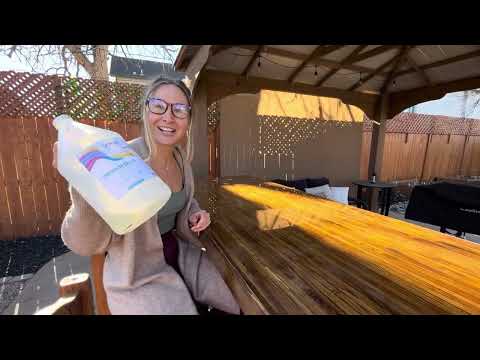
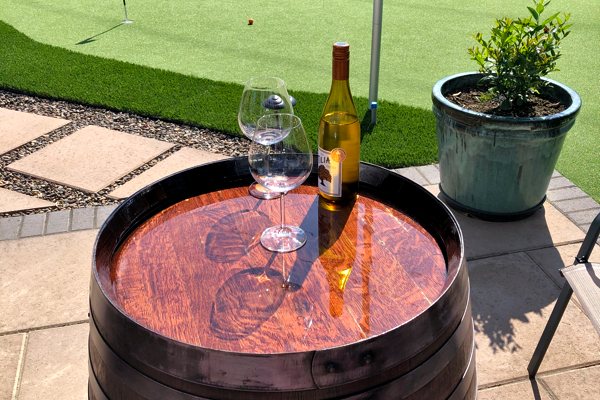
When applied in suitable outdoor conditions, epoxy offers protection and aesthetics that few finishes can match. Unlike traditional wood sealants or varnishes, epoxy creates a non-porous barrier that resists spills, stains, and moisture penetration. This makes it especially useful for outdoor bar tops, serving tables, and decorative surfaces in covered patio areas where frequent contact with food, drinks, and weather changes might otherwise cause damage.
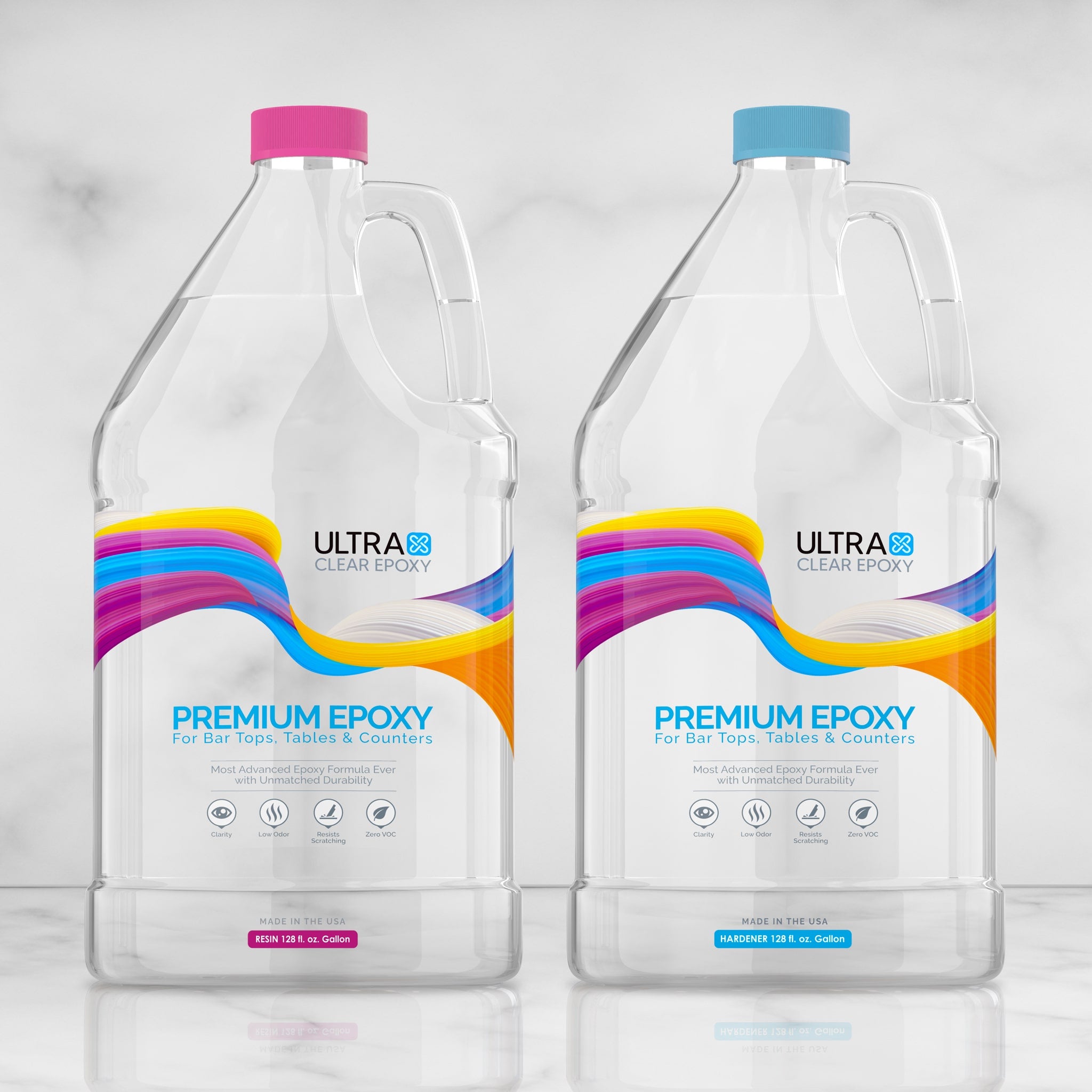
Compared to oil-based sealants, which often require yearly reapplication, epoxy can last for years with proper care. UltraClear Bar & Table Top Epoxy, for example, provides a crystal-clear surface that highlights natural wood or embedded designs while also sealing against scratches and routine wear. When placed in shaded or covered spaces, epoxy holds up exceptionally well, maintaining its clarity and glossy finish longer than most conventional coatings.
Epoxy also brings versatility: it can bond with a wide variety of materials, including wood, concrete, and stone, making it ideal for mixed-material outdoor furniture projects. Its long-term resilience against water and spills makes it an appealing choice for spaces where durability is essential.

Best Outdoor Applications for Epoxy
Epoxy resin isn’t just for indoor countertops or table tops—it has a valuable place in outdoor living spaces, too. When used in covered or semi-protected areas, epoxy can extend the lifespan of outdoor furniture while adding a polished, professional look. Here are some of the most common outdoor applications where epoxy excels:
-
Covered Bar Tops and Countertops – Outdoor kitchens, backyard bars, and grilling stations are popular spots for epoxy. UltraClear Bar & Table Top Epoxy provides a strong, glossy finish that resists spills, stains, and scratches from serving ware.
-
Patio and Garden Tables – Whether you’re working with wood, stone, or custom inserts like seashells or pebbles, epoxy helps lock everything in place while keeping the surface smooth and easy to clean.
-
Serving Tables and Side Tables – Small accent furniture often faces the same exposure risks as larger surfaces. A layer of epoxy offers moisture resistance and prevents fading or wear in high-use spots.
-
Decorative Accents – Epoxy can highlight unique surfaces like live-edge slabs, embedded stonework, or custom art designs, giving outdoor areas a one-of-a-kind focal point.
Each of these applications benefits from epoxy’s ability to provide lasting protection against spills, scratches, and mild exposure—especially when paired with sensible upkeep and shade.

Designing with Outdoor Epoxy
Beyond its practical durability, epoxy also opens unique creative possibilities for outdoor décor. Unlike many traditional finishes that only protect, epoxy allows for artistic customization.
-
Embedded Elements – Add seashells, stones, coins, or other meaningful items into your outdoor table top for a personalized touch. UltraClear Deep Pour Epoxy is perfect for securing these elements in thicker pours.
-
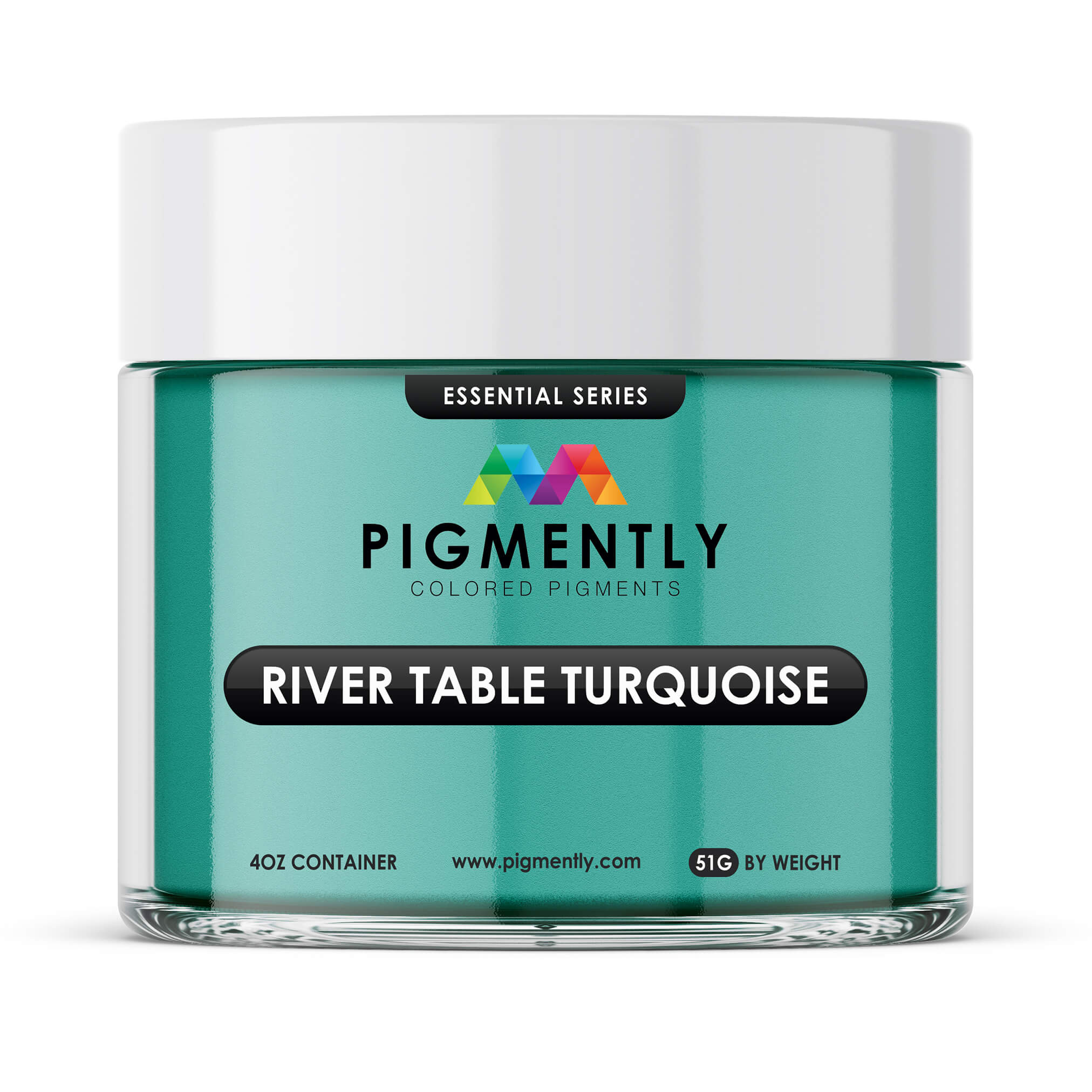
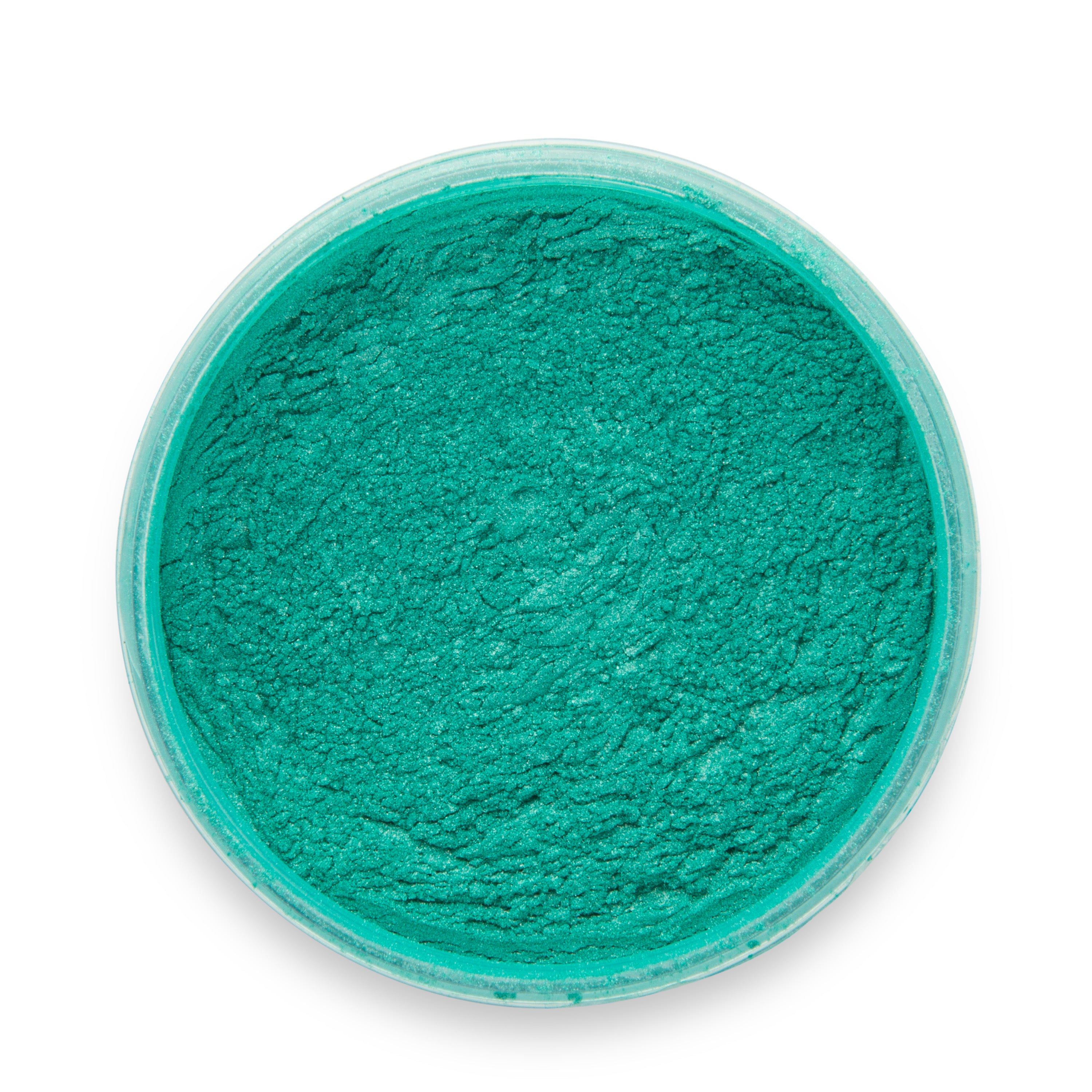
Tinted or Colored Finishes – Epoxy pigments and dyes allow you to match your finish to outdoor cushions, furniture, or surrounding landscaping. Subtle translucent tints can even give surfaces a water-like appearance.
-
Natural Enhancement – For those who prefer a classic look, epoxy enhances the natural grain of wood, making patterns more vivid and giving live-edge slabs an elegant, glass-like finish.
-
Thematic Designs – Outdoor entertainment areas can benefit from epoxy designs that mimic stone, water, or metallic accents, giving spaces a signature style without the cost of exotic materials.
By combining creativity with protection, epoxy not only preserves surfaces outdoors but also helps tie together the aesthetic of your entire space.


Potential Issues with Outdoor Epoxy (and How to Avoid Them)
While epoxy is tough, outdoor conditions create specific challenges that must be accounted for. The most common issues include:
-
UV Exposure (Yellowing and Fading): Direct sunlight can gradually cause epoxy to amber or lose clarity. To minimize this, place epoxy-coated furniture and surfaces in shaded or covered areas. Additionally, consider applying a UV-resistant urethane topcoat or pairing epoxy with shade structures like pergolas.
-
Temperature Extremes: Epoxy and the underlying materials it protects can sometimes expand or contract with drastic temperature changes, potentially leading to surface stress or cracking. To avoid this, use epoxy only on stable, well-prepared surfaces. Avoid leaving epoxy projects in completely exposed environments where freezing and high heat cycles are common.
-
Moisture Trapping: While epoxy resists water, trapping moisture underneath during application can create clouding or bubbles later. Always apply epoxy to fully dried surfaces, especially if working with wood that was outdoors before finishing.
By planning around these issues—choosing covered spaces, ensuring dry surfaces, and applying carefully—you can significantly extend the life of your outdoor epoxy finish.

More Specific Climate Considerations
Outdoor epoxy use requires more planning in certain climates, since environmental factors can affect how long the finish lasts. Knowing what to expect based on your region helps you get the most from your project.
-
Hot, Sunny Climates – Direct sun exposure can cause yellowing or surface breakdown over time. Using epoxy in shaded or covered outdoor areas, or applying a UV-resistant clear coat, helps maintain clarity and gloss.
-
Cold, Seasonal Climates – In regions with freezing temperatures, it’s best to move epoxy-topped furniture indoors during the winter. While epoxy is durable, extreme expansion and contraction from freezing cycles can stress the surface.
-
Humid and Coastal Climates – Humidity and salt air can challenge many outdoor finishes, but epoxy holds up better than most. Regular cleaning and ensuring surfaces are fully cured before exposure are key to preventing clouding or moisture spots.
-
Dry, Arid Climates – Dust and high heat can dull surfaces. Routine gentle cleaning keeps epoxy shining, and shading reduces wear from heat.
Epoxy can be a reliable option in nearly any climate, as long as surfaces are protected from prolonged direct sun and extreme conditions.

Maintaining an Outdoor Epoxy Finish
Keeping your epoxy surface looking polished outdoors requires some simple upkeep:
-
Routine Cleaning: Wipe down the surface regularly with a damp, soft cloth and mild soap to remove dust, pollen, and grime.
-
Avoid Abrasives: Never use steel wool or harsh scouring pads, as they can dull the glossy finish.
-
Protect During Harsh Seasons: In climates with extreme cold or direct summer sun, consider covering your epoxy furniture or storing it indoors during off-seasons.
-
Quick Spill Cleanup: While epoxy is highly resistant, cleaning up sticky or acidic spills promptly will preserve the smooth finish over time.
With just a little effort, your epoxy project will maintain its shine and protective qualities for years, even in outdoor conditions.
See our guide to epoxy care and maintenance for more information.
Note on Seasonal Care
In regions with freezing winters or scorching summers, it’s smart to store epoxy furniture indoors or under protective covers during extreme conditions. This not only protects the epoxy but also preserves the integrity of the base material beneath it, such as wood or stone.
By combining basic cleaning with seasonal precautions, your outdoor epoxy finish will remain beautiful and durable with minimal effort.


The Risks of Low-Cost Epoxy Outdoors
Not all epoxies are created equal, and this becomes especially apparent in outdoor projects. While budget-friendly brands may seem appealing, they often carry significant drawbacks that can’t always be avoided with careful application.
First, low-cost epoxies frequently lack the same level of UV resistance, which makes them far more prone to yellowing and fading after only a short period in outdoor conditions. Even if you follow all best practices, a weak formula simply won’t hold up to the stresses of outdoor environments.
Second, imported low-quality epoxies are often manufactured with limited quality control. This means you may end up with inconsistent curing times, surface tackiness, or uneven clarity that compromises your finished project. Beyond appearance, poorly regulated production can introduce safety concerns—some imported resins have been found to emit strong chemical odors or fail to meet U.S. safety standards.
Lastly, these cheaper products can be more brittle, making them vulnerable to cracking under outdoor temperature fluctuations. That fragility increases maintenance needs and reduces the long-term value of your project.

The UltraClear Solution
By contrast, choosing a premium epoxy such as UltraClear Bar & Table Top Epoxy provides reassurance. UltraClear’s U.S.-made formula is engineered for clarity, strength, and durability, with strict quality standards that ensure consistent performance.
With less maintenance, a stronger bond, and a surface that resists yellowing and scratches, UltraClear gives outdoor projects both beauty and peace of mind.

FAQs: Epoxy in Outdoor Settings
Can epoxy be used on fully exposed outdoor furniture?
Epoxy is highly durable, but it performs best in covered or semi-protected areas. Prolonged, direct UV exposure from full sun can cause yellowing, loss of clarity, or surface breakdown over time. If you want to use epoxy outdoors without shade, it’s best to apply a UV-resistant urethane clear coat on top or position the piece under an awning, pergola, patio, etc. cover for longer-lasting results.
How does epoxy compare to polyurethane or varnish outside?
Traditional sealants like polyurethane or spar varnish are designed specifically for outdoor use and can flex with changing temperatures, but they don’t achieve the same glass-like clarity or scratch resistance as epoxy.
Epoxy, when used outdoors properly, provides a thicker, more protective layer that’s easier to wipe clean and more resistant to spills, scratches, and stains. For the best of both worlds, many people apply epoxy for its strength and finish, then topcoat with an outdoor-rated UV sealer.
Will rain or humidity damage epoxy surfaces?
Once fully cured, epoxy is waterproof and highly resistant to moisture. Rain, spills, and high humidity won’t harm the finish, as long as the epoxy was applied correctly to a sealed surface.
The main concern outdoors isn’t water—it’s sunlight. Still, it’s good practice to wipe standing water off epoxy surfaces after storms to avoid water spots or dirt buildup.
Is epoxy safe to use on food-contact outdoor surfaces, like bar tops or dining tables?
Yes—after full curing, UltraClear Bar & Table Top Epoxy and other UltraClear finishes are food-safe and non-toxic. This makes them ideal for outdoor kitchens, serving tables, and bar tops. During the curing process, however, epoxy must be kept in a dust-free, ventilated space to ensure the surface sets correctly without contaminants.
How should epoxy be maintained outdoors to keep it looking new?
Epoxy maintenance is simple. Clean the epoxy surfaces with a soft cloth and a mild soap-and-water solution. Avoid abrasive pads or harsh chemicals that could dull the finish.
For pieces in uncovered areas, consider adding a fresh clear coat every couple of years, especially if you notice any dulling or minor yellowing. Keeping outdoor epoxy furniture covered when not in use also extends its life significantly.
Can epoxy crack outdoors in extreme weather?
Epoxy is strong and impact-resistant, but extreme temperature swings can stress any resin surface. In climates with harsh freezes or scorching summers, epoxy furniture should be moved indoors or into storage during the most severe seasons. This isn’t a flaw in the epoxy—it’s simply smart care for any high-quality finish.
What’s the best type of epoxy for outdoor projects?
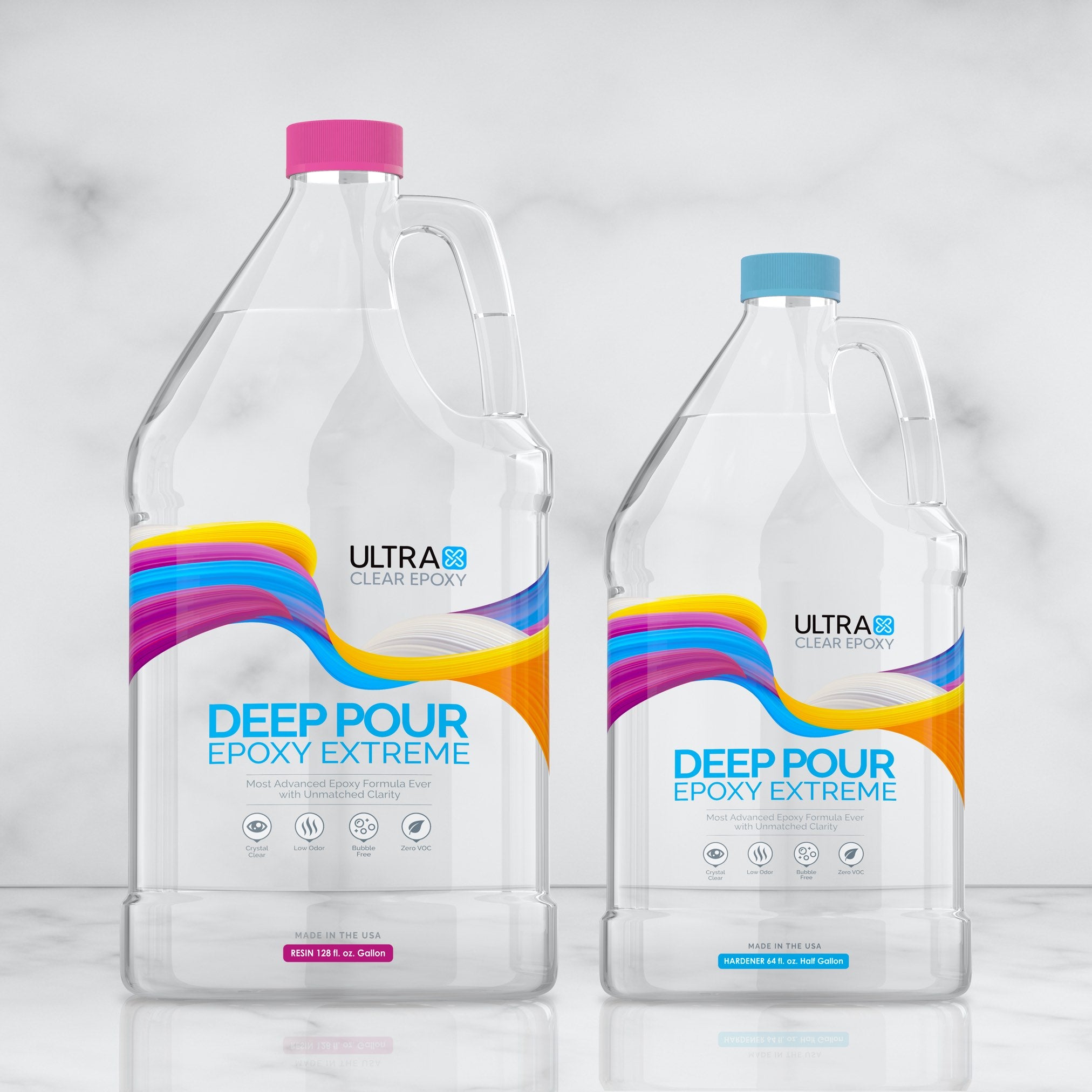
For flat, protective finishes like bar tops or dining tables, UltraClear Bar & Table Top Epoxy is the best fit. For thicker, creative projects such as embedded outdoor table tops or live-edge slabs, UltraClear Deep Pour Epoxy is ideal.
For smaller accents and artistic elements like decorative trays or garden-themed art, UltraClear Art & Craft Epoxy works best. Each product is designed to perform well in outdoor settings, provided the application is paired with proper protection and care.
Can epoxy be applied over stone, metal, or concrete outdoors?
Yes. Epoxy bonds well to many surfaces, including stone, metal, and concrete. However, these materials expand and contract differently with temperature changes, so proper surface preparation is crucial.
For outdoor use, sealing porous surfaces like stone or concrete before applying epoxy ensures moisture won’t interfere with adhesion.
Can epoxy be used around pools?
Epoxy can be a great option for outdoor poolside tables, serving areas, or accent pieces. The cured finish is waterproof and resistant to splashes of chlorinated or saltwater.
However, because of the constant exposure to direct sunlight near pools, it’s highly recommended to use epoxy under partial shade or apply a UV-resistant topcoat. Epoxy flooring is not recommended in wet barefoot zones like pool decks, since the high-gloss finish may become slippery.
Is epoxy suitable for marine or dockside applications?
Marine epoxy is often used on boats, docks, and waterfront furniture because of its strong water resistance. That said, near constant sunlight and saltwater spray can wear it down faster than in a backyard patio environment.
For marine or dockside use, epoxy should always be sealed with a marine-grade UV-protective coating, and the surface should be inspected regularly for wear.
Can epoxy finishes withstand heat near grills or fire pits?
Epoxy is heat-resistant but not fireproof. Direct contact with very hot objects (such as a pan straight off the grill) can leave marks or cause softening if the surface exceeds about 135°F.
If using epoxy furniture near a grill, smoker, or fire pit, it’s best to place heat-resistant mats, trivets, or tiles in those zones. Proper planning ensures the epoxy retains its flawless finish while still serving as a striking outdoor centerpiece.

Have Questions? Want Advice? We're Here to Help!
If you have any questions about epoxy in the outdoors, or if you'd like assistance in planning an epoxy project, please reach out to us at UltraClear Epoxy—our epoxy experts are ready to assist!
You can contact us via phone or email here. During business hours, you can also text chat online with one of our resin specialists by clicking the Help button at the bottom of your screen.
In our online store, you'll find a variety of useful tools and supplies, ideal for resin projects, plus our award-winning UltraClear Bar & Table Top Epoxy and our UltraClear Deep Pour Epoxy.
UltraClear Epoxy—Trusted by over 1 Million+ Happy Customers