Resilient, Low-Maintenance, and Worth Protecting
Epoxy is renowned for its outstanding durability, able to endure heavy use while preserving its elegance and protective functions. Whether used on furniture, counters, art pieces, or industrial applications, it requires very little upkeep—yet proper care can significantly prolong its beauty and longevity.
This article will dive into why epoxy is so durable, how to maintain it depending on the project, and what makes premium UltraClear Epoxy the smart choice for minimal maintenance and maximum performance.

Why Epoxy Is So Durable
Epoxy forms a dense, solid, non-porous surface upon curing, making it highly resistant to scratches, chemicals, stains, and water damage. Beyond just surface hardness, it stands up to impacts, daily wear, and harsh conditions more effectively than most other finishes.
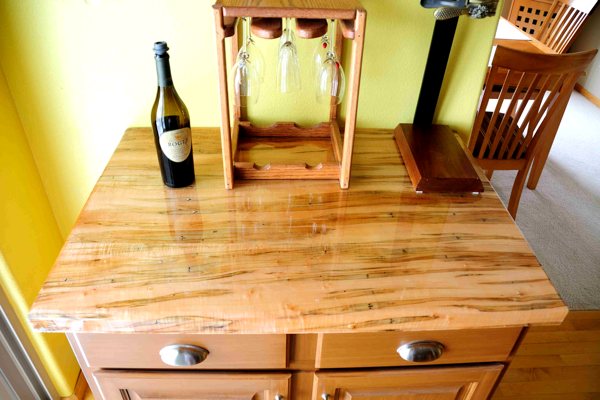
This strength paired with stain resistance makes epoxy the go-to material for high-traffic areas such as table tops, countertops, and bar top surfaces. Unlike varnishes or polyurethanes that degrade and require frequent reapplication, a well-applied epoxy surface retains its pristine look for years with fundamentally basic care.

Essential Tools and Supplies for Epoxy Maintenance
While epoxy is naturally durable, having the right maintenance kit makes it quick and easy to keep the surface looking flawless. These tools and products don’t take up much space, but they can save you from frustration and prevent small issues from turning into costly repairs.
Cleaning Supplies
-
Microfiber cloths: Soft and non-abrasive, perfect for dusting or wiping without scratching.
-
Soft sponges: For gentle cleaning with warm water and mild soap.
-
pH-neutral cleaner: Safe for epoxy’s glossy surface and won’t strip away shine.
Surface Protection
-
Coasters and trivets: Prevents rings, heat marks, and thermal shock on table tops or bar tops.
-
Felt pads or silicone bumpers: Attach to the bottom of décor, appliances, or tools to avoid scuffs.
Minor Repair & Restoration Tools
-
Plastic scraper: Removes dried spills or sticky residue without damaging the finish.
-
Polishing compound: Restores gloss if the surface becomes slightly dulled over time.
-
Fine-grit sandpaper or sanding pads (1000–3000 grit): For buffing out minor scratches before re-polishing.
Long-Term Protection
-
UV-protective cover or shade: For outdoor or window-facing pieces to slow yellowing.
-
Resealing supplies: For rapid repairs, consider keeping a small quantity of UltraClear Bar & Table Top Epoxy on hand for spot repairs or touch-ups.
Keeping these items in a dedicated maintenance drawer or cabinet means you can respond quickly to spills, scratches, or dullness—keeping your epoxy looking like new for years.


Maintaining Epoxy Surfaces
Epoxy is remarkably low-maintenance, but giving it the right care ensures it remains crystal-clear, smooth, and strong for as long as possible. The key is to treat it according to how it’s used and where it’s placed.
Table Tops, Bar Tops, and Countertops
For daily cleaning, use a microfiber cloth or soft sponge with warm water and a mild, pH-neutral soap. This removes dust, spills, and fingerprints without dulling the finish. Avoid harsh chemicals like bleach, ammonia, or acetone—they can damage epoxy’s clarity.
For sticky messes, allow a damp cloth to sit over the area for a minute to loosen residue before wiping. Use coasters for drinks and trivets for hot pans; while UltraClear Bar & Table Top Epoxy can handle moderate heat, direct contact with very hot items can cause thermal shock or leave impressions.
Art or Decorative Pieces
These pieces often have more intricate surfaces, which means cleaning should be gentle. Use a soft microfiber duster for loose dust, and if needed, lightly wipe with a barely damp cloth.
Avoid over-wetting, as water can find its way into seams or unsealed materials. When moving or storing epoxy artwork, wrap it in a soft cloth to prevent scuffs.
Outdoor or Semi-Outdoor Surfaces
Even with high UV resistance, epoxy can slowly yellow or lose gloss if left in constant sunlight. Clean regularly to remove dirt and environmental debris, as grime can accelerate wear.
If possible, store or cover during extreme weather. Applying a UV-resistant polyurethane or clear coat every couple of years will help preserve both clarity and surface integrity.
Heavy-Use Commercial Surfaces
In restaurants, bars, or retail spaces, epoxy surfaces can see more spills, scratches, and temperature fluctuations. Establish a quick-clean routine during business hours to remove sticky spills before they harden.
Do a careful weekly inspection for signs of wear—light scratches can be buffed out, but deeper gouges should be repaired promptly to prevent moisture intrusion.
Extra Care Tips for All Epoxy Surfaces:
-
Always lift, never drag, heavy objects across epoxy to avoid scratches.
-
Use non-slip pads or felt under appliances, décor, or equipment.
-
For stubborn marks, use a plastic scraper rather than anything metal.
-
Re-polish periodically to restore high-gloss brilliance, especially in high-traffic areas.
When cared for this way, epoxy surfaces remain vibrant and protective for many years, with only occasional touch-ups needed.


The Risk of Low-Cost "Budget Brand" Epoxies
Even with expert application, low-quality epoxies—especially imported or budget brands—can compromise durability, clarity, and safety:
Firstly, inconsistent formulation means batches may cure unevenly, yellow prematurely, or fail entirely. You might follow every guideline, only to watch your project degrade within weeks.
Furthermore, safety and health risks are real: low-cost imports may contain additives that don’t meet U.S. standards, potentially releasing harmful VOCs during and after application. And lastly, the long-term performance of these resins is often poor—issues such as stains, scratches, and yellowing appear far sooner.

The UltraClear Advantage
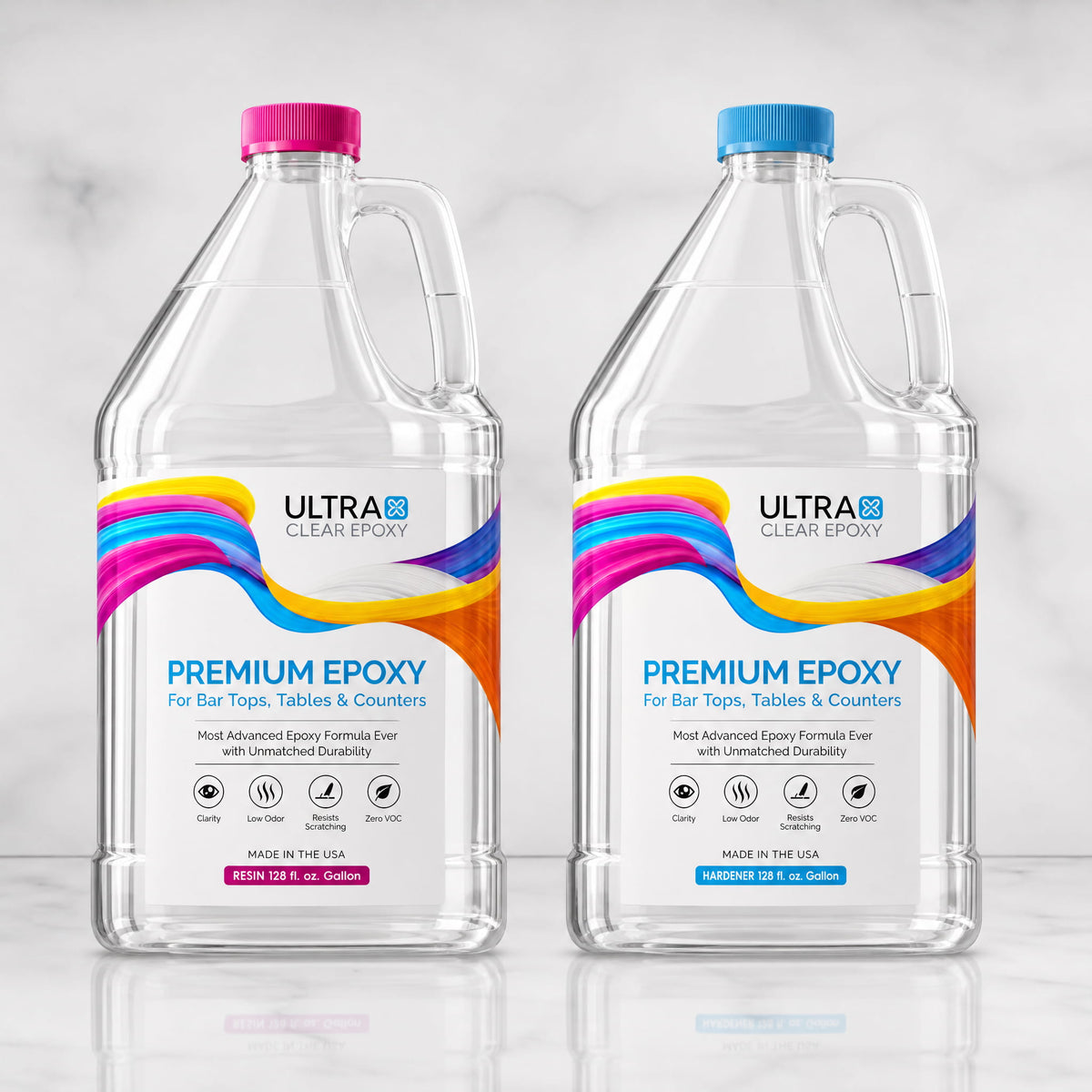
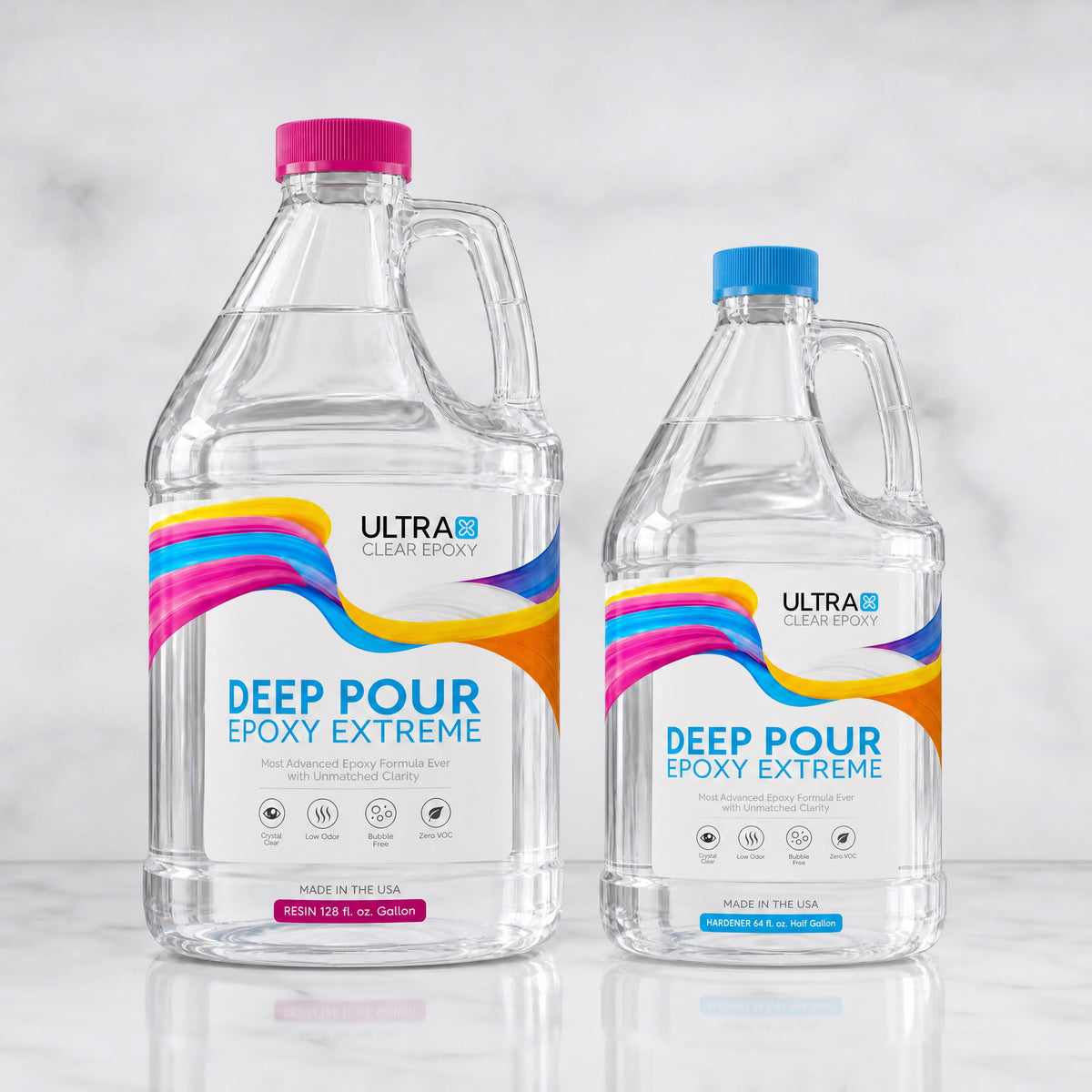
In contrast, using UltraClear Bar & Table Top Epoxy or UltraClear Deep Pour Epoxy ensures consistently strong, clear finishes. Made in the U.S.A. under strict quality standards, they offer easy cleaning, lower maintenance, and peace of mind.

FAQs—Epoxy Care and Maintenance
Can I place hot pans or dishes directly on my epoxy surface?
While high-quality epoxy like UltraClear Bar & Table Top Epoxy is heat-resistant to a degree, it’s not heat-proof. Prolonged or extreme heat can cause softening, warping, or discoloration. Always use trivets, hot pads, or coasters to protect the surface.
How do I remove scratches from my epoxy?
For light scratches, use a polishing compound designed for plastics or resins. Apply with a microfiber cloth or polishing pad in a circular motion.
For deeper scratches, lightly wet-sand with 1000–3000 grit sandpaper before polishing. Always finish with a clean buff to restore the glossy shine.
See our repairs guide for detailed information and techniques.
Is it safe to use chemical cleaners like bleach or ammonia?
No. Harsh chemicals can dull or etch the finish over time. Stick to pH-neutral cleaners or mild dish soap diluted in warm water.
What’s the best way to clean up dried spills?
Use a plastic scraper or an old credit card to gently lift hardened material without scratching. Follow with a soft sponge and mild soap to remove residue.
Can epoxy yellow over time?
All epoxy resins will eventually yellow if exposed to enough UV light, but UltraClear Epoxy products are formulated with advanced UV inhibitors to significantly slow the process.
For outdoor or sun-exposed projects, consider shading the surface or applying a UV-protective urethane top coat.
See more suggestions on handling the outdoors here.
How often should I re-polish or refresh the surface?
In most cases, high-quality epoxy surfaces only need polishing once or twice a year, depending on usage. For high-traffic commercial spaces, quarterly polishing may help maintain peak gloss.
Alternatively, you can renew your epoxy surface with a fresh flood coating whenever it seems warranted.
What if my epoxy gets chipped?
Small chips can be repaired by lightly sanding the damaged area, cleaning it thoroughly, and applying a small amount of fresh UltraClear Bar & Table Top Epoxy as a patch. Once cured, sand and polish to blend it with the surrounding area.
Can I use epoxy surfaces in outdoor settings?
Yes, but they require more protection from direct sunlight and environmental wear. Always choose a UV-resistant product like UltraClear Bar & Table Top Epoxy, and consider adding a removable cover when not in use.

Have Questions? Want Advice? We're Here to Help!
If you have any questions about maintaining epoxy resin, or if you'd like assistance in planning an epoxy project, please reach out to us at UltraClear Epoxy—our epoxy experts are ready to assist!
You can contact us via phone or email here. During business hours, you can also text chat online with one of our resin specialists by clicking the Help button at the bottom of your screen.
In our online store, you'll find a variety of useful tools and supplies, ideal for resin projects, plus our award-winning UltraClear Bar & Table Top Epoxy and our UltraClear Deep Pour Epoxy.
UltraClear Epoxy—Trusted by over 1 Million+ Happy Customers