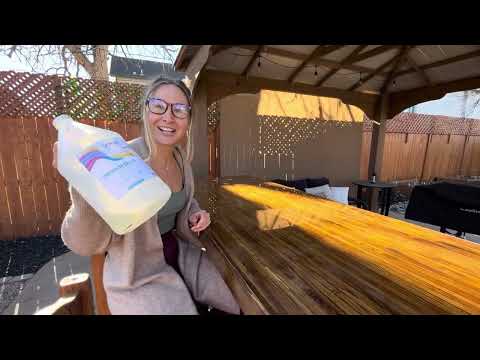
When selecting a finish for a bar top, durability is a major factor. Among the various sealants used, epoxy resin has become a popular choice due to its exceptional physical properties, waterproofing, and chemical resistance.
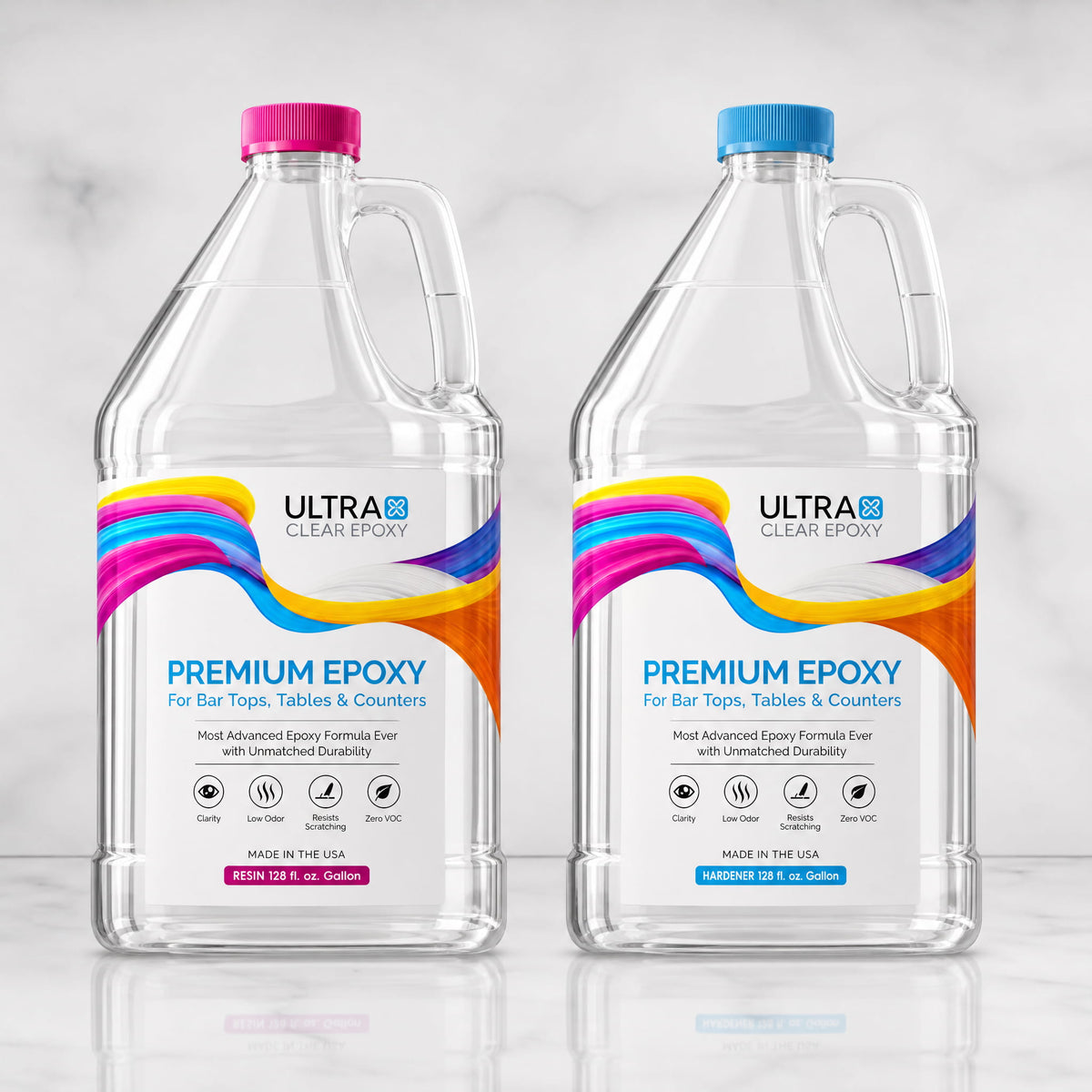
In this article, we compare epoxy bar tops with other traditional finishes by examining the benefits of various application methods, and explaining why high-quality UltraClear Epoxy products are the preferred epoxy option for long-lasting results.

Bar Top Finishes: Strengths and Limitations
Finish #1: Epoxy Resin
Strengths:
-
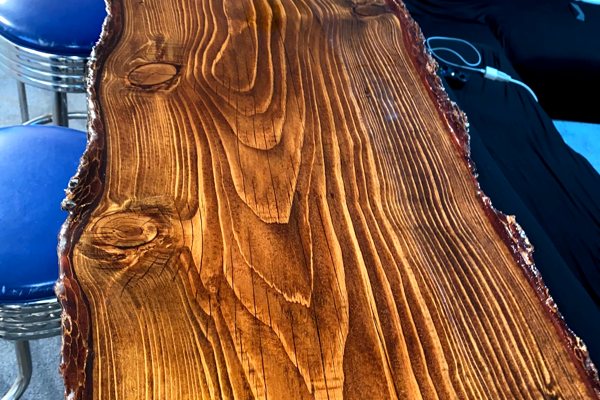
High-Gloss, Uniform Finish: Epoxy cures into a smooth, glass-like surface that accentuates the natural beauty of the underlying material, such as wood.
-
Superior Durability: With excellent resistance to scratches, moisture, and chemical spills, epoxy offers robust protection, making it ideal for high-use surfaces like bar tops.
-
Self-Leveling Properties: The resin flows evenly over a surface, reducing the need for extensive manual smoothing and eliminating brush strokes.
-
Customization: Epoxy can be tinted, layered, and embedded with decorative elements, allowing for highly personalized designs.
Limitations:
-
Application Sensitivity: Proper mixing, accurate measurement, and controlled curing conditions are critical; deviations can result in bubbles or uneven finishes (learn how to avoid that here).
-
Curing Time: Depending on the product, full curing can take several days, which may require planning in fast-paced projects.
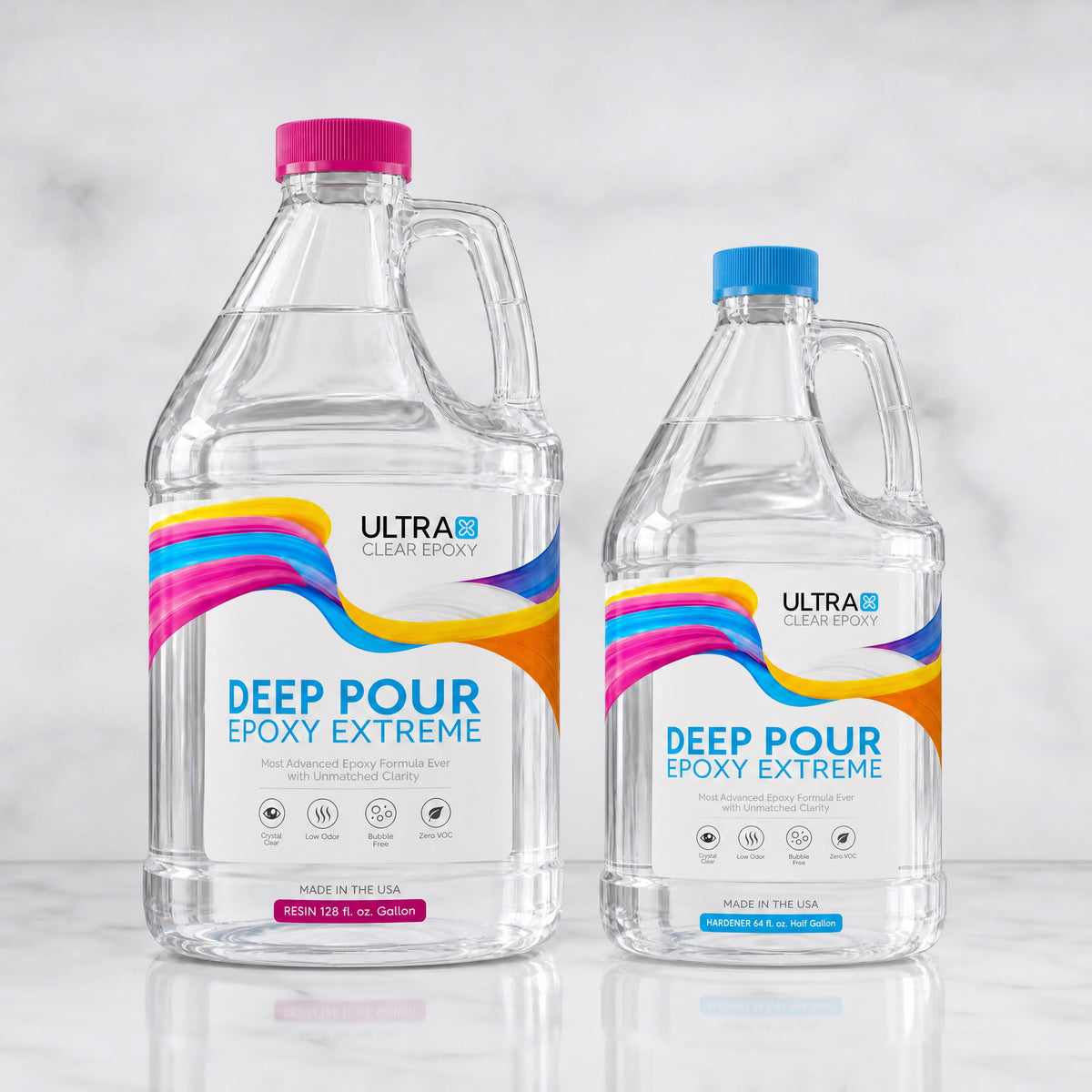
For a high-quality finish, products like UltraClear Bar & Table Top Epoxy and UltraClear Deep Pour Epoxy (for thicker applications) are preferred. These products, 100% made in the USA, offer consistent clarity, reliability, and long-lasting durability that outperforms many budget alternatives.

Finish #2: Hardwax Oil
Strengths:
-
Natural Look: Hardwax oil penetrates wood to enhance its natural grain and texture, creating a matte, organic finish that appeals to those who prefer a less glossy appearance.
-
Easy Application: Generally, hardwax oil is simple to apply with a brush or cloth, making it accessible for DIY projects.
-
Revitalizes Wood: It nourishes the wood, helping to bring out a warm, natural tone.
Limitations:
-
Lower Durability: Hardwax oil does not form a protective barrier like epoxy; it is more susceptible to scratches, spills, and moisture damage.
-
Frequent Reapplication: Over time, hardwax oil may wear off and require periodic maintenance and reapplication.
-
Limited Protection: It provides minimal chemical resistance compared to epoxy, making it less suitable for high-traffic or commercial settings.
Finish #3: Polyurethane
Strengths:
-
Good Protection: Polyurethane creates a clear, protective layer that guards against moisture and light scratches.
-
Versatility: Available in both water-based and oil-based formulations, polyurethane can be tailored to achieve various levels of gloss and color.
-
Ease of Use: It is widely available and familiar to many DIYers and professionals alike.
Limitations:
-
Susceptible to Scratches: Despite its protective properties, polyurethane can be prone to scratches and scuffs under heavy use.
-
Yellowing: Over time, especially with oil-based formulations, polyurethane may yellow, affecting the appearance of the finish.
- Weaker Bond: Polyurethane forms a weaker bond with most materials, potentially leading to delamination, where the hardened coating lifts up from the substrate material.
-
Application Challenges: Multiple coats are often required for optimal protection, which can be labor-intensive and may result in visible brush marks if not applied carefully.
Finish #4: Lacquer
Strengths:
-
Fast Drying: Lacquer dries quickly, allowing for rapid application and fast project turnaround.
-
High Shine: It can produce a very glossy finish, which is desirable for certain aesthetic applications.
-
Smooth Finish: When applied skillfully, lacquer provides a smooth surface that enhances the appearance of the underlying material.
Limitations:
-
Brittle Finish: Lacquer is more prone to chipping and cracking under stress compared to epoxy.
-
Shorter Lifespan: The finish may degrade faster in high-use environments, making it less suitable for busy bar tops.
-
Reapplication: Lacquer may require frequent touch-ups to maintain its glossy appearance.
Finish #5: Varnish and Shellac
Strengths:
-
Traditional Look: Varnish and shellac offer a classic finish that many associate with traditional craftsmanship, particularly on wood surfaces.
-
Ease of Application: These finishes can be applied with a brush and are relatively straightforward to work with.
-
Varied Finishes: They are available in a range of sheens, from matte to high gloss, offering some versatility in appearance.
Limitations:
-
Limited Durability: Varnish and shellac are generally less resistant to moisture, heat, and scratches compared to epoxy.
-
Maintenance: These finishes can require periodic reapplication and touch-ups, especially in high-traffic areas.
-
Inconsistent Protection: They may not form a completely non-porous barrier, leaving the surface vulnerable to spills and stains.


Winner: Epoxy Resin, the Ideal Finish for Bar Tops
When it comes to finishing a bar top, epoxy resin stands out due to its superior durability, waterproofing, and chemical resistance. Compared to traditional finishes such as polyurethane, lacquer, or hardwax oil, epoxy provides a crystal-clear, high-gloss seal that not only enhances the natural beauty of the substrate but also offers long-lasting protection.

Choosing the right epoxy—whether it’s UltraClear Bar & Table Top Epoxy for a thin, protective coating or UltraClear Deep Pour Epoxy for thicker, dimensional designs—is crucial for achieving the best results.
Additionally, for projects demanding a high level of durability and visual clarity, investing in high-quality UltraClear Epoxy products—which are 100% American-made—can provide value beyond the initial valuable, as these products consistently outperform low-cost alternatives, ensuring that your bar top remains robust, beautiful, and functional for years to come.

Frequently Asked Questions (FAQs)
Question #1: What is the ideal thickness for an epoxy bar top?
For standard bar tops, a 1/8-inch layer of UltraClear Bar & Table Top Epoxy is typically recommended. For designs that require additional depth, UltraClear Deep Pour Epoxy can be used for extra thick layers.
Question #2: How does epoxy compare to polyurethane or lacquer in terms of durability?
Epoxy cures to form a harder, more resistant surface that is less prone to scratches, moisture penetration, and chipping. Polyurethane and lacquer may offer good initial aesthetics but can degrade over time under heavy use.
Question #3: Can epoxy bar tops handle chemical spills?
Yes, epoxy’s non-porous and chemical-resistant properties make it ideal for surfaces where spills of oils, acids, or cleaning agents are common.
See our article on chemical resistance for further details.
Question #4: What are the key benefits of choosing UltraClear Epoxy products?
UltraClear Epoxy products, made in the USA, offer superior clarity, consistent curing, and enhanced durability. They resist yellowing and maintain a high-gloss finish over time, outperforming many low-cost alternatives.
Your epoxy choice really matters. Click here to learn why.
Question #5: Is epoxy suitable for both residential and commercial applications?
Yes. Not only is UltraClear Epoxy a beginner friendly option for DIY bar tops, but it's also one of the strongest craft resins available, rating a 98 on the Shore hardness scale and resulting in it being used in many businesses around the country.
The durability, chemical resistance, and ease of maintenance of epoxy make it suitable for both home bar tops and high-traffic commercial surfaces in restaurants and bars.
Question #6: What maintenance does an epoxy bar top require?
Routine cleaning with a damp, soft cloth and mild detergent is usually sufficient. Avoid abrasive cleaners to maintain the integrity of the finish.
For more info, check out our guide to cleaning.

Have Questions? Want Advice? We're Here to Help!
If you have any questions about epoxy as a bar top finish, or if you'd like assistance in planning an epoxy project, please reach out to us at UltraClear Epoxy—our epoxy experts are ready to assist!
You can contact us via phone or email here. During business hours, you can also text chat online with one of our resin specialists by clicking the Help button at the bottom of your screen.
In our online store, you'll find a variety of useful tools and supplies, ideal for resin projects, plus our award-winning UltraClear Bar & Table Top Epoxy and our UltraClear Deep Pour Epoxy.