
Countertops, Bar Tops, and Epoxy’s Role
Countertops and bar tops have always been central design features in kitchens, restaurants, and entertainment spaces. Traditionally, materials like granite, marble, wood, stainless steel, and laminate have dominated the scene. Each of these options has its strengths, but they also come with limitations—susceptibility to stains, high costs, or limited design flexibility.
Epoxy has made waves in recent years by offering a way to enhance these classics and even make unconventional surfaces viable. With its clarity, strength, and adaptability, epoxy doesn’t just protect surfaces—it elevates them. In this article, we’ll look at how epoxy compares to common countertop and bar top materials, how it functions alongside them, and why it’s become a preferred choice for those wanting both durability and custom design.
Contents(Click any link to jump to that section) |
|
Epoxy: An Unmatched Sealant for Countertops Common Countertop and Bar Top Materials The Risks of Low-Cost Epoxy Products |

Epoxy: An Unmatched Sealant for Countertops
Epoxy is a thermosetting polymer created by mixing two liquid components: resin and hardener. When combined, a chemical reaction transforms them into a solid, glass-like material that bonds strongly to the surface it coats.
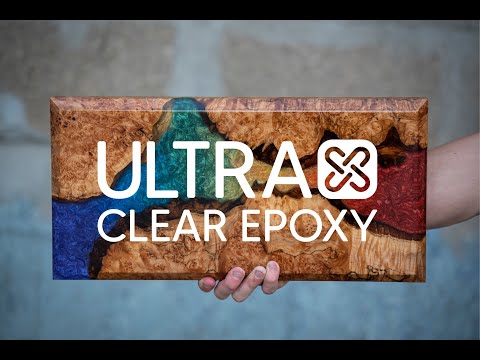
Unlike simple sealants or varnishes, epoxy creates a seamless, waterproof barrier that is resistant to scratching, staining, and everyday wear. It can be poured clear for a sleek modern look, tinted with pigments for artistic finishes, or layered to encapsulate objects.
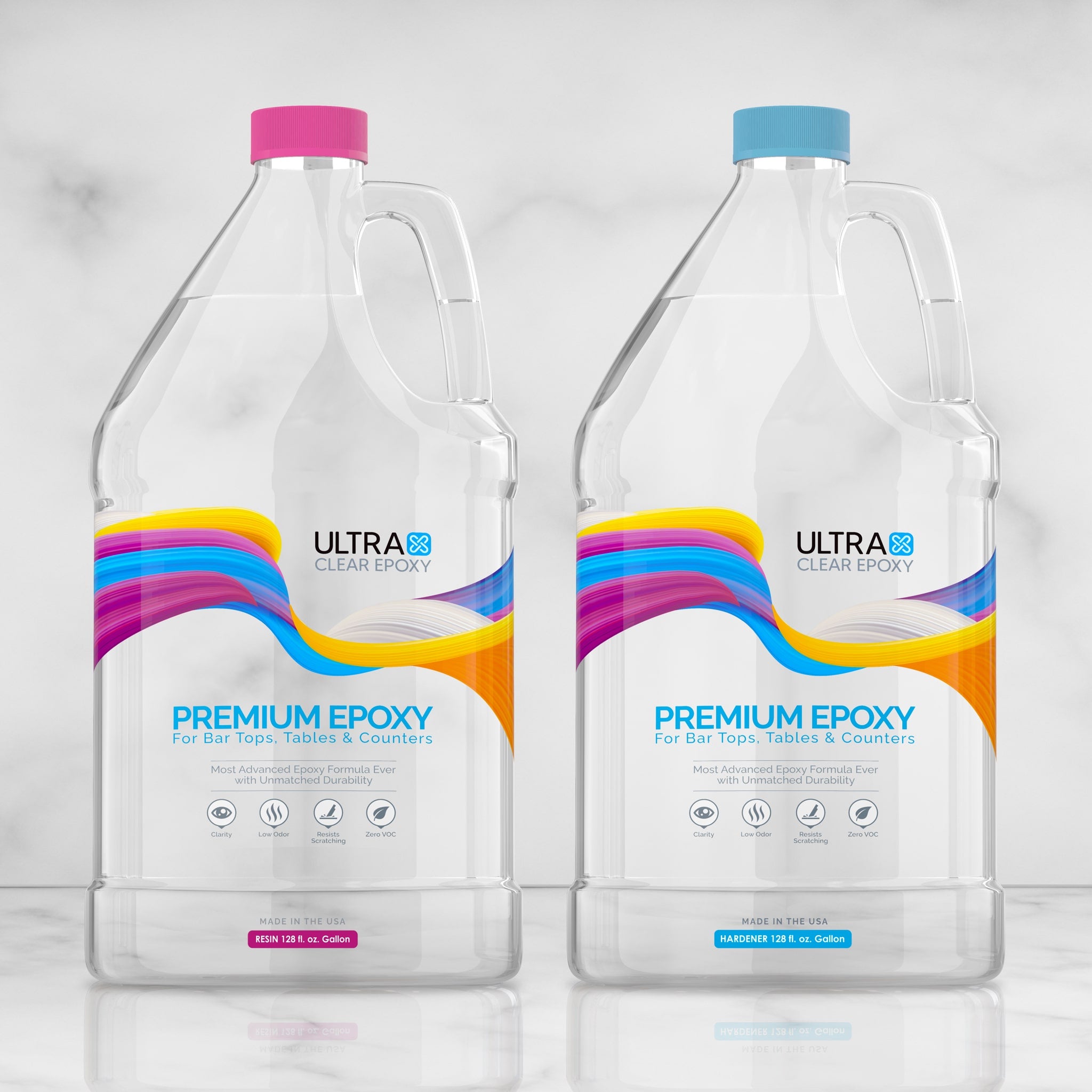
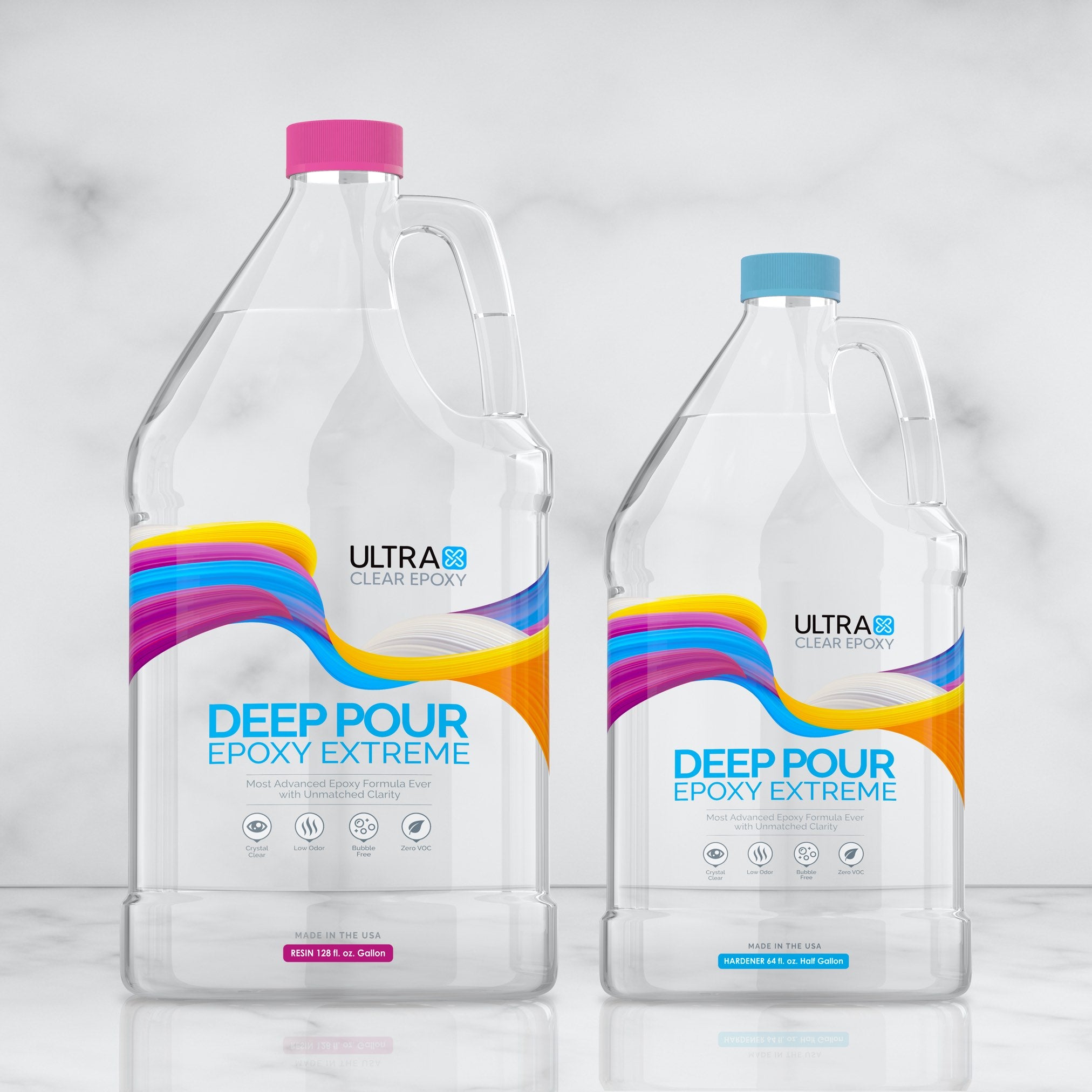
For countertops and bar tops, UltraClear Bar & Table Top Epoxy is the standard. It cures to a rock-solid, crystal-clear surface with exceptional gloss retention, making it both a protective and decorative finish.
Common Countertop and Bar Top Materials
When choosing a countertop or bar top, homeowners and businesses often weigh beauty, practicality, and long-term durability. Each material has its own strengths, weaknesses, and maintenance needs.
Here’s a closer look at the most popular options:

Granite & Marble
Natural stone remains a staple for high-end kitchens and bar tops. Granite is strong, heat-resistant, and available in a wide range of natural patterns, while marble is prized for its elegance and timeless appeal.
However, both are porous and prone to staining or etching if not sealed regularly. Acidic foods, wine, or citrus juice can leave permanent marks on unprotected stone. While durable, they require ongoing maintenance to preserve their beauty.

Quartz
An engineered stone made from crushed quartz and resin, quartz offers durability and low porosity without the need for regular sealing. It’s resistant to scratches and staining, making it one of the most reliable premium options.
However, quartz lacks the customization potential of epoxy—it comes in predetermined patterns and colors, limiting creative design freedom.

Wood (Often Butcher Block or Live Edge)
Wood countertops add warmth and character, particularly in rustic, farmhouse, or artisanal settings. But without protection, wood is highly vulnerable to water damage, stains, and scratches.
For example, butcher block requires regular oiling to keep it sealed, while live-edge slabs often need an additional protective coat to prevent moisture intrusion. Epoxy is commonly paired with wood to solve these issues and showcase the natural grain while locking out damage.

Laminate
For decades, laminate was the go-to option for budget-conscious projects. It’s inexpensive and available in countless designs, from faux wood to stone-like finishes.
Unfortunately, laminate is vulnerable to heat, scratches, and water infiltration at the seams. Once damaged, it cannot be easily repaired. Laminate is best suited for temporary or low-traffic surfaces.

Concrete
Modern and industrial, concrete countertops are gaining popularity in both homes and commercial spaces. They can be cast into custom shapes and tinted for unique looks.
However, raw concrete is extremely porous and prone to staining. Even with most sealers or wax, it still requires careful maintenance to prevent absorption of spills and to maintain a polished finish.

Metal (Stainless Steel, Zinc, Copper)
Metal countertops are common in professional kitchens for their durability and heat resistance. Stainless steel is hygienic and easy to clean, but shows scratches and fingerprints easily. Copper and zinc develop a natural patina over time, which some find appealing, but others see as a drawback.
Furthermore, without a good protective coating, they are susceptible to tarnish and etching.

Comparing Epoxy to Other Surface Options
When weighing epoxy against traditional countertop and bar top materials, it’s important to recognize that each option has its own strengths.
Granite and marble are classic choices, wood brings natural warmth, quartz and engineered stone offer reliability, and metal or concrete provide modern appeal.
Epoxy, however, introduces a distinctive balance of resilience, creativity, and protection that often makes it the more practical and versatile choice.
Below, we’ll look at how epoxy compares directly to other popular options:
Epoxy vs. Granite
-
Granite: Durable and attractive, but requires regular sealing to resist stains. Heavy and expensive to install.
-
Epoxy: Lightweight, seamless, and highly stain-resistant without sealing. Can mimic granite’s appearance or create a completely custom design.
Epoxy vs. Marble
-
Marble: Known for luxury and natural veining, but scratches easily and etches when exposed to acids like lemon juice.
-
Epoxy: Replicates marble’s aesthetic without fragility. Resists scratching and staining, making it better suited to kitchens and bars.
Epoxy vs. Wood
-
Wood: Warm and natural, but highly vulnerable to water damage, stains, and warping if left unprotected.
-
Epoxy: With UltraClear Bar & Table Top Epoxy, wood is fully sealed against moisture, preserving its natural character while strengthening its surface.
Epoxy vs. Concrete
-
Concrete: Modern and stylish, but porous—requiring frequent sealing to prevent cracking and staining.
-
Epoxy: Nonporous and resistant to stains, with finishes available that mimic polished concrete without the upkeep.
Epoxy vs. Metal
-
Metal (stainless steel, zinc, etc.): Strong and sleek, but scratches, fingerprints, and tarnishing are common issues.
-
Epoxy: Scratch-resistant and easy to clean. It can also be tinted or textured to complement surrounding metal accents without their maintenance challenges. It's also much easier to remove signs of damage when they appear.
Epoxy vs. Quartz
-
Quartz: Low-maintenance and reliable, but comes only in pre-manufactured color and pattern options.
-
Epoxy: Equally durable, but highly customizable—able to emulate natural stone or showcase bold, artistic designs.
By combining durability with flexibility, epoxy doesn’t just compete with traditional materials—it enhances them. It can stand on its own as the centerpiece of a countertop or be used to complement another surface by adding depth, strength, and a finish that elevates the overall design.

How Epoxy Complements Other Materials
Epoxy isn’t just a stand-alone surface solution—it can enhance, protect, and elevate many other materials. In some cases, epoxy turns a material that would normally be too fragile, porous, or irregular into a fully functional countertop or bar top. In other cases, it takes a durable surface and adds an extra layer of shine, depth, or customization that would be impossible otherwise.
Wood
Natural wood countertops and bar tops are admired for their warmth and character, but they’re also vulnerable to moisture damage, staining, and scratches.
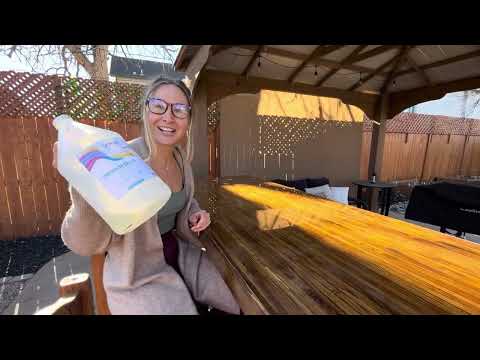
A layer of UltraClear Bar & Table Top Epoxy seals the wood completely, locking in its natural grain while adding a smooth, glasslike surface. For live edge or reclaimed wood, epoxy can also fill gaps, cracks, or voids, making irregular pieces usable without sacrificing their rustic appeal.
Stone
Even durable stones like granite and marble benefit from epoxy finishing. While these materials are typically sealed with penetrating sealants, those coatings wear off and require maintenance.
With epoxy, the surface becomes permanently sealed, resistant to stains, and easier to clean. Epoxy can also be tinted or patterned to highlight the natural veining in stone, giving it extra depth and vibrancy.
Concrete
Concrete countertops are stylish and modern, but they’re inherently porous and prone to cracking.
Epoxy transforms them into sleek, stain-proof surfaces that don’t require constant resealing. This combination keeps the industrial charm of concrete while adding the clarity and durability of epoxy.
Metal
Stainless steel and zinc bar tops are sleek but prone to scratching, fingerprints, and dullness.
An epoxy coating reduces those weaknesses, creating a more forgiving surface while retaining the metallic shine. For designers looking to experiment, epoxy can also incorporate metallic powders that complement or contrast with the underlying surface.
Unconventional Materials
Epoxy also makes it possible to use materials that normally wouldn’t function as countertops or bar tops at all.
For example, pennies, bottle caps, photographs, maps, or even fabric can be embedded beneath epoxy to create a highly durable, custom design. In these cases, epoxy doesn’t just complement the material—it makes it viable as a working surface.
By serving as both a protector and an enhancer, epoxy bridges the gap between function and design. It allows traditional materials to last longer and look better, while giving unconventional ideas a practical path to becoming fully functional countertops or bar tops.

The Risks of Low-Cost Epoxy Products
While epoxy’s benefits are impressive, not all resins are created equal. Low-cost, budget-brand epoxies—often imported from overseas—bring significant drawbacks.
First, quality control is inconsistent. Cheaper formulations may cure with yellowish tints, produce cloudy finishes, or fail to fully harden, leaving surfaces tacky and weak. Even if applied correctly, the result can be a compromised finish.
Second, durability suffers. Budget epoxies are more likely to crack, scratch, or yellow prematurely, especially under UV exposure. That means more maintenance, more repairs, and ultimately, higher costs in the long run.
Third, there are health and safety concerns. Some imported epoxies use fillers or chemical blends that may not meet U.S. safety standards, potentially releasing harmful fumes during mixing and curing.

UltraClear Epoxy: Professional-Grade Resin for Long-Lasting Results
With all those concerns about budget-brand epoxies, it's easy to see why many professionals and serious DIYers turn to UltraClear Bar & Table Top Epoxy.
Manufactured in the USA under strict quality controls, our resin delivers a consistently strong, crystal-clear finish that resists yellowing, cleans easily, and requires little maintenance.
With UltraClear, you get peace of mind knowing that your investment in your countertop or bar top will last for years without compromise.

FAQs—Epoxy and Countertop Materials
Can epoxy be applied directly over existing countertops?
Yes, epoxy can usually be applied over many existing countertop materials, including laminate, wood, stone, or concrete, as long as the surface is properly prepared. The key is to ensure the substrate is clean, dry, and free of oils, waxes, or loose particles.
For glossy or sealed surfaces, sanding is essential to create a strong mechanical bond. With proper prep, applying UltraClear Bar & Table Top Epoxy is often more cost-effective than tearing out and replacing old countertops.
How does epoxy hold up against heat compared to stone surfaces?
While epoxy is highly durable, it isn’t as heat-resistant as natural stone like granite. Prolonged exposure to high heat or direct contact with hot cookware can leave marks or soften the finish. For daily use, always place hot pots and pans on trivets or heat pads.
That said, epoxy offers better protection against stains, scratches, and moisture than many untreated stones, making it a strong all-around performer for kitchens and bars.
Will epoxy change the look of the material underneath it?
Yes, but usually in a desirable way. Epoxy has a natural clarity that enhances the appearance of the surface below, deepening colors and adding a glossy, glasslike finish.
For porous or matte materials like wood and concrete, epoxy brings out richness and detail that would otherwise be muted.
For stone, epoxy can amplify veining and natural movement. If a softer sheen is preferred, the surface can be finished with a matte polish after curing.
How long does an epoxy-coated countertop last?
With proper care, an epoxy-coated countertop can last decades without losing clarity or strength. Maintenance is minimal—regular cleaning with mild soap and water is usually sufficient.
Unlike many sealants that need reapplication every year or two, epoxy creates a permanent seal. The longevity of your surface also depends on the quality of the resin—premium formulations like UltraClear are engineered to resist yellowing and wear much longer than lower-grade brands.
Furthermore, if an epoxy surface starts to lose its luster, you can renew it simply by applying a new coat.
Can epoxy be used outdoors on bar tops or tables?
Epoxy can be used outdoors, but it requires consideration of UV exposure and temperature swings. Direct sunlight over time may cause some resins to yellow or lose clarity if they lack strong UV inhibitors.
UltraClear Bar & Table Top Epoxy is made with UV resistance in mind, but for permanent outdoor fixtures, adding an additional protective coating (like a UV-stable topcoat) will maximize longevity. Covered outdoor spaces, such as patios or shaded bars, are ideal.
Is epoxy safe for food preparation surfaces?
Yes, once fully cured, UltraClear Epoxy is food-safe. This makes it excellent for bar tops, kitchen counters, and dining tables.
However, cutting directly on epoxy isn’t recommended—it can leave scratches. Always use cutting boards to preserve the clarity of the finish.
Can epoxy fix or refresh an older countertop surface?
Absolutely. Epoxy is often used as a resurfacing solution for countertops that have become dull, stained, or outdated. By applying a fresh layer, you can transform the look of the surface without replacing the entire counter.
Many homeowners take advantage of this to modernize older laminate or wood surfaces with minimal effort and cost.

Have Questions? Want Advice? We're Here to Help!
If you have any questions about using epoxy resin on any material, or if you'd like assistance in planning an epoxy project, please reach out to us at UltraClear Epoxy—our epoxy experts are ready to assist!
You can contact us via phone or email here. During business hours, you can also text chat online with one of our resin specialists by clicking the Help button at the bottom of your screen.
In our online store, you'll find a variety of useful tools and supplies, ideal for resin projects, plus our award-winning UltraClear Bar & Table Top Epoxy and our UltraClear Deep Pour Epoxy.
UltraClear Epoxy—Trusted by over 1 Million+ Happy Customers