Why the Curing Phase Matters So Much
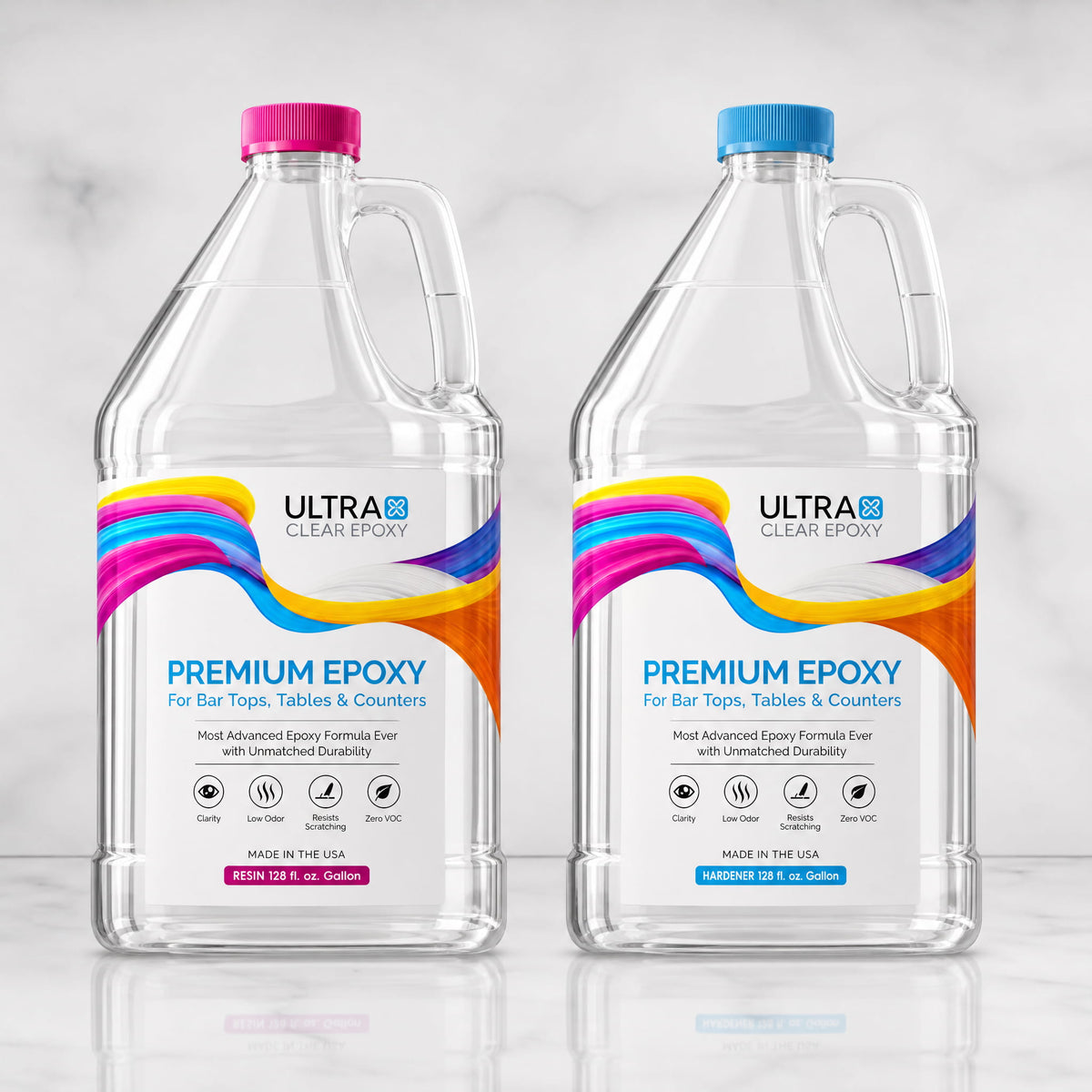
Once you've poured your epoxy, the temptation is to walk away and let time do the rest. But while curing may seem hands-off, it’s one of the most critical phases of your entire project. Whether you're coating a wood surface with UltraClear Bar & Table Top Epoxy, embedding objects in UltraClear Deep Pour Epoxy, or working on custom art with UltraClear Art & Craft Epoxy, the curing environment determines the final quality, clarity, and durability of your finish.
This guide will walk you through each aspect of the curing, including:
- Planning for the curing phase.
- Maintaining ideal conditions throughout the process.
- How to troubleshoot any problems that arise
- And understanding what comes next.
By taking curing seriously, you can avoid hazing, soft spots, dimples, bubbles, and other common issues that are often irreversible once set.


Project Phases and the Role of Curing
Most epoxy projects can be broken down into several phases:
-
Planning and Surface Prep—Choosing your epoxy, preparing your materials, and setting up your workspace.
-
Mixing and Application—Carefully combining resin and hardener, then applying the mixture to your project.
-
Curing Phase—Allowing the epoxy to solidify under controlled conditions.
-
Post-Cure Finishing—Sanding, polishing, or recoating if needed.
-
Ongoing Maintenance—Keeping your epoxy surface clean and damage-free.
The curing phase serves a critical purpose: transforming your liquid epoxy into a durable, solid surface. It’s when the chemical reaction between resin and hardener completes, locking in your design and giving your surface its strength and clarity.

Planning Ahead for a Flawless Cure
Good results begin before you pour. Planning for the curing stage involves:
-
Choosing the Right Environment: Ensure your space is clean, dry, and dust-free. Maintain a stable temperature between 70°F and 80°F.
Learn more about preparing your workspace here. -
Controlling Humidity: Ambient moisture can be a concern in some situations, and high humidity (over 60%) levels can cause cloudiness, blushing, and surface tackiness. You can use a dehumidifier to lower the humidity of your epoxy workspace while it cures.
-
Protecting the Surface: Shield your workspace from dust, falling debris, or bugs with a makeshift tent or dust cover. Ensure there's no airflow that might carry contaminants across the surface.
-
Leveling Your Work Area: Epoxy is self-leveling, so if your surface isn’t perfectly flat, your pour may not be either.
A little foresight goes a long way. Projects that fail during curing almost always stem from poor environmental control or rushed setup.


Navigating the Curing Phase: Key Variables to Watch
Once the epoxy is poured, it enters its curing stage—a time-sensitive period where conditions must remain stable.
Here are key variables to monitor (always check your manufacturer instructions if unsure):
Protect Your Epoxy Surface
As epoxy cures, it becomes vulnerable to airborne contaminants. Use a temporary cover such as a dust tent, box, or plastic sheet suspended over the surface (without touching it) to guard against dust, insects, or falling particles that can become permanently embedded in the finish.

Monitor Ambient Temperature
Maintain a consistent temperature between 70°F and 80°F—ideally 75°F—as this is optimal for most epoxy formulations.
Fluctuations outside this range can slow curing, cause blush, or result in soft or uneven areas. If necessary, use a climate control system to keep the room within this range, but avoid exposing the epoxy to direct heat sources, which may distort the finish. You can also construct a temporary enclosure and use space heaters to regulate the temperature of the space around the epoxy.
Avoid Touching the Uncured Resin
Even a slight touch during the curing process can leave fingerprints, divots, or texture changes that are difficult to fix later. To prevent accidental contact, mark off the curing area clearly, and avoid moving the project until it's fully hardened.
Curing typically takes about 72 hours to reach a functional hardness in ideal conditions, though curing will continue internally for several more days or weeks.

Control the Airflow
Light ventilation is beneficial for air quality, but strong drafts or fan currents can be problematic. Rapid air movement can cool certain areas too quickly, leading to an uneven cure, and may also blow dust or debris into the epoxy surface.
If using fans or air filters, keep them directed away from the project area.

Curing Timeline: What Happens and When
Here’s what you can expect during each major milestone of the curing process under proper conditions:
-
0 to 1 Hour After Pouring: Most air bubbles rise and pop. Use a heat gun or torch to eliminate surface bubbles.
-
1 to 4 Hours: Epoxy begins gelling. It should not be disturbed. Adding objects or applying additional epoxy during this window can cause layer separation.
-
4 to 10 Hours: Surface will become tacky to the touch. This is an opportunity to apply embedments if needed. During this window of time, you can also apply an additional layer of epoxy without sanding first.
-
10 to 24 Hours: Partial cure state.
-
For Bar & Table Top Epoxy or Art & Craft Epoxy, you'll need to do a gentle sanding before applying additional layers.
-
For Deep Pour Epoxy, you can apply another coat at this stage using the same epoxy without sanding, as the bond is still chemical.
-
-
24 to 48 Hours: The epoxy has become firm but is not fully cured. If you need to apply additional epoxy layers still, you should first sand lightly to ensure a good mechanical bond for the new coat, then clean the surface before applying it.
-
72 Hours: The surface should now be fully cured for normal use. It can handle light traffic, gentle cleaning, and light loads.
-
2 to 3 Weeks: Epoxy reaches full hardness and heat resistance. While usable after 72 hours, it continues to harden and stabilize for several weeks, eventually reaching maximum durability.
Understanding these intervals allows you to plan layers, embedments, or finishing work without compromising results.


Why Budget Epoxies Often Fail the Cure
While budget epoxy products might seem appealing due to their lower price, they carry substantial hidden risks that often show up during curing:
Inconsistent Quality and Formulation
Imported and off-brand epoxies frequently suffer from poor manufacturing standards. With inconsistent resin-to-hardener ratios and impure ingredients, these resins may never fully cure or may develop soft spots and hazing no matter how well you follow instructions. Some users report batches that differ wildly in consistency from one purchase to the next.
Safety Concerns and Chemical Hazards
Many low-cost epoxies are not manufactured under strict safety regulations. They may emit stronger, more dangerous fumes or contain harmful additives that can cause irritation, allergic reactions, or long-term health effects with regular exposure. Some lack basic certification or documentation.
Higher Risk of Surface Failure
Curing problems with cheap epoxies often lead to surface defects such as cloudiness, air bubbles that won’t rise, fisheyes, or a rubbery feel that never fully hardens. These issues are hard to fix and can ruin an entire project, forcing costly do-overs.

Choosing UltraClear: For a Stronger, Longer-Lasting Finish
Unlike budget-brand epoxies, UltraClear Epoxy products are engineered for professional-level results. Made in the U.S.A. under strict quality control, each batch is thoroughly tested for consistency, safety, and performance until it meets our high standards.
-
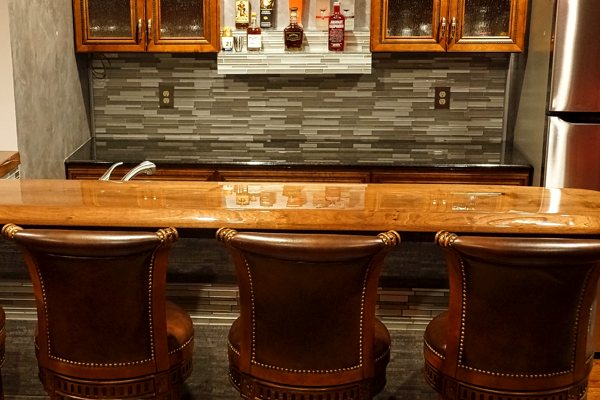
UltraClear Bar & Table Top Epoxy provides a rock-hard, high-gloss finish that cures crystal-clear and resists yellowing.
-
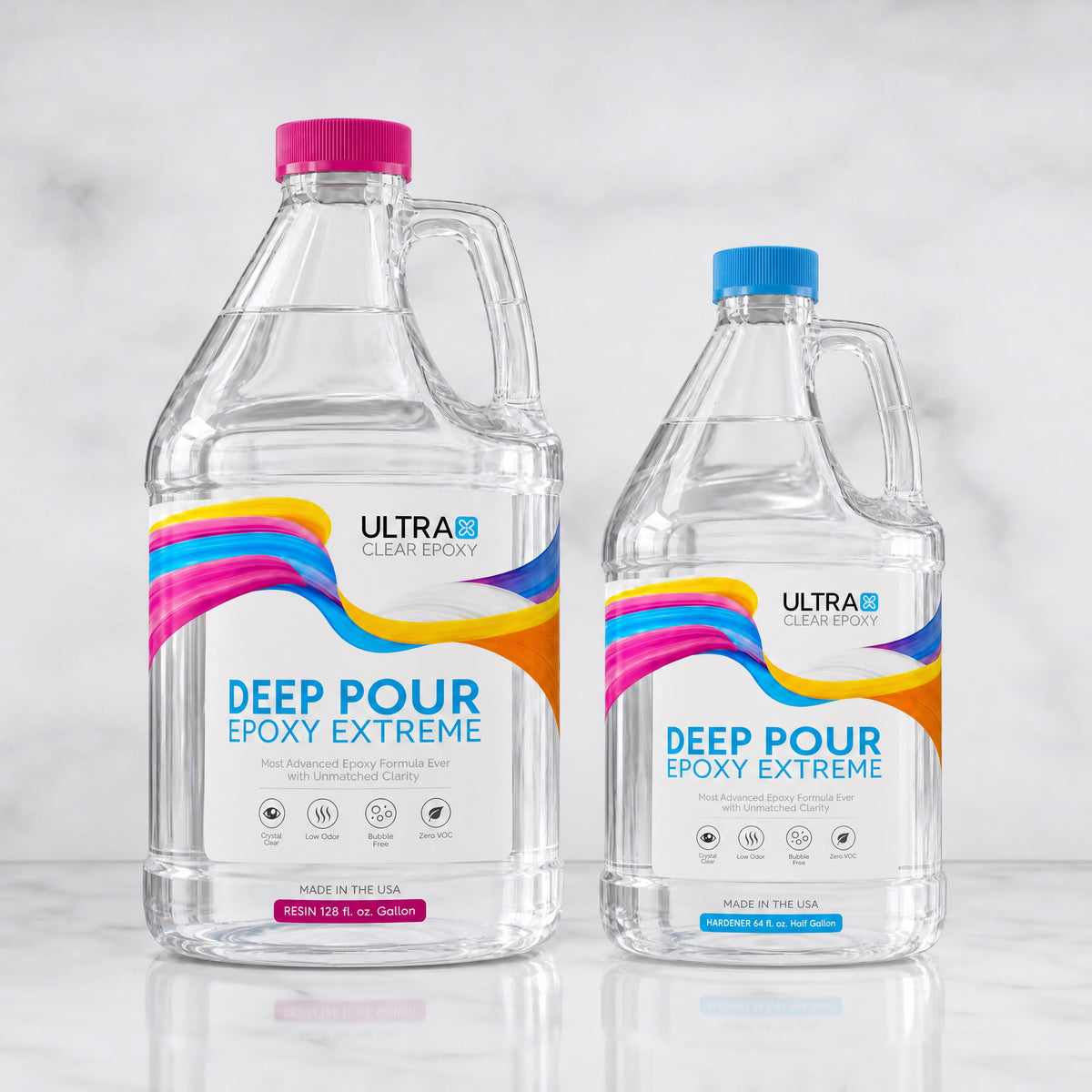
UltraClear Deep Pour Epoxy is designed for thick applications, minimizing bubble entrapment and curing evenly throughout.
-
UltraClear Art & Craft Epoxy offers fast-setting clarity and UV protection for detailed artistic projects.
Because UltraClear emphasizes adherence to a strict formulation, you can expect consistent curing, fewer issues, and peace of mind knowing your epoxy will harden exactly as intended. The result is a cleanable, durable, and long-lasting surface that enhances the quality of your work.

FAQs: Epoxy Curing Questions
How long does epoxy take to fully cure?
Most UltraClear Epoxy products cure to a usable state in 72 hours but continue to harden and gain strength over 2–3 weeks.
This applies to includes our:
Deep pour epoxies can take longer to cure in extra thick layers, so it's good for those situations to give them extra time (as much as 7 days total can help ensure adequate curing) before use.
Can I speed up the curing process?
Rushing the cure by adding heat can cause defects to form. We recommend not interfering with the normal process, as it is better to control your environment and let the resin cure naturally.
With that said, some users still prefer to take the risk to slightly hasten the curing rate. This can be done by increasing the ambient temperature (within safe limits, up to about 85°F), and is often achieved by constructing a temporary enclosure for the epoxy and using space heaters to elevate the temperature within.
However, you should never use direct heat sources like space heaters or heat guns on the epoxy itself after the working time has ended. Doing so can result in a warped surface or damage the resin. Patience is key for a pristine cure.
When can I add another layer of epoxy?
Yes, but how you do so depends on how long the previous layer has been curing.
Layering epoxy prior to curing is time sensitive but easier to accomplish. Simply apply a new coat about 4 to 6 hours (and no more than 10 hours) after the previous one.
If more than 10 hours have passed, you should lightly sand the surface with 220-grit sandpaper and wipe it clean with isopropyl alcohol before recoating to ensure proper adhesion.
Learn more about layering epoxy here.
My surface is tacky after 24 hours. What went wrong?
If the surface is tacky, it's probably the your ambient temperature was too low for optimal curing or your epoxy was blended with the wrong ratio of resin to hardener.
To resolve this issue, raise the ambient temperature to 75°F and maintain it for additional time curing time; if it still doesn't cure, you'll need to remove the epoxy reapply.
See our guides to mixing and pouring here for detailed advice on those steps.
- 5 common slip-ups to avoid when mixing epoxy resin
- The 5 most common mistakes when pouring epoxy resin
Is it okay to move my piece before 72 hours?
It's possible, but we strongly recommend against it. Movement can shift the uncured epoxy, create waves or pooling, or even trap bubbles that haven't surfaced yet.
Avoid disrupting the epoxy while it cures to ensure a clean, transparent cure.
What happens if my epoxy cures in a cold room?
Cold temperatures can cause epoxy to cure more slowly and may result in a cloudy or uneven finish. In some cases, it may never fully cure.
If your space was too cold during your curing attempt, raise the temperature to 75° and wait an additional 24–48 hours before evaluating the surface again.
How do I know when epoxy is fully cured?
A fully cured epoxy surface will feel hard to the touch, not tacky or soft. It can be lightly sanded without gumming up the sandpaper.
For UltraClear Bar & Table Top Epoxy, as well as other UltraClear resin products, this typically takes 72 hours in ideal conditions, but full surface strength is reached after 5–7 days, and the epoxy may internally continue hardening even further for a few weeks until it reaches peak resilience.

Have Questions? Want Advice? We're Here to Help!
If you have any questions about curing or epoxy resin in general, or if you'd like assistance in planning an epoxy project, please reach out to us at UltraClear Epoxy—our epoxy experts are ready to assist!
You can contact us via phone or email here. During business hours, you can also text chat online with one of our resin specialists by clicking the Help button at the bottom of your screen.
In our online store, you'll find a variety of useful tools and supplies, ideal for resin projects, plus our award-winning UltraClear Bar & Table Top Epoxy and our UltraClear Deep Pour Epoxy.
UltraClear Epoxy—Trusted by over 1 Million+ Happy Customers