Craft epoxy is available in several types; each type features unique benefits that allow it to excel in different ways. You're probably familiar with—or at least aware of—the most common epoxy type, table top epoxy, which gets regularly used to finish conventional bar tops and table tops.
However, there's another type that serves a more specialized role called deep pour epoxy. This epoxy type is chiefly used to produce extra-thick epoxy layers without the drawbacks of other epoxies that normally occur when they're poured too thickly.
In this guide, we explain what deep pour epoxy is, compare it with other craft epoxies like table top and art epoxy, and provides practical insights, project ideas, and safety recommendations. We also highlight why high-quality products such as UltraClear Epoxy—manufactured in the USA—are the best choice for long-lasting, clear creations.

What Is Deep Pour Epoxy?
Deep pour epoxy is a type of epoxy resin formulated to be poured in thick layers—often several inches deep—without generating excessive heat during the curing process.
Unlike standard epoxy products, which are best used for thin, sturdy coatings, deep pour epoxy is engineered for projects where volume and depth are required. It's ideal for creating sculptural elements, filling large molds, or producing river tables with substantial resin “rivers” that add visual and tactile depth.
Comparing Deep Pour Epoxy with Other Craft Epoxies
Epoxy resin products vary based on their intended applications. Here’s how deep pour epoxy compares to table top and art epoxies:

Deep Pour Epoxy:
- Usage: Designed for thick pours and large applications.
- Functionality: Its formulation allows for a controlled exothermic reaction, which means it cures properly even in thick layers.
- Strength: Less durable than table top epoxy, though it still provides a robust surface suitable for furniture components and deep artistic layers.
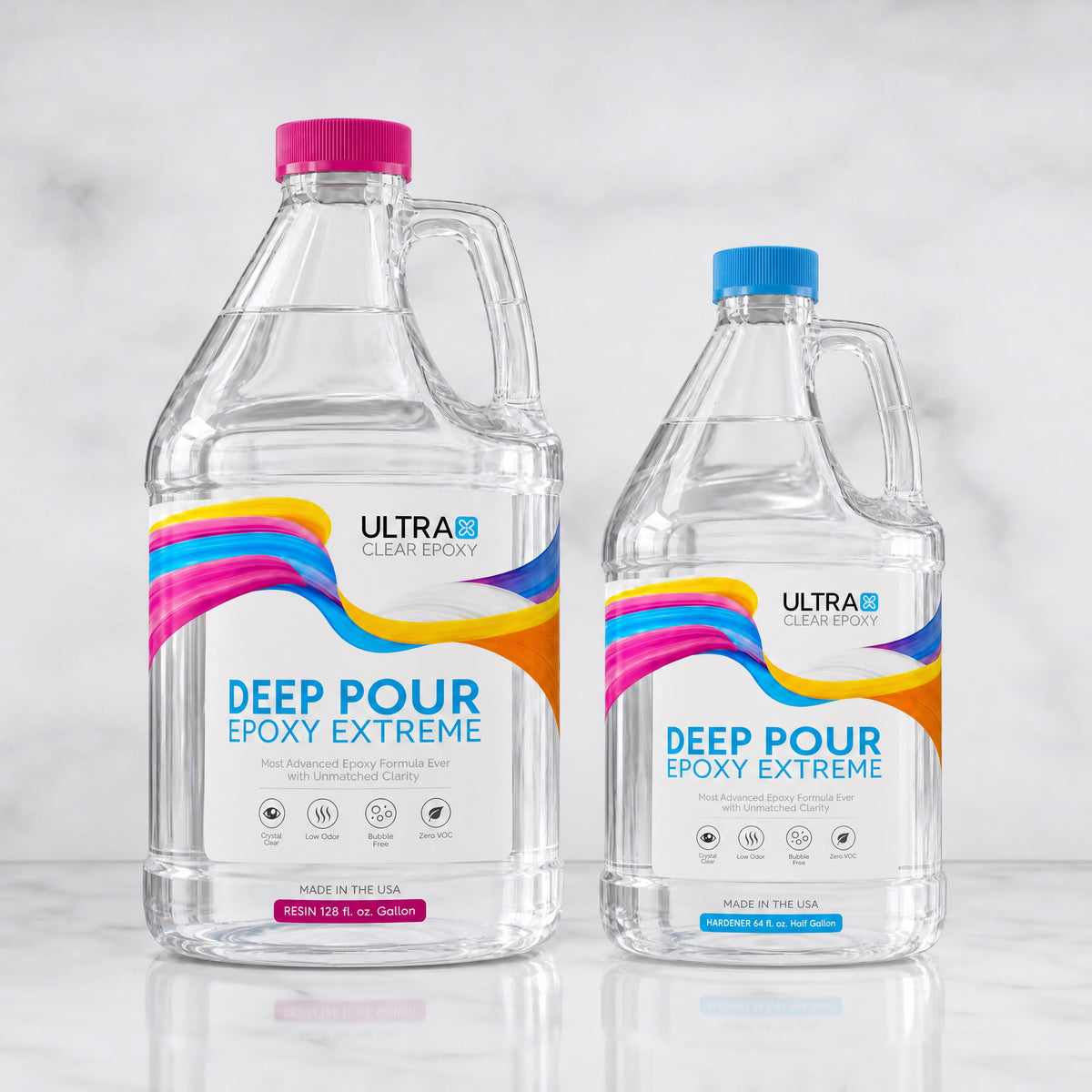
- Recommended Product: UltraClear Deep Pour Epoxy is ideal for these applications, ensuring even curing and exceptional clarity in thick layers.

Table Top Epoxy:
- Usage: Best suited for coating surfaces such as table tops, countertops, or other flat, decorative surfaces.
- Functionality: Self-leveling properties help create a smooth, high-gloss finish.
- Strength: Powerfully strong even in the thin layers it's intended for. This is the best for durability and clarity among epoxy types.
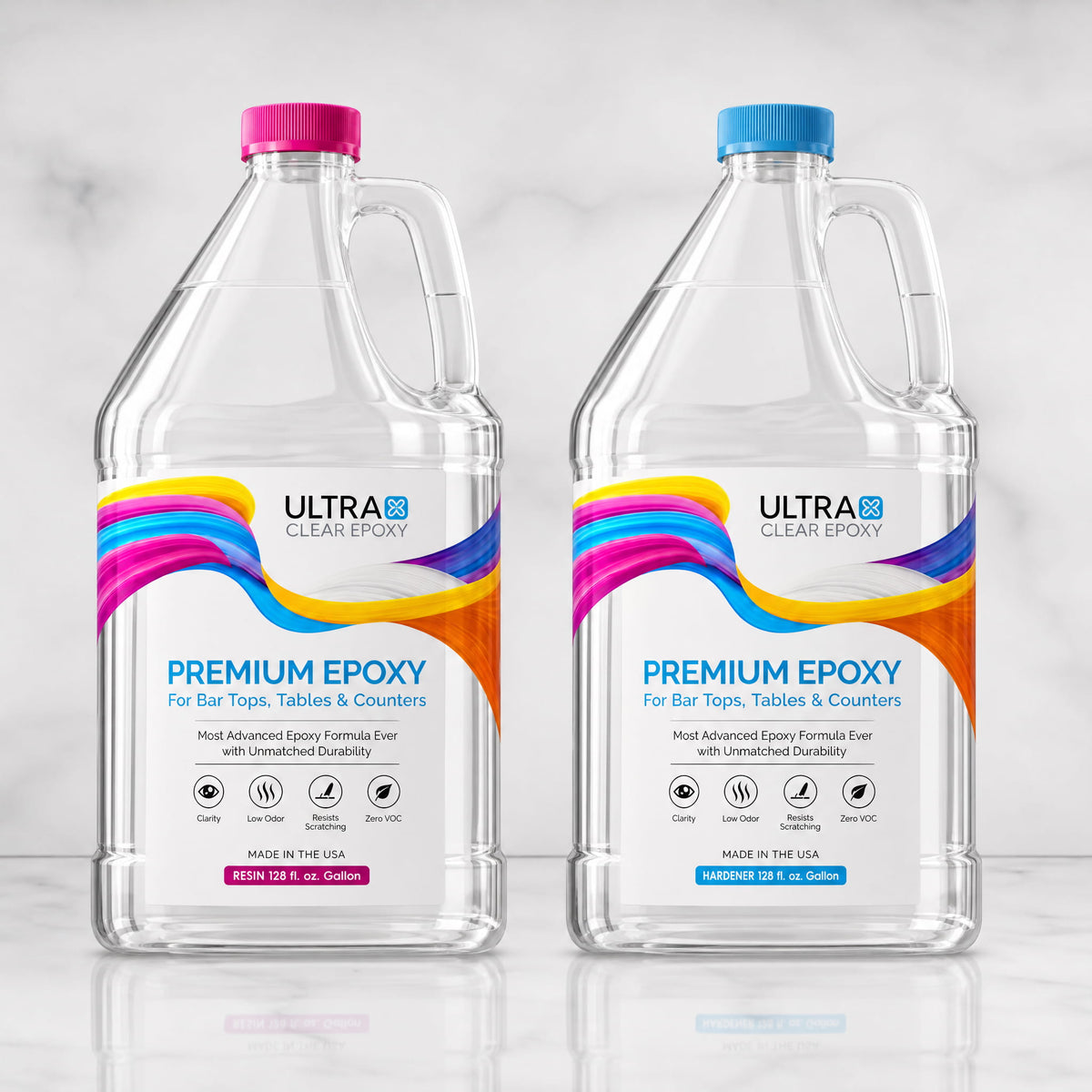
- Recommended Product: UltraClear Bar & Table Top Epoxy is designed to provide a flawless, protective finish on surfaces where precision is key.

Art Epoxy:
- Usage: Tailored for smaller-scale artistic projects like jewelry, resin art, or decorative panels.
- Functionality: Allows for detailed work and fine adjustments in color and texture.
- Strength: Offers sufficient durability for non-art pieces but is optimized for creative expression rather than heavy-duty applications. It's less viscous but also slightly less durable than table top epoxy.
- Recommended Product: UltraClear Art & Craft Epoxy is perfect for intricate designs and detailed craft projects.

Is Deep Pour Epoxy Difficult to Use?
Deep pour epoxy can be more challenging than thinner epoxy applications due to its thin consistency that doesn't self-level and the need to manage exothermic reactions. In most cases, you'll need to contain the epoxy with a temporary dam or the raised edges of an epoxy mold to keep it from flowing over the edges.
However, with proper preparation and technique, it is accessible even to those with moderate experience:
- Temperature Control: Maintaining a consistent, moderate temperature (typically 70°F–80°F) is critical to ensure even curing.
- Mixing and Measurement: Precise measurements and thorough mixing are essential to achieve a uniform reaction. For larger batches, consider using a power drill with a mixing bit to help blend the resin without over-agitating.
- Layering: Although deep pour epoxy is designed for thick applications, it is sometimes beneficial to pour in layers to ensure the resin cures evenly without trapping air or overheating. Additionally, the extra thick layers can be cumulative, allowing for incredibly dense epoxy creations (up to 6 inches with UltraClear Deep Pour Epoxy).
- Working Time: Once mixed, deep our epoxy offers the most generous amount of time to apply it, around 30 to 40 minutes depending on the ambient temperature, before the curing process starts to progress.
As long as you follow the included instructions closely, deep pour epoxy will yield remarkable results even if it requires a bit more attention than simpler coatings.


Projects That Use Deep Pour Epoxy
Here’s a look at several project types that can benefit from deep pour epoxy, along with tips and detailed suggestions for each:
#1: River Tables
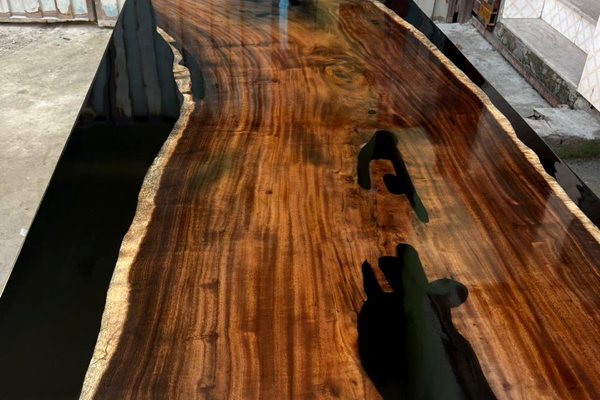
River tables have become a hallmark of epoxy furniture design. By using UltraClear Deep Pour Epoxy to fill the gap between two live edge wood slabs, you create a “river” that accentuates the natural beauty of the wood.
- Techniques: Ensure the channel is cleanly routed or designed into the wood slabs. Pour in layers if the channel is particularly deep, and use a heat gun to remove air bubbles between layers for a flawless finish.
- Benefits: The deep, thick resin not only adds a dramatic visual element but also provides structural integrity and long-term durability, making the table both a functional piece and a work of art.
See our how-to guide for river veins here!
#2: Large Molds and Castings
Deep pour epoxy is perfect for filling large molds where a singular, robust form is needed. This can include decorative objects, custom furniture components, or even artistic installations.
- Techniques: When working with large molds, pour the resin in stages to manage the exothermic reaction effectively. Ensure each layer cures partially before adding the next to avoid overheating and to maintain uniformity.
- Benefits: The resulting cast is solid and durable, ideal for both functional items and artistic pieces. Using UltraClear Deep Pour Epoxy ensures that the final product has a consistent, clear appearance without discoloration.

#3: Sculptural Art Pieces
For artists looking to create three-dimensional art, deep pour epoxy offers the ability to cast thick, clear layers that can form intricate, multi-dimensional sculptures.
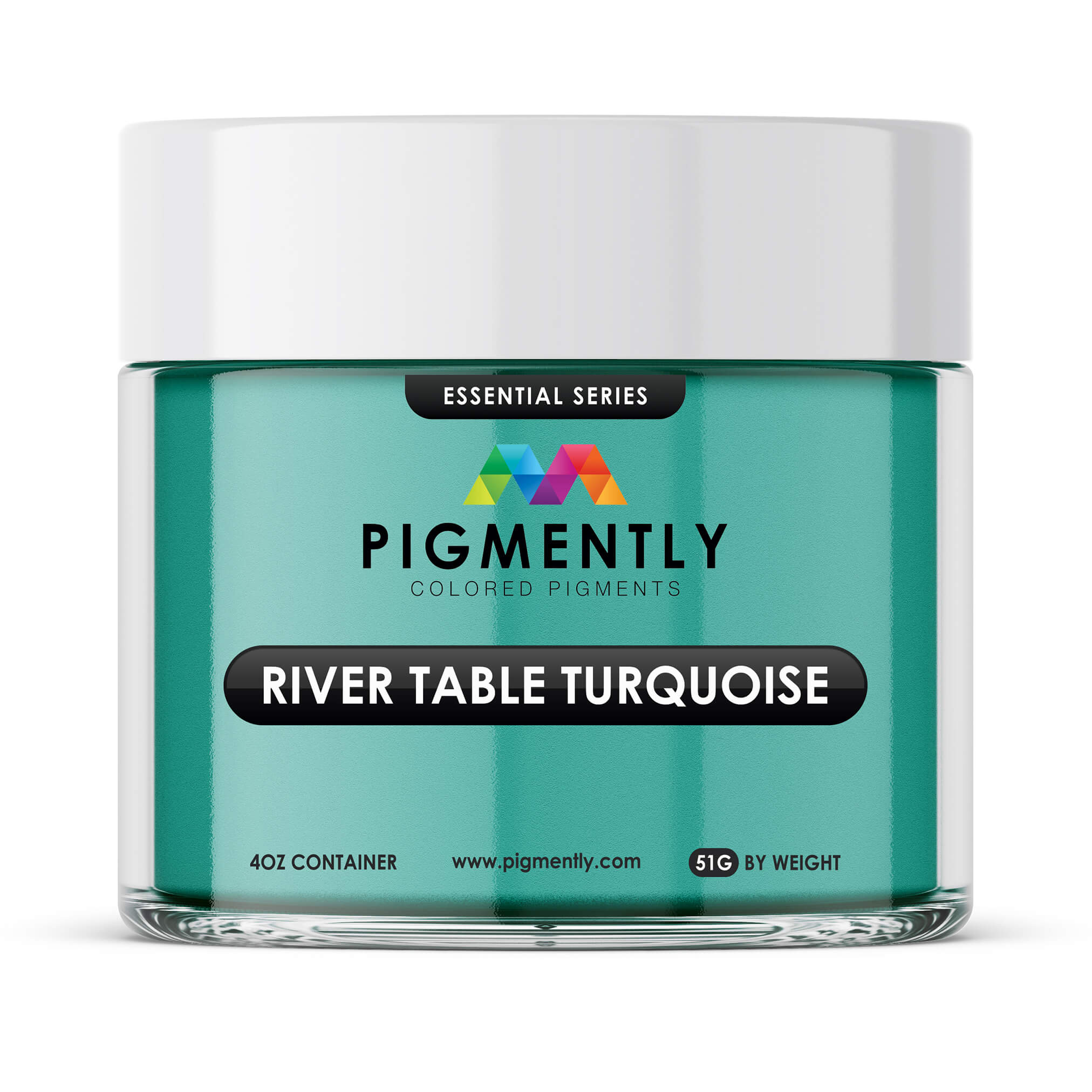
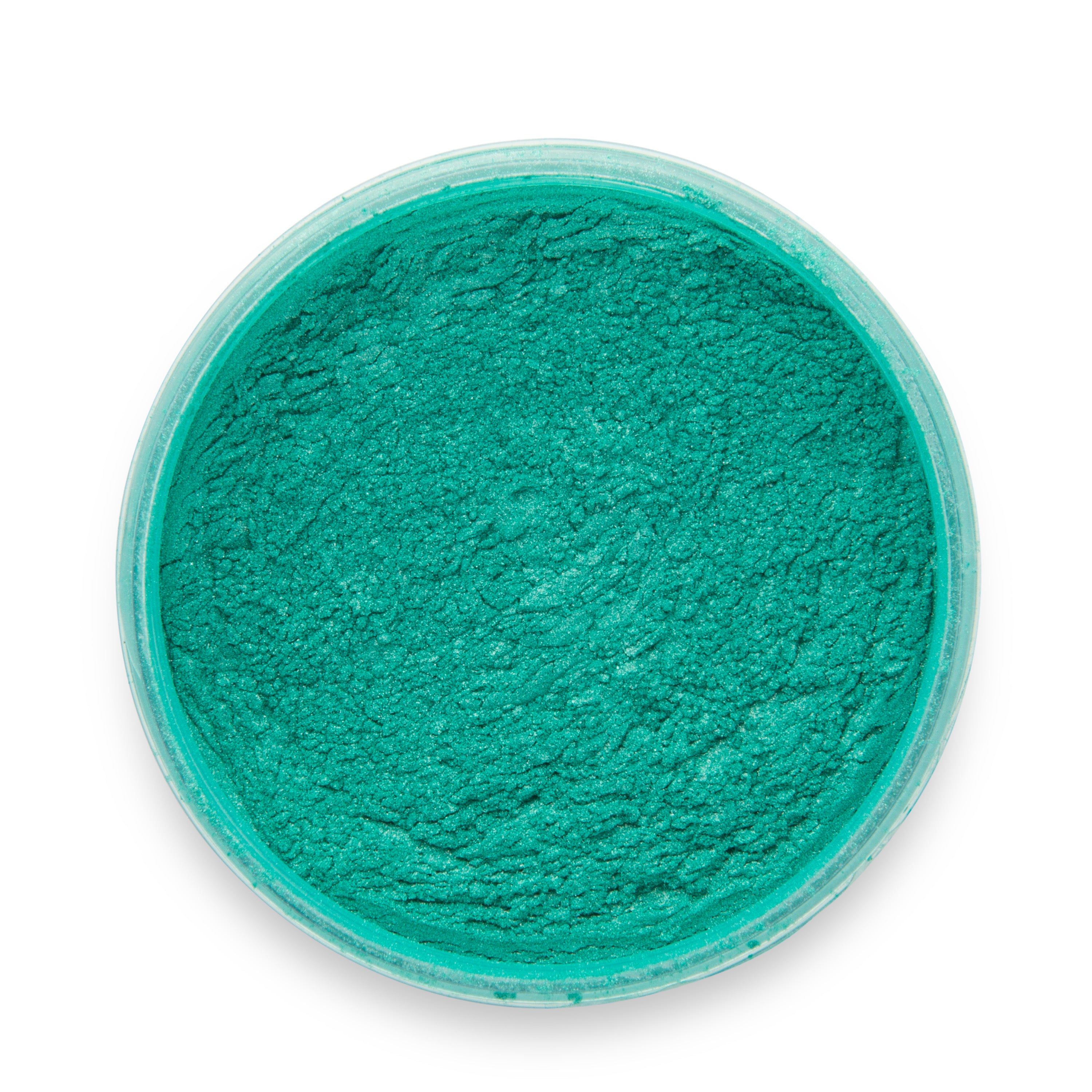
- Techniques: Use molds designed for deep casts, and experiment with layering techniques to build up different levels of transparency and embedded details. Consider incorporating pigments, metallic powders, or natural elements between layers to enhance the depth and texture.
- Benefits: The robust nature of UltraClear Deep Pour Epoxy ensures that even large, complex sculptures cure evenly and retain a high level of clarity and detail.
#4: Resin Countertops and Table Tops
While thin, high-gloss finishes on table tops are often achieved with UltraClear Bar & Table Top Epoxy, there are cases where a thicker, more substantial layer is desired—for example, to create a dramatic, sculptural effect or to embed objects.
- Techniques: Combine a base layer of UltraClear Deep Pour Epoxy with a final top coat of UltraClear Bar & Table Top Epoxy. This approach leverages the high-depth benefits of a deep pour with the sleek finish of a thin coat.
- Benefits: The thick resin layer adds durability and visual weight to the table top, making it not only a functional surface but also a centerpiece that draws attention.
#5: Custom Benches and Seating Elements
For outdoor or indoor seating, deep pour epoxy can be used to craft integrated, solid creations that combine resin with wood or metal frameworks.
- Techniques: Use molds or custom-built forms to shape the epoxy, and pour in sections to build up a robust seating surface. Embedding decorative elements like stone chips or colored pigments can further enhance the aesthetic appeal.
- Benefits: The strength and longevity of UltraClear Deep Pour Epoxy make it an excellent choice for furniture subjected to daily wear, providing both stability and a striking finish.

#6: Architectural and Decorative Panels
Deep pour epoxy is also used in large-scale architectural installations or decorative wall panels.
- Techniques: Pour thick layers directly onto flat, prepared surfaces or into custom molds. Use techniques such as layering, embedding, or even carving into partially cured resin to add texture and dimension.
- Benefits: The depth and clarity of UltraClear Deep Pour Epoxy create a striking, immersive visual experience that can serve as a focal point in any space.

Why Choose UltraClear Epoxy for Your Deep Pour Endeavors?
When it comes to epoxy resin, quality matters. Low-cost resin products may appear attractive due to their price but often fail to deliver in terms of clarity, curing consistency, and durability. Because they are often imported and sold by less credible dealers, exaggerated claims are often made about the safety and functionality of such products.
UltraClear Epoxy products, made in the USA, provide clear, long-lasting finishes that stand up to the rigors of everyday use:
- Superior Clarity: UltraClear formulations remain crystal clear and resist yellowing over time.
- Consistent Curing: Engineered for even curing, UltraClear products ensure a robust, uniform finish.
- Enhanced Durability: These resins are designed to be scratch-resistant and durable, ensuring that your work maintains its quality over the long term.
- Quality Assurance: Manufactured under strict standards in the USA, UltraClear Epoxy offers reliable performance, making it a worthwhile investment compared to low-cost alternatives.
You'll find our UltraClear Epoxy craft resins on the following pages:
- UltraClear Bar & Table Top Epoxy: Our strongest, self-leveling epoxy designed for thin, rock-solid layers.
- UltraClear Deep Pour Epoxy: Our deep casting resin, designed for thick layers that can cure without blemishes. It also features extended working times for stress-free application.
- UltraClear Art & Craft Epoxy: A special epoxy variant perfect for smaller projects, especially resin art. Use this if you need slightly more versatility than what table top epoxy offers. Also a great choice for beginners to learn epoxy.

Frequently Asked Questions (FAQs)
Question #1: What distinguishes deep pour epoxy from other types of epoxy?
Deep pour epoxy is specifically formulated for thick applications. It manages the exothermic reaction better than standard epoxies, allowing for pours several inches deep without overheating or cracking. This makes it ideal for river tables, sculptures, and large molds.
Question #2: Can deep pour epoxy be used for table top projects?
Yes, but it depends on the design. While deep pour epoxy is excellent for creating thick, dimensional effects like those seen in river tables, UltraClear Bar & Table Top Epoxy is typically preferred for thin, high-gloss coatings on table tops. Use the product that best fits your project’s requirements.
Question #3: How do I ensure even curing with deep pour epoxy?
Maintain a consistent ambient temperature (70°F–80°F) and pour in layers if necessary. Follow the manufacturer’s mixing and application instructions closely, and allow ample time for each layer to partially cure before adding the next.
Question #4: Is deep pour epoxy more difficult to work with than other epoxy resins?
Deep pour epoxy can be more challenging due to its thick consistency and the need for careful temperature management. However, with precise measurements, proper mixing techniques, and patience, it can be used successfully by those with moderate experience.
Question #5: What safety precautions should I take when working with deep pour epoxy?
Always wear protective gear such as nitrile gloves, safety goggles, and a respirator mask. Work in a well-ventilated area and ensure your workspace is clean and dust-free. And, of course, be sure to follow any safety guidelines provided by the manufacturer of the epoxy you've chosen.
Question #6: Can I tint deep pour epoxy with pigments?
Yes, deep pour epoxy can be tinted with pigments to create custom colors and effects. However, because pigments are often quite potent, it’s a good idea to add them sparingly until you achieve the desired tone.
Question #7: How do I remove air bubbles from deep pour epoxy?
After pouring, use a heat gun or torch to gently remove air bubbles. For very thick pours, you may need to repeat the de-bubbling process to ensure a smooth finish.
Question #8: How long does it take for deep pour epoxy to cure fully?
Cure times can vary depending on the product and environmental conditions, but deep pours typically require several days up to a full week to reach full hardness. Always consult the product’s instructions for precise timing.
Question #9: What projects are best suited for deep pour epoxy?
Deep pour epoxy is ideal for river tables, large art panels, sculptures, and any project that benefits from thick, dimensional layers. It is also used for casting large molds and creating intricate, custom-shaped pieces.
Question #10: Can I combine deep pour epoxy with other materials?
Yes, deep pour epoxy can be combined with materials like wood, metal, and natural elements to create striking, composite pieces. The thick nature of deep pour epoxy makes it especially useful for projects requiring substantial depth and durability. Be sure to use a high-quality epoxy such as UltraClear Deep Pour Epoxy for a high clarity and a strong, clean bond.

Have Questions? Want Advice? We're Here to Help!
If you have any questions about epoxy resin, or if you'd like assistance in planning an epoxy project, please reach out to us at UltraClear Epoxy—our epoxy experts are ready to assist!
You can contact us via phone or email here. During business hours, you can also text chat online with one of our resin specialists by clicking the Help button at the bottom of your screen.
In our online store, you'll find a variety of useful tools and supplies, ideal for resin projects, plus our award-winning UltraClear Bar & Table Top Epoxy and our UltraClear Deep Pour Epoxy.