Epoxy's Appeal and the Risks of Inexperience
Epoxy resin is a powerful medium for both functional surfaces and artistic expression. With its strength, clarity, and versatility, it's no surprise that epoxy projects are increasingly popular among DIYers and professionals alike.
However, epoxy's performance depends heavily on proper technique. From surface prep to curing and maintenance, each phase must be approached with attention to detail.
In this guide, we’ll walk through common—and some uncommon—mistakes made during each stage of an epoxy project. We’ll explain why these issues happen, how to avoid them, and how to recover if they do occur.
If you want a flawless, long-lasting result, understanding what not to do is just as important as knowing what to do.

Contents(Click any link to jump to that section) |
|
17 Mistakes and How to Prevent Them
Why Budget Epoxy Brands Still Lead to Problems |

Planning & Preparation Mistakes
Mistake #1: Choosing the Wrong Type of Epoxy
Why It Happens: Many beginners assume that all epoxy resins are interchangeable, but different formulas serve different purposes.
How to Prevent It: Understand your project’s requirements—depth of pour, level of clarity, intended use, and work time.
- For thin coatings like bar tops, use UltraClear Bar & Table Top Epoxy.
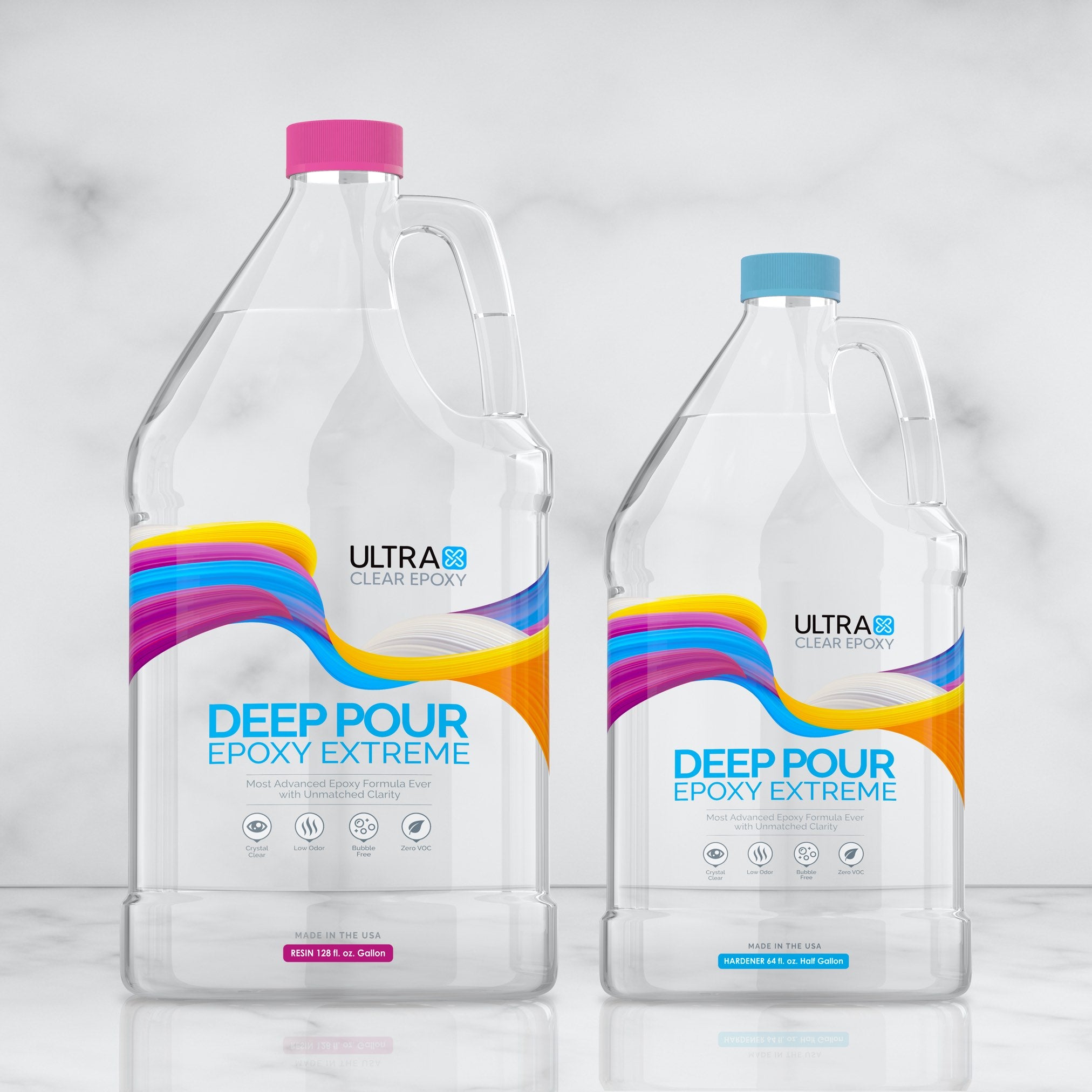
- For deep molds or river tables, go with UltraClear Deep Pour Epoxy.
- For small decorative or artistic projects, choose UltraClear Art & Craft Epoxy.
What to Do if It Happens: If you've used the wrong epoxy type (e.g., bar top epoxy in a deep pour), you may see overheating, cloudiness, or incomplete curing. Unfortunately, the only solution may be to remove the epoxy and restart the project with the correct product.
Mistake #2: Underestimating Required Materials
Why It Happens: People often eyeball their surface or volume measurements and end up with too little epoxy to complete the job.
How to Prevent It: Use an epoxy coverage calculator to estimate the correct amount needed based on dimensions and pour depth. Before purchasing you can use our Epoxy Coverage Calculator to get a estimate of what you'll need—or you can contact us to get direct advice from one of our resin experts!
What to Do if It Happens: You can mix another batch to fill in the remainder, but depending on timing, the second layer may not bond seamlessly. In such cases, you can scuff sand the cured surface before applying the next coat.

Mistake #3: Inadequate Workspace Preparation
Why It Happens: Often, newer users overlook workspace setup. Common oversights include poor lighting, uneven surfaces, or inadequate ventilation.
How to Prevent It: Prepare a clean, level surface. Maintain a consistent temperature between 70°F and 80°F—ideally 75°F. Ensure proper airflow, especially when working indoors. Cover nearby surfaces to protect them from drips, and keep dust sources away from the project area.
Learn more about optimal workspace conditions here.
What to Do if It Happens: If your table is uneven, epoxy will pool and self-level incorrectly. If dust contaminates the epoxy, wait for it to cure, then sand and recoat. Prevention is far easier than correction here.
Mistake #4: Ignoring the Importance of Temperature
Why It Happens: Ambient conditions drastically affect epoxy behavior, but many users don’t realize how sensitive resin is to temperature.
How to Prevent It: Check both room and material temperatures. Warm your resin bottles in a water bath (not the hardener!) if they’re below 70°F. Avoid working in cold garages or hot sheds—extreme temps can cause curing delays or accelerate exothermic reactions.
What to Do if It Happens: If your epoxy is too cold, it may become cloudy or fail to cure. If it’s too hot, it could flash cure and crack. If this occurs, sand down the problem area and apply a new layer under proper conditions.

Measuring & Mixing Mistakes
Accurate measuring and careful mixing are some of the most important steps during an epoxy project, enough so that we've written a fully dedicated guide, which you can find on the following page: Epoxy Basics: How to Measure & Mix It Right
Continue below for explanations of common measuring and mixing mistakes and how to prevent and handle them.
Mistake #1: Eyeballing the Ratio
Why It Happens: Beginners often underestimate the importance of precision, thinking close enough is good enough.
How to Prevent It: Always measure epoxy components using calibrated measuring tools.
- For UltraClear Bar & Table Top Epoxy and UltraClear Art & Craft Epoxy, maintain a 1:1 ratio.
- For UltraClear Deep Pour Epoxy, use a 2:1 ratio (resin to hardener).
- Always check the product label of your chosen epoxy for confirmation.
What to Do if It Happens: If the ratio is significantly off, the epoxy may never fully cure. In this case, the only solution is to remove the material and re-pour with a correct mix.
Mistake #2: Mixing by Weight Instead of Volume
Why It Happens: Some assume measuring by weight is more precise—but resin and hardener typically have different densities.
How to Prevent It: Only measure by weight if the manufacturer explicitly says it’s supported. UltraClear products are designed for volume-based measuring.
What to Do if It Happens: If the mix ratio by weight is off, curing may be incomplete. If soft or sticky areas remain, sand them down and recoat correctly.

Mistake #3: Incomplete Mixing
Why It Happens: Rushing the process or not scraping the sides and bottom of the container leads to unblended resin or hardener.
How to Prevent It: Mix for at least 3–5 minutes, using a consistent, slow stirring motion. Scrape the sides and bottom of the container regularly.
For large batches (about a gallon in size), you can use a power drill with a mixing bit at medium speed to properly blend it. Just be sure to keep the bit near the bottom of the container to avoid pulling air into the mix.
What to Do if It Happens: Improperly mixed epoxy may cure unevenly or develop soft spots. These areas should be removed via scraping or sanding, followed by a clean re-pour.
Mistake #4: Mixing Too Fast or Vigorously
Why It Happens: Some users stir too aggressively, introducing air bubbles into the mix.
How to Prevent It: Stir slowly and deliberately to minimize air entrapment. Use a flat mixing stick and rotate the container slowly if needed. You'll find high-quality Poly Pro Plastic Stir Sticks in our store.
What to Do if It Happens: Surface bubbles may rise during the curing process and can usually be removed with a heat gun or torch. Deeper bubbles or foam may require sanding and a recoat.

Pouring & Application Mistakes
Mistake #1: Pouring Too Thick at Once
Why It Happens: Beginners are often eager to complete a project quickly and assume a single thick pour will save time. However, this approach can backfire.
How to Prevent It: Stay within the maximum pour depth of the epoxy you’re using.
- UltraClear Bar & Table Top Epoxy and UltraClear Art & Craft Epoxy should be poured no more than 1/8" thick per layer. However, you can apply multiple layers to achieve a thicker finish.
- For thicker projects, use UltraClear Deep Pour Epoxy, which allows depths up to 2" per pour (depending on total volume and mold size).
Trying to exceed these limits can cause the epoxy to overheat, bubble, crack, or cure unevenly.
What to Do if It Happens: If you notice excessive heat, smoke, or warping, stop the reaction by ventilating the area and removing the affected epoxy if it's safe to do so. Once cooled, sand down any damaged areas and re-pour using thinner layers or switch to the correct epoxy formula for deep pours.

Mistake #2: Pouring Too Slowly or Hesitating Mid-Pour
Why It Happens: A cautious user may stop and start during the pour, especially when working around embedments or mold edges, leading to visible seam lines or uneven finishes.
How to Prevent It: Plan your pour strategy ahead of time. Once you start, maintain a steady, continuous flow of epoxy. Pre-coat any complicated features to reduce air pockets and ensure full coverage.
What to Do if It Happens: Seam lines or uneven surfaces can often be corrected by sanding and applying a flood coat with UltraClear Bar & Table Top Epoxy for a level, glass-like finish.
See our guide to pouring technique for tips on getting it just right.
Mistake #3: Ignoring Air Bubbles During or After Pouring
Why It Happens: All epoxies naturally trap some air during mixing, but failure to address bubbles can leave visible pockets in the cured surface.
How to Prevent It: After pouring, use a heat gun or torch in sweeping motions to eliminate bubbles on the surface. Do this carefully to avoid scorching. Pour in a warm room (around 75°F) to help bubbles rise and escape naturally.
What to Do if It Happens: Surface bubbles can be lightly sanded and then recoated. Deeper embedded bubbles may require sanding or routing out the spot and performing a spot-pour to fill the void.
For detailed advice on handling bubbles, check out our dedicated guide here.

Mistake #4: Pouring in a Dusty or Humid Environment
Why It Happens: If the workspace isn't properly controlled, dust, insects, or moisture can contaminate your freshly poured surface.
How to Prevent It: Clean your workspace before pouring. Use a dust cover, such as a clean plastic bin or tented enclosure, to shield the curing project. Avoid pouring in high humidity, as this can cause amine blush or surface cloudiness.
What to Do if It Happens: Let the epoxy cure completely. Then sand the surface smooth, wipe it clean, and apply a fresh topcoat to restore clarity and gloss.
Mistake #5: Using the Wrong Tool to Spread Epoxy
Why It Happens: Some users try to spread epoxy with brushes or rollers not suited for resin, which can leave behind lint, bubbles, or streaks.
How to Prevent It: Use a plastic or notched trowel to spread epoxy evenly. If a brush is needed for edges or corners, use one that’s labeled as epoxy-safe and lint-free. For small applications, silicone tools or gloved hands can also work well.
What to Do if It Happens: If the surface shows texture or embedded fibers, wait for the epoxy to cure, then sand and apply a new layer using the correct tools.

Curing & Post-Cure Mistakes
Mistake #1: Disturbing the Epoxy During Curing
Why It Happens: Touching or moving the project before it's fully cured is a common mistake, usually caused by impatience or curiosity.
How to Prevent It: Follow the manufacturer’s recommended cure time.
Here are the curing times for UltraClear Epoxy products:
- UltraClear Bar & Table Top Epoxy: 72 hours before full use
- UltraClear Art & Craft Epoxy: 72 hours before full use
- UltraClear Deep Pour Epoxy: 1 week before full use (72 hours for light touching)
Avoid touching, moving, or placing objects on the surface during this time.
What to Do if It Happens: If the surface is marked or damaged, allow it to cure fully, then sand down the area and apply a flood coat to restore a smooth finish.

Mistake #2: Allowing Contaminants to Land on the Surface
Why It Happens: During the cure window, airborne dust, hair, insects, or even falling debris can settle into the epoxy. If your environment is dusty or open air, working to prevent this can ensure a nice, clean finish.
How to Prevent It: Immediately after pouring, cover the entire project with a clean, dust-free cover that allows airflow but keeps contaminants out. Avoid working in garages or sheds where debris is more common.
What to Do if It Happens: Wait until the epoxy fully cures, then sand the contaminated area and recoat. For shallow intrusions like dust specks, a fine abrasive pad may be enough.
Mistake #3: Curing in the Wrong Environment
Why It Happens: High humidity, cold temperatures, or poor ventilation can interfere with the curing process. This is especially true in basements or unconditioned spaces.
How to Prevent It: Cure epoxy in a controlled environment between 70°F and 80°F—ideally 75°F—with relative humidity below 60%. Use space heaters or dehumidifiers as needed. Avoid outdoor curing unless conditions are ideal.
What to Do if It Happens: If the cured epoxy has a cloudy or greasy surface (known as amine blush), wash it with warm water and mild soap, then sand and recoat. If it’s tacky or uncured, you may need to remove and reapply.

Mistake #4: Skipping the Post-Cure Clean or Finish
Why It Happens: Once cured, some users forget to perform a finishing step—especially if the surface appears fine at first glance.
How to Prevent It: After full cure, clean the surface with a lint-free cloth and isopropyl alcohol to remove any residual surface oils. If needed, sand and buff for a glossy, professional finish.
What to Do if It Happens: If the surface remains hazy, sticky, or dull, try cleaning and polishing first. For more severe defects, sand and recoat with UltraClear Bar & Table Top Epoxy to restore clarity.

Why Budget Epoxy Brands Still Lead to Problems
Even if you follow every best practice, a low-quality epoxy can still fail you. Many off-brand or budget epoxies—especially those manufactured overseas and imported—come with serious downsides:
-
Inconsistent Quality: These products often lack proper quality control, which means cure times, hardness, and clarity can vary from batch to batch.
-
Weaker Formulas: Lower-grade raw materials produce a softer, more brittle finish prone to yellowing, cracking, or premature wear.
-
Health Risks: Some imported epoxies don’t meet U.S. safety standards. They may off-gas harmful VOCs or lack proper labeling and MSDS documentation.

UltraClear Epoxy: Premium Resin for Premium Results
Using a reputable, American-made epoxy like UltraClear Epoxy eliminates these risks. UltraClear products are engineered for:
-
Long-lasting strength and clarity
-
Easy application with reliable curing
-
Minimal maintenance over time
This makes a huge difference not just in appearance, but in safety, longevity, and peace of mind.
You'll find our high-grade UltraClear Epoxy resins on the following pages:
- UltraClear Bar & Table Top Epoxy—Our classic finishing resin for top-tier durability on bar tops, countertops, and table tops.
- UltraClear Art & Craft Epoxy—Our art resin for small projects and intricate pours requiring extra precision and manipulation.
- UltraClear Deep Pour Epoxy—Our deep casting resin for pouring thick layers easily.

FAQs: Fixing and Avoiding Epoxy Mistakes
What do I do if I forgot to mix long enough?
Let it cure fully, then check for sticky areas. Sand and remove any undercured spots and apply a fresh, properly mixed coat.
Can I recoat a flawed epoxy layer?
Yes. Wait for full cure, then sand the surface to create texture. Clean it well and pour a fresh layer.
My resin cured cloudy. What happened?
This could be due to moisture, under-mixing, or low-quality resin. Light sanding and polishing may help, but a recoat is often needed.
What happens if I used too much hardener?
Excess hardener disrupts the chemical balance, often resulting in soft, rubbery surfaces. These layers must be removed and redone.
How do I prevent bubbles during mixing?
Mix slowly and avoid whipping. Use a double-cup method and warm your resin slightly to reduce viscosity. Use a heat gun after pouring to remove bubbles from the surface.
Can I pour in multiple layers?
Absolutely. Just make sure each previous layer has partially or fully cured (depending on the method) and is properly prepped.
Learn more about layering here.

Have Questions? Want Advice? We're Here to Help!
If you have any questions about epoxy resin or fixing mistakes, or if you'd like assistance in planning an epoxy project, please reach out to us at UltraClear Epoxy—our epoxy experts are ready to assist!
You can contact us via phone or email here. During business hours, you can also text chat online with one of our resin specialists by clicking the Help button at the bottom of your screen.
In our online store, you'll find a variety of useful tools and supplies, ideal for resin projects, plus our award-winning UltraClear Bar & Table Top Epoxy and our UltraClear Deep Pour Epoxy.
UltraClear Epoxy—Trusted by over 1 Million+ Happy Customers