
Epoxy is a top-tier finishing solution for sealing table tops, offering both protection and visual clarity. But to get the flawless, glass-smooth result epoxy is known for, applying a seal coat correctly is essential.
This guide explains how to do it right, what to avoid, and why the quality of your epoxy matters.

Why Use an Epoxy Seal Coat?
A seal coat is a thin initial layer of epoxy that preps the surface before the final flood coat. It's one of the first steps in the epoxy process.
Its purpose is to permeate and lock down porous materials like wood, preventing air bubbles and allowing a smoother, more polished finish during the final pour. It also keeps lightweight or delicate items in place when embedding objects.
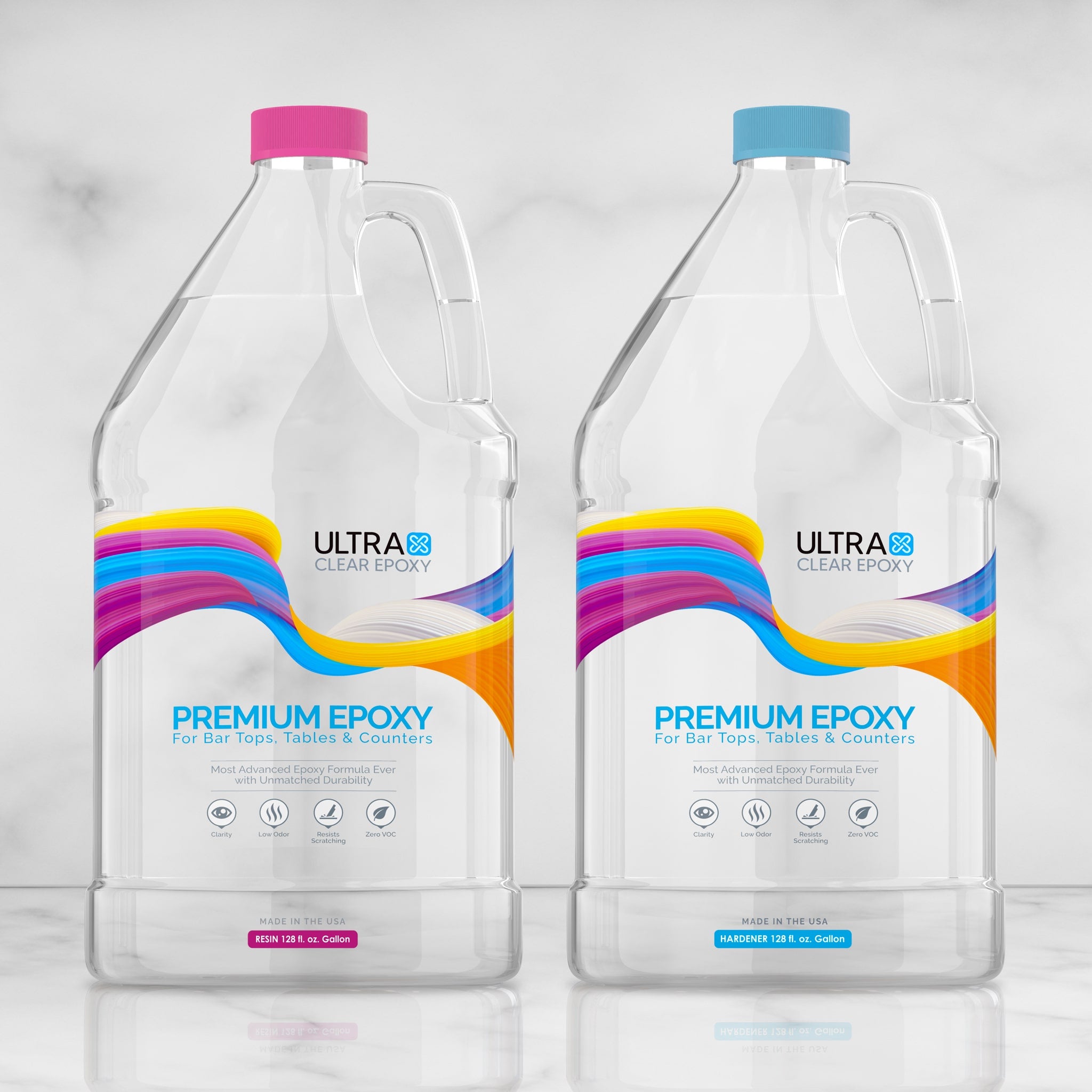
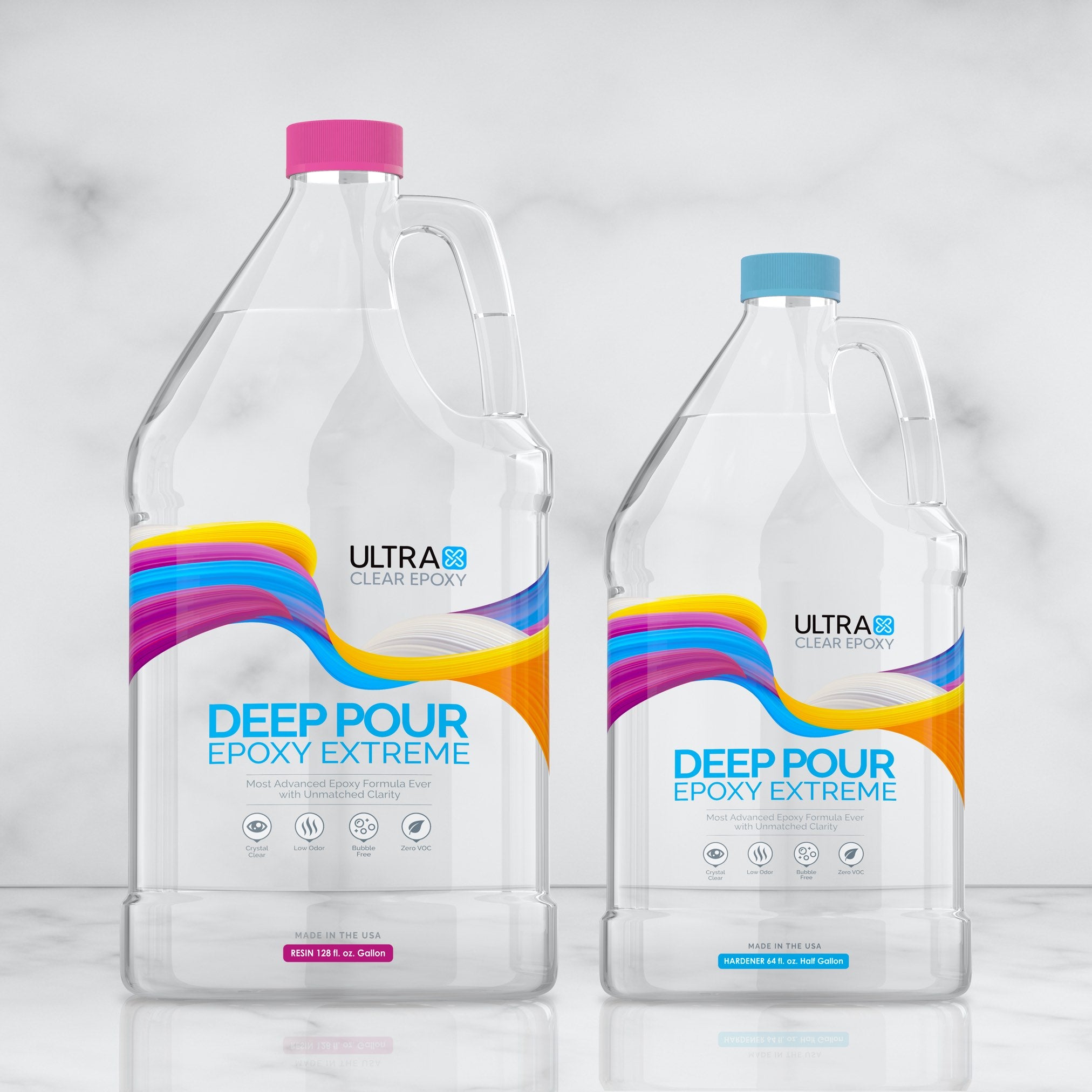
For ideal results, we recommend using UltraClear Bar & Table Top Epoxy for your seal coat, though UltraClear Art & Craft Epoxy also works. Our Deep Pour Epoxy, however, is less suited to the job (albeit still viable).

New to Epoxy? A Quick Explanation of Craft Epoxy Types
For those who aren't sure of the differences, here's a quick comparison of craft epoxy types:
- UltraClear Bar & Table Top Epoxy—The strongest epoxy and most common type for table tops. This resin can be used for seal coats and flood coats, making it a perfect choice for achieving a perfect epoxy finish.
- UltraClear Deep Pour Epoxy—Our deep casting resin, designed for extra thick resin layers. Typically used for the river vein in epoxy river tables. It can be used in the same way as Table Top Epoxy, but is better left to its own niche.
- UltraClear Art & Craft Epoxy—This art epoxy is designed for smaller projects requiring intricate pours and subtle applications. It's very similar to Table Top Epoxy but has a slightly less viscous nature, allowing it to flow more freely for filling in small spaces.

Step-by-Step: How to Apply an Epoxy Seal Coat
#1: Prepare Your Work Area
If you haven't already decided, we recommend performing your project in a clean, dust-free environment with a stable room temperature (ideally 70–75°F). It can be helpful to level your table top using a spirit level.
#2: Seal the Edges
Apply painters tape or Tyvek tape underneath the edges to catch drips. This helps keep your work area clean and minimizes sanding later.
#3: Mix the Epoxy
Using UltraClear Bar & Table Top Epoxy, measure and mix the resin and hardener precisely, following the product's ratio. Stir slowly for at least 3–5 minutes to avoid introducing excess air.
New to epoxy? Avoid these measuring mistakes for good results.
#4: Apply the Seal Coat
Using a small, quality paint brush, apply the epoxy to your substrate surface as if you were painting it. A thin layer is all you'll need. If your current batch of epoxy runs out, mix another one immediately and continue until you've coated the entire surface.
#5: (Optional) Remove Air Bubbles
If desired, you can use a heat gun or propane torch to lightly pass over the surface. In some cases, this helps pop trapped air bubbles that emerge during the spread. Stay several inches away and don't linger for more than a second as you move smoothly back and forth over the surface.
Note: This is typically not necessary as the seal coat is meant to be very thin. Air bubbles rarely form at this stage.
#6: Let It Cure
Allow the seal coat to cure until it has begun to notably harden. This usually takes around 4–6 hours but no more than 10 hours. Avoid dust or contaminants during this stage.
If more than 10 hours have passed, you'll need to perform a light sanding on the seal coat before any further epoxy applications to ensure a seamless finish.
#7: Check for Imperfections
Inspect the surface. If it's been more than 10 hours, sand lightly with sandpaper of any grit level between 320 and 200 before the final flood coat.

How Epoxy Outperforms Other Finishes
Traditional finishes like varnish or polyurethane can add a slight sheen to wood, but they don’t offer the durability or depth that epoxy does. Epoxy provides:
-
Thicker, more durable coating
-
High-gloss clarity
-
Waterproof and chemical-resistant surface
-
Self-leveling properties for easier application
This makes it ideal not just for aesthetics but for long-term protection against scratches, spills, and UV exposure (especially with UV-resistant formulations).

Choose UltraClear Epoxy for Best Results
Low-cost or imported epoxies often fall short—curing with yellowing, hazy finishes, or developing surface defects. For reliable, crystal-clear outcomes, use UltraClear Bar & Table Top Epoxy.
Here's what you can expect with any UltraClear Epoxy product:
-
A crystal-clear, professional-grade finish that is DIY-friendly
-
Exceptional self-leveling and air-release for easy application
-
Outstanding durability with a waterproof seal for complete protection
-
Peace of mind in knowing that UltraClear is 100% made in the USA to our exacting standards for superior quality control
UltraClear Epoxy is trusted by hobbyists and professionals alike for its consistent performance, even on complex or detailed table top projects.

FAQs: Epoxy Seal Coating for Table Tops
Question #1: Do I always need a seal coat for an epoxy table top?
Yes, almost certainly. A seal coat is especially important for porous or detailed surfaces. It prevents air bubbles and helps your flood coat cure without issue.
Question #2: Can I use the same epoxy for the seal and flood coat?
Absolutely. UltraClear Bar & Table Top Epoxy is formulated for both applications.
Question #3: How thick should the seal coat be?
The seal coat should be thin—usually around 1/16 inch. It’s meant to soak into the surface, not sit on top. Brush application is more than enough.
Note: The seal coat doesn't have to be smooth. Its goal is to seal off pores and provide a better bonding surface for the self-leveling flood coat later.
Question #4: How long should I wait between the seal coat and flood coat?
Wait until the seal coat has begun to notably harden. This is typically 4–6 hours, after which you can apply your flood coat or deep pour.
Not quite sure what makes a flood coat? Get the details in our guide here.
Question #5: The brush I used left stroke marks in the seal coat. What do I do?
You don't need to do anything at this point. These strokes are normal and will disappear when the epoxy is poured over them later.
Watch out for these beginner mistakes for a smooth pouring experience.

Have Questions? Want Advice? We're Here to Help!
If you have any questions about seal coating a table top, or if you'd like assistance in planning an epoxy project, please reach out to us at UltraClear Epoxy—our epoxy experts are ready to assist!
You can contact us via phone or email here. During business hours, you can also text chat online with one of our resin specialists by clicking the Help button at the bottom of your screen.
In our online store, you'll find a variety of useful tools and supplies, ideal for resin projects, plus our award-winning UltraClear Bar & Table Top Epoxy and our UltraClear Deep Pour Epoxy.