Epoxy is known for its strength and beauty, but that doesn’t mean every pour goes perfectly. Even experienced DIYers and professionals sometimes run into mid-project problems like bubbles, uneven levels, or unexpected debris.
The good news is that most of these issues can be fixed on the spot—if you know what to do. This guide walks you through the most common epoxy pour problems and how to address them before they compromise your finish.
Contents(Click any link to jump to that section) |
|
Air Bubbles That Won’t Go Away When to Recoat Instead of Repair |

Air Bubbles That Won’t Go Away
Bubbles are one of the most common frustrations in epoxy pours, and if they’re not handled correctly, they can leave noticeable imperfections that ruin an otherwise beautiful finish. While small bubbles are normal during mixing, they should rise and release during the curing process. If they persist, there’s usually an identifiable cause.
Why bubbles happen:
-
Improper mixing: Stirring too aggressively can trap excess air in the resin.
-
Porous materials: Raw wood, concrete, or other porous substrates release air as they absorb epoxy.
-
Cool resin or environment: Cold temperatures make epoxy thicker, which slows bubble escape.
-
Exceeding pour depth: Pouring too thick causes bubbles to become trapped before they can rise.
How to fix it during your pour:
-
Warm your resin before mixing. Place the sealed bottles in warm water for 10–15 minutes to reduce viscosity. This helps bubbles escape faster.
-
Mix slowly and scrape the sides. Gentle mixing reduces air entrapment while ensuring resin and hardener fully combine.
-
Seal coat porous surfaces first. Apply a thin layer of UltraClear Bar & Table Top Epoxy to raw wood or other porous substrates. This prevents air from seeping out into your main pour.
-
Use controlled heat. Pass a heat gun or propane torch lightly over the surface in quick motions to pop surface bubbles. Be careful not to scorch the resin.
-
Pour in layers if needed. For deep projects, use UltraClear Deep Pour Epoxy in 2-inch increments. This gives air time to rise through each layer.
If bubbles remain after curing:
Sometimes, despite your best efforts, a bubble or two makes it to the cured stage. In that case:
-
Sand down the surface until smooth.
-
Wipe clean with a lint-free cloth.
-
Apply a fresh flood coat of epoxy to restore a flawless finish.
By using the right techniques—and by working with a premium product like UltraClear—you can greatly reduce the chance of stubborn bubbles and achieve the crystal-clear surface epoxy is known for.

Debris or Dust in the Surface
Few things are more frustrating than pouring a smooth, glossy epoxy finish only to notice specks of dust, hair, or lint trapped inside once it cures. Because epoxy self-levels into a clear, glass-like surface, even the tiniest imperfections can stand out.
Fortunately, most of these problems are preventable with careful preparation and the right techniques.
Why debris shows up in epoxy:
-
Uncontrolled workspace: Dust from sanding, sawdust, or household particles can settle onto wet resin.
-
Clothing or tools: Loose fibers from rags, brushes, or clothing can fall into the pour.
-
Poor surface prep: Dirty or oily surfaces may trap contaminants under the epoxy layer.
-
Uncovered curing area: Leaving a project exposed during its long cure time invites airborne particles.
How to prevent debris issues:
-
Prepare your workspace. Vacuum, wipe, and remove any dust sources in the room before mixing your epoxy. A clean, enclosed area is ideal.
-
Wipe down the surface. Use a lint-free cloth with isopropyl alcohol to remove oils, dirt, or sanding residue.
-
Use quality tools. Swap old brushes, rags, or rollers for new, clean, epoxy-safe ones. Avoid cotton cloths that shed fibers.
-
Dress for success. Wear clean, lint-free clothing and consider a hat to keep stray hairs from landing in your work.
-
Cover your project. After pouring and popping bubbles, place a clean dust cover (like a plastic tent or cardboard box) over your piece to protect it during the first several hours of curing.
Fixing debris in cured epoxy:
If debris becomes part of the cured surface, it doesn’t mean the project is ruined.
-
Sand down the affected area with fine-grit sandpaper until the contaminant is gone.
-
Clean thoroughly with alcohol and let dry.
-
Apply a new flood coat of UltraClear Bar & Table Top Epoxy to restore clarity and a flawless finish.
By carefully prepping your space and materials, you can almost eliminate the risk of dust and debris. But if it does happen, UltraClear Epoxy’s self-leveling nature makes repairs simple and effective, ensuring your project ends up looking as professional as intended.


Uneven Pour or Low Spots
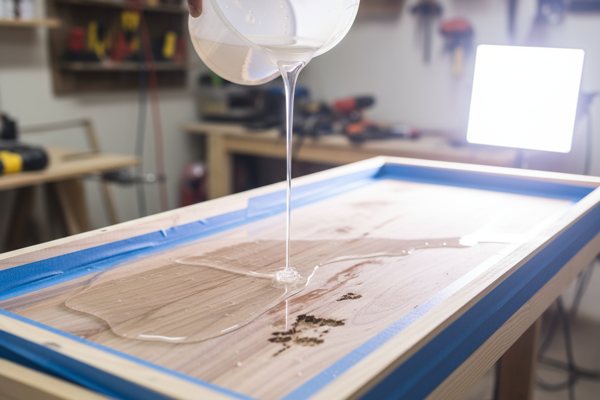
An epoxy surface should be perfectly smooth and level, but sometimes you’ll notice dips, thin spots, or uneven areas once your project cures. These flaws are usually the result of problems during pouring or preparation, but they can almost always be fixed.
Why uneven pours happen:
-
Unlevel workspace: Even a slight tilt in your table or mold will cause epoxy to flow to one side.
-
Incorrect resin volume: Not mixing enough resin to cover the entire surface leads to bare or thin spots.
-
Surface absorption: Porous materials like wood can soak up epoxy if not sealed first, leaving low areas behind.
-
Premature curing: Pouring resin that has already started thickening will prevent it from leveling properly.
How to prevent unevenness:
-
Check for level. Use a carpenter’s level on your table, mold, or form before mixing. Shim or adjust the base until it’s perfectly level.
-
Calculate your resin needs. UltraClear provides an epoxy coverage calculator—always measure your project area in advance so you know exactly how much to mix.
-
Seal porous surfaces. Apply a thin seal coat of UltraClear Bar & Table Top Epoxy to woods or other porous materials before your main pour. This prevents resin from soaking in unevenly.
-
Mix and pour promptly. Once combined, epoxy begins curing. Waiting too long before pouring makes it thicker and less able to self-level.
Fixing low spots after curing:
If you find dips or uneven patches after the surface has hardened:
-
Sand the area lightly to smooth transitions and create surface grip.
-
Wipe with alcohol to remove sanding dust.
-
Apply a new flood coat of epoxy across the entire piece. The fresh layer will self-level, filling in low areas and leaving a consistent finish.
For smaller repairs, you can spot-fill with carefully applied epoxy, but a full flood coat is usually the easiest way to restore a perfect, professional-grade surface.
The UltraClear advantage:
Because UltraClear Epoxy self-levels with exceptional consistency, it reduces the likelihood of uneven pours compared to lower-quality resins. Combined with proper prep and measuring, you can achieve a flawless finish without needing extensive corrections.

Overheating or Rippling
Epoxy cures through a chemical reaction that produces heat. When conditions aren’t right, that heat can build up too much and cause visible flaws in the finish—most commonly rippling, waviness, or even scorching.
These issues can compromise both the look and durability of the project, but the good news is they’re usually preventable with the right techniques.
Why overheating happens:
-
Mixing too much at once: Large volumes of epoxy cure faster and trap more heat, which can cause the resin to thicken and ripple before it levels out.
-
Pouring too thick for the product type: Table top epoxies are designed for thin flood coats, while deep-pour epoxies handle thick layers. Using the wrong type for the job can cause overheating.
-
High ambient temperatures: Working in a hot environment speeds up curing, increasing the risk of waves or soft rippling.
-
Poor airflow: Still air can trap heat around the curing resin, making surface imperfections worse.
How to prevent rippling and overheating:
-
Choose the right epoxy. For standard coatings, use UltraClear Bar & Table Top Epoxy, which is designed for 1/8–1/4 inch flood coats. For thicker applications, switch to UltraClear Deep Pour Epoxy, formulated to handle depths of up to 2 inches per layer without overheating.
-
Work in a controlled space. Keep room temperatures between 70–75°F when possible. Avoid direct sunlight and ensure there’s some airflow (a ceiling fan or gentle ventilation works well).
-
Mix in smaller batches. Instead of mixing a large volume of resin—i.e., greater than a 1 gallon—at once, mix multiple smaller batches and pour them one after another. This prevents heat buildup in the mixing container.
-
Pour promptly. Once mixed, epoxy should be poured onto the surface quickly. Leaving it sitting in the container generates more heat.
Fixing overheating or ripples after curing:
-
For light ripples: Allow the epoxy to cure fully, then sand the surface smooth and apply a fresh flood coat.
-
For significant rippling or soft spots: Sand away the uneven layer, making sure no tacky resin remains. Wipe the surface clean and reapply a proper coat using the right UltraClear product.
-
For scorched resin: Unfortunately, scorched resin can’t be repaired with a simple topcoat. The damaged area needs to be sanded down completely and refinished with a new flood coat.
How UltraClear help you avoid this:
Premium formulations like UltraClear Epoxy are engineered to resist overheating when used correctly, offering a more stable curing process and minimizing the risk of rippling compared to budget resins.
By pairing the right UltraClear product with proper workspace preparation, you can maintain a flawless, glasslike finish every time.

When to Recoat Instead of Repair
Not every epoxy flaw needs to be sanded out and refinished from scratch. In many cases, the best solution is simply to apply a new flood coat over the existing layer.
Recoating is faster, requires less labor, and often restores a surface to like-new condition without needing to tear into the cured layer underneath. The key is knowing when a recoat is the right choice—and when a full repair is unavoidable.
When a recoat is the best option:
-
Minor surface blemishes: Light scratches, dull patches, or faint rippling can usually be covered by sanding the surface lightly and applying a fresh flood coat.
-
Cloudiness from light dust or bubbles: If the imperfections aren’t deep, recoating will restore the clarity of the finish.
-
Uneven sheen or gloss: Sometimes epoxy cures with slight differences in shine, especially in larger surfaces. A recoat evens out the appearance.
-
Preventive maintenance: Even if no damage is visible, some people choose to recoat high-traffic table tops or bar tops every few years to maintain that “just-poured” shine.
When repair is unavoidable:
-
Deep gouges or dents: Severe damage needs to be filled or sanded out first, otherwise the flaws will still show through.
-
Sticky or uncured spots: A flood coat cannot fix uncured resin. The bad areas must be removed completely before recoating.
-
Structural issues: Warping, cracks, or poorly bonded layers all require sanding down to a stable surface before moving forward.
How to recoat correctly:
-
Prepare the surface. Lightly sand the entire epoxy top with 220–320 grit sandpaper. This creates tooth for the new coat to adhere to.
-
Clean thoroughly. Wipe away dust with a lint-free cloth and use isopropyl alcohol to ensure no debris or oils remain.
-
Apply a fresh flood coat. Use UltraClear Bar & Table Top Epoxy for a smooth, glasslike finish. Be sure to torch out bubbles as usual.
-
Allow full curing. Recoat layers bond chemically if applied within the proper recoat window (typically within 12–24 hours). If longer than that, sanding is required for mechanical adhesion.
Why UltraClear Epoxy is ideal for recoating:
Because UltraClear Epoxy is self-leveling and engineered for high clarity, it blends seamlessly with existing layers, eliminating the boundary between old and new coats.
With budget-brand epoxies, recoating often reveals uneven transitions, yellowing, or adhesion issues—but with UltraClear, you can confidently refresh your surface without worry.

Why Product Quality Matters So Much
Some epoxy issues aren’t caused by technique but by the resin itself. Budget epoxies often have poor clarity, trap bubbles more easily, or fail to self-level properly, leaving DIYers frustrated.
Avoid the Mistakes with UltraClear Epoxy
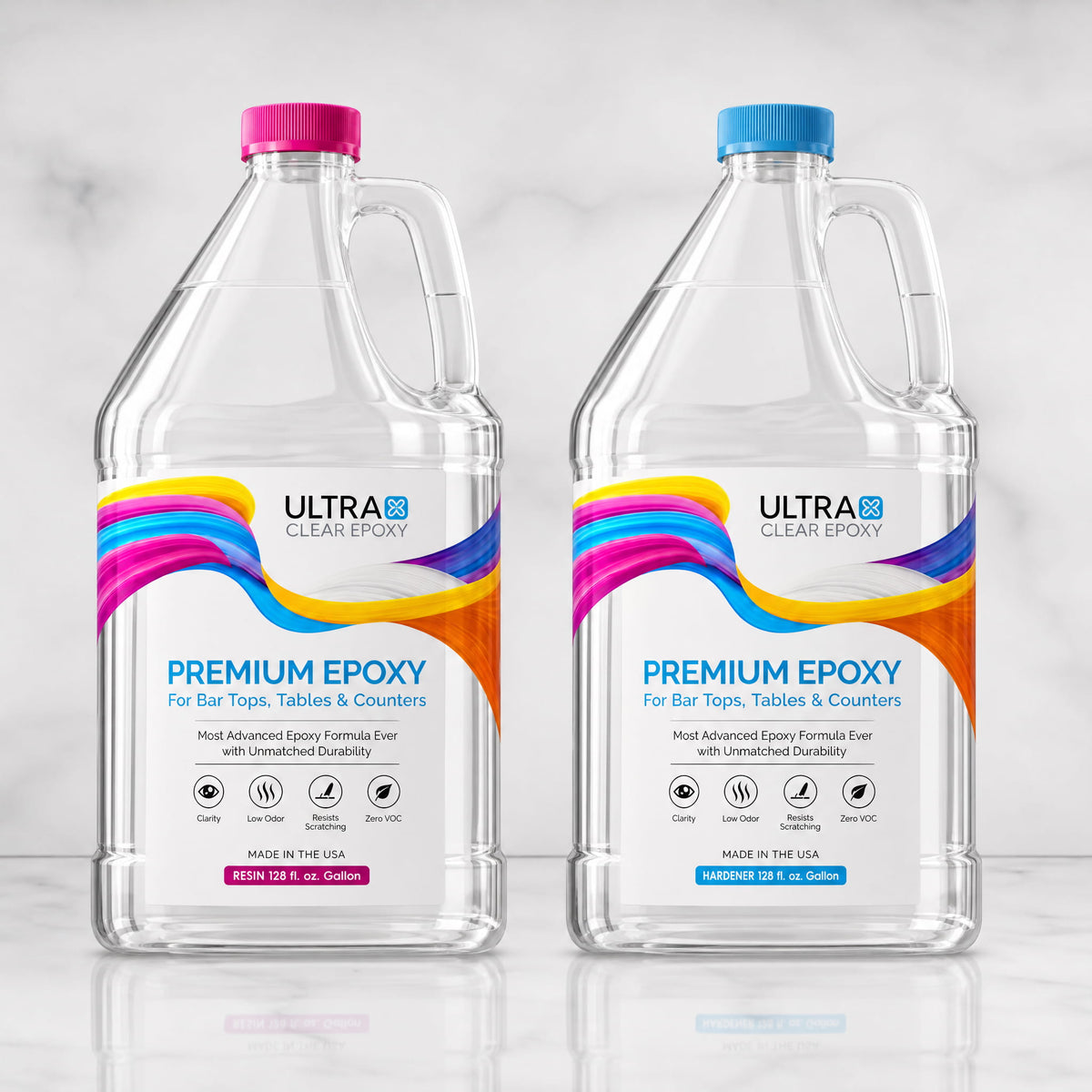
Using a premium option like UltraClear Epoxy—engineered for clarity, durability, and ease of use—reduces the chances of mid-project headaches and gives you more room to focus on creativity.
You'll find our UltraClear Epoxy products on the following pages:
- UltraClear Bar & Table Top Epoxy—The classic, for a thin, rock-solid finish
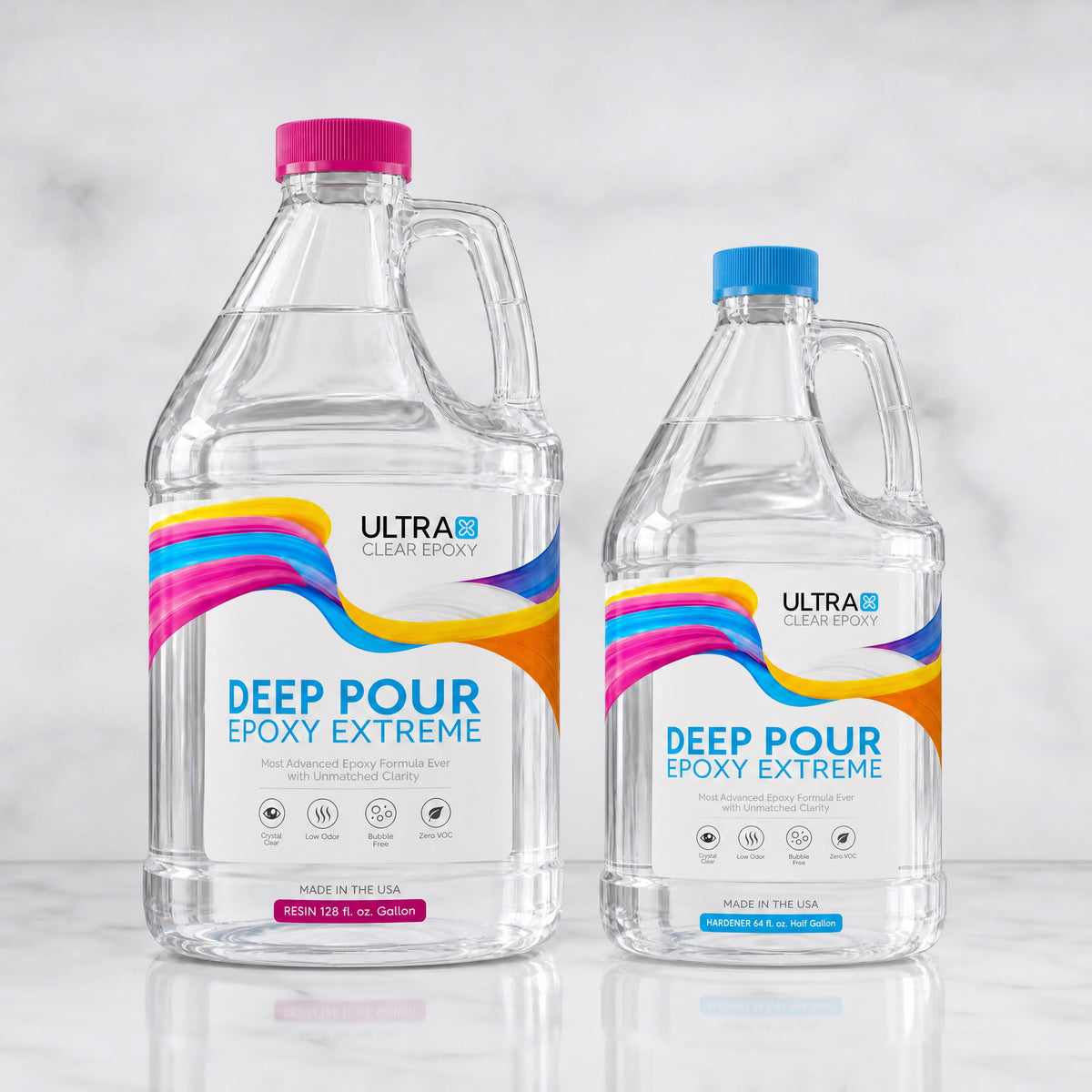
- UltraClear Deep Pour Epoxy—For extra-thick finished and deep layers
- UltraClear Art & Craft Epoxy—For smaller, more intricate projects

FAQs: Quick Fixes on the Fly
Can I pour more epoxy on top if I notice a mistake?
Yes—if the epoxy is still tacky, you can add more. If it’s cured, sand lightly for adhesion before recoating.
What if I torch too much and scorch the epoxy?
Light scorch marks can sometimes be sanded and recoated. If the burn is deep, sanding and a new flood coat will be necessary.
Is it safe to touch up epoxy with a brush mid-pour?
Yes, but use a clean foam brush or gloved finger, and move gently to avoid streaks.

Have Questions? Want Advice? We're Here to Help!
If you have any questions about epoxy resin, or if you'd like assistance in planning an epoxy project, please reach out to us at UltraClear Epoxy—our epoxy experts are ready to assist!
You can contact us via phone or email here. During business hours, you can also text chat online with one of our resin specialists by clicking the Help button at the bottom of your screen.
In our online store, you'll find a variety of useful tools and supplies, ideal for resin projects, plus our award-winning UltraClear Bar & Table Top Epoxy and our UltraClear Deep Pour Epoxy.
UltraClear Epoxy—Trusted by over 1 Million+ Happy Customers