Epoxy resin is widely used to create vibrant, durable surfaces in art, furniture making, and home décor. One of the most fundamental aspects of personalizing epoxy is color customization, which can be achieved using various types of colorants.
In this guide, we explore the differences between epoxy powder pigments and resin dyes, discuss alternative colorants, and explain why high-quality epoxy products—like those from UltraClear—are essential for lasting results. We also compare epoxy as a finish to traditional options for common materials such as wood.

Understanding Epoxy Powder Pigments vs. Dyes
What They Are:
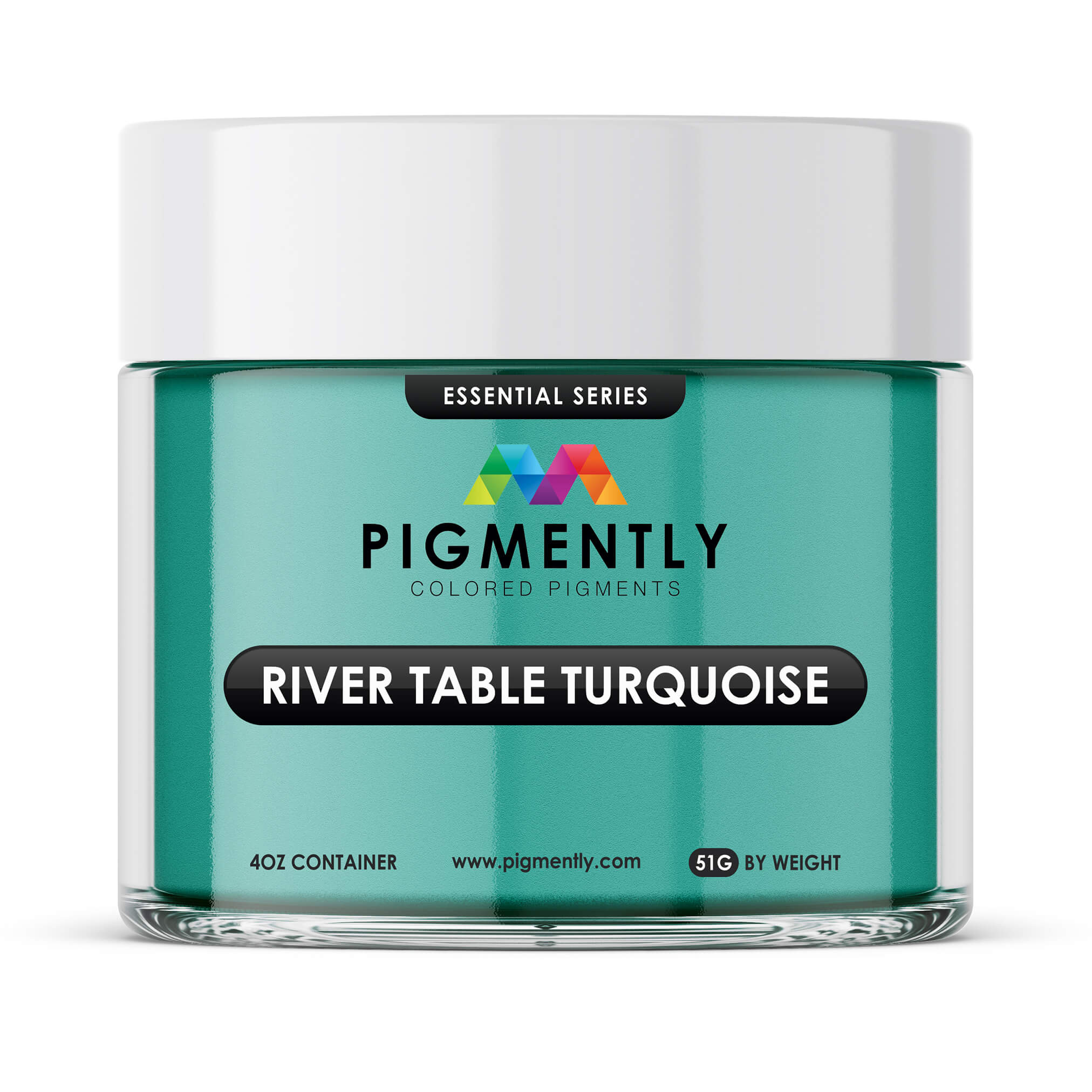
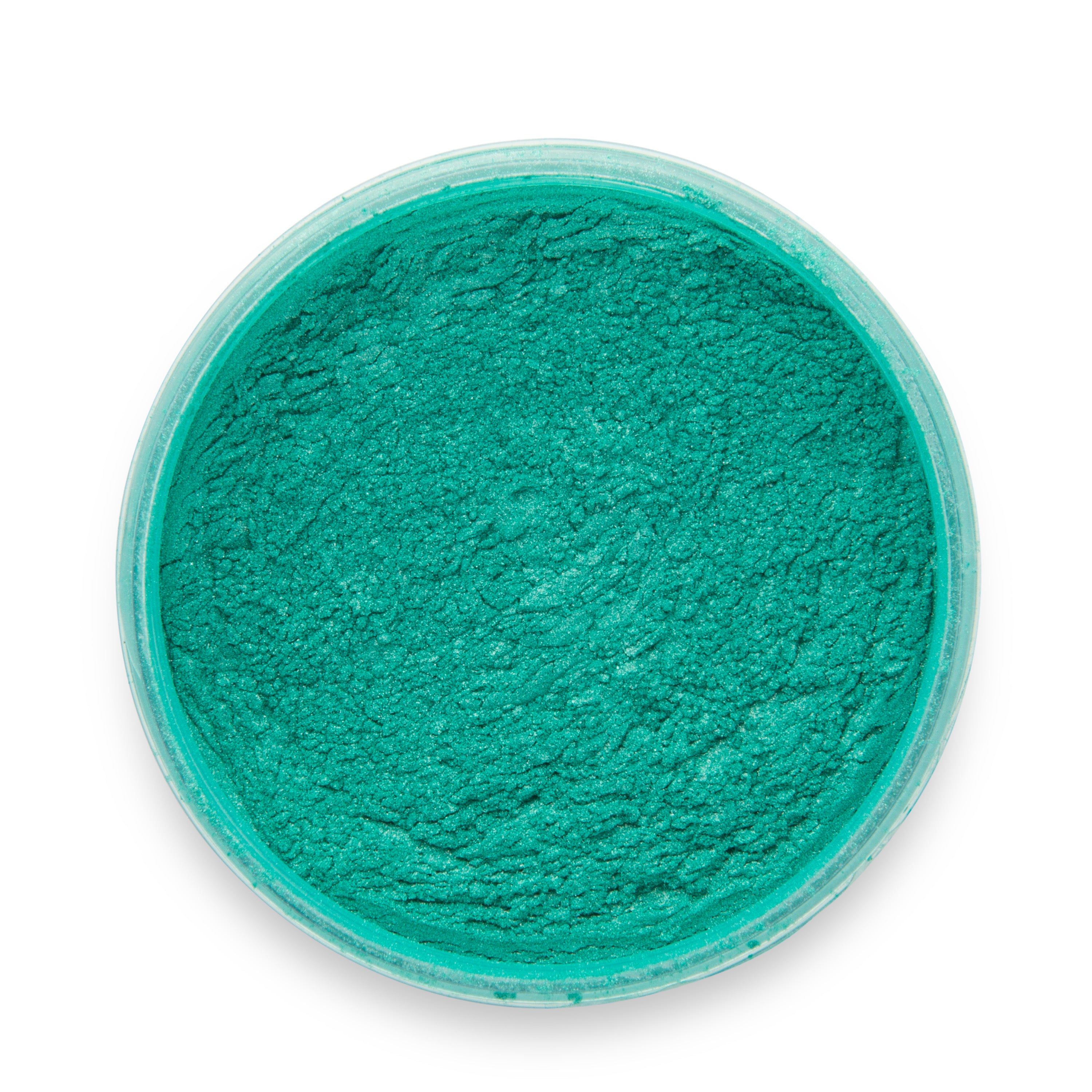
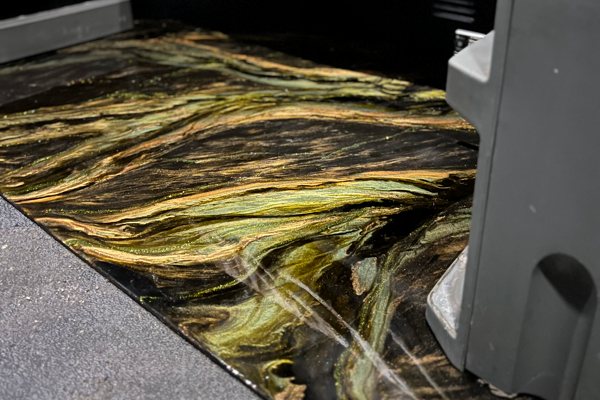
- Epoxy Powder Pigments: These are finely ground powders, often made from mica or other mineral compounds, that are mixed into the epoxy resin. They tend to be opaque or semi-transparent and add depth, shimmer, or metallic effects to the cured epoxy.
- Dyes: Epoxy dyes are liquid colorants that are typically highly concentrated. They dissolve uniformly in the resin to produce vibrant, translucent hues. Unlike powder pigments, dyes often produce more saturated and transparent colors and dont exhibit a shimmering effect.
Application Methods:
- Powder Pigments: These are usually mixed directly into the resin. They require thorough stirring to achieve an even distribution and may need additional agitation to prevent settling. Powder pigments can also be layered to create textured or variegated effects.
- Dyes: Dyes are added to the resin in small amounts and stirred in carefully. Their liquid form makes them easy to blend, and they tend to mix more uniformly with the epoxy. Because dyes are potent, so we recommend you start with a very small amount and adjust from there until you achieve the look you want.
Appearance After Curing:
- Powder Pigments: The cured epoxy often exhibits a slightly opaque or pearlescent quality. These pigments are excellent for creating subtle shimmer, metallic finishes, or layered effects that reveal a hint of depth beneath the surface.
- Dyes: When cured, epoxy dyed with liquid colorants typically has a vibrant, translucent finish, meaning you can still see through the epoxy material. Dyes are ideal for applications where a rich, uniform color is desired, making them popular in artistic resin projects and decorative coatings.
Your epoxy can be kept translucent or made opaque with either type of colorant simply by using less or more of the powder/dye.
Reasons for Choosing One Over the Other:
- Powder Pigments: Opt for powder pigments if you want a more textured or metallic finish. They are particularly useful in projects where visual depth or a pearlescent effect is desired. Powders often look almost like colorful swirls due to the way the miniscule particles reflect light in different directions.
- Dyes: Choose dyes when you need intense, uniform color with high transparency. Dyes are often preferred for intricate art pieces and projects where the color saturation is key. Dyes also give you more control of the exact appearance, with opacity being determined by the amount used.

Where to Get Good Epoxy Pigments and Dyes
Much like with epoxy, the quality/purity of a pigment or dye can affect the vibrancy or consistency of the resulting color. For the best outcome, we recommend using the high-quality colorants from Pigmently.
You'll find both types in our store on the following pages:
For more advice on how to apply them, take a look at our Coloring Techniques guide!
Other Viable Options for Coloring Epoxy
In addition to powder pigments and dyes, there are several alternative methods to color epoxy resin:
- Alcohol Inks: These provide fluid, unpredictable patterns and are especially popular in abstract resin art.
- Glitter: Small colorful particles such as glitter can be used to infuse epoxy with color as well. Many users apply it to the work surface after/before pouring the epoxy. Mixing it into a batch can be done but only in small amounts to avoid obstructing the blending.
Each of these options offers unique visual effects and can be used alone or in combination with pigments/dyes to achieve the desired aesthetic.

Why UltraClear Epoxy Is the Best Resin Choice
The quality of your epoxy resin is critical to the success of your project. Low-cost resin products often suffer from problems such as yellowing, inconsistent curing, and reduced durability. This is made possible by importing such resins from overseas locations where production standards are much lower.
To avoid health, safety, and quality concerns with your resin, we strongly recommend choosing something American-made from a credible source.
You can learn more about these industry-wide problems here.
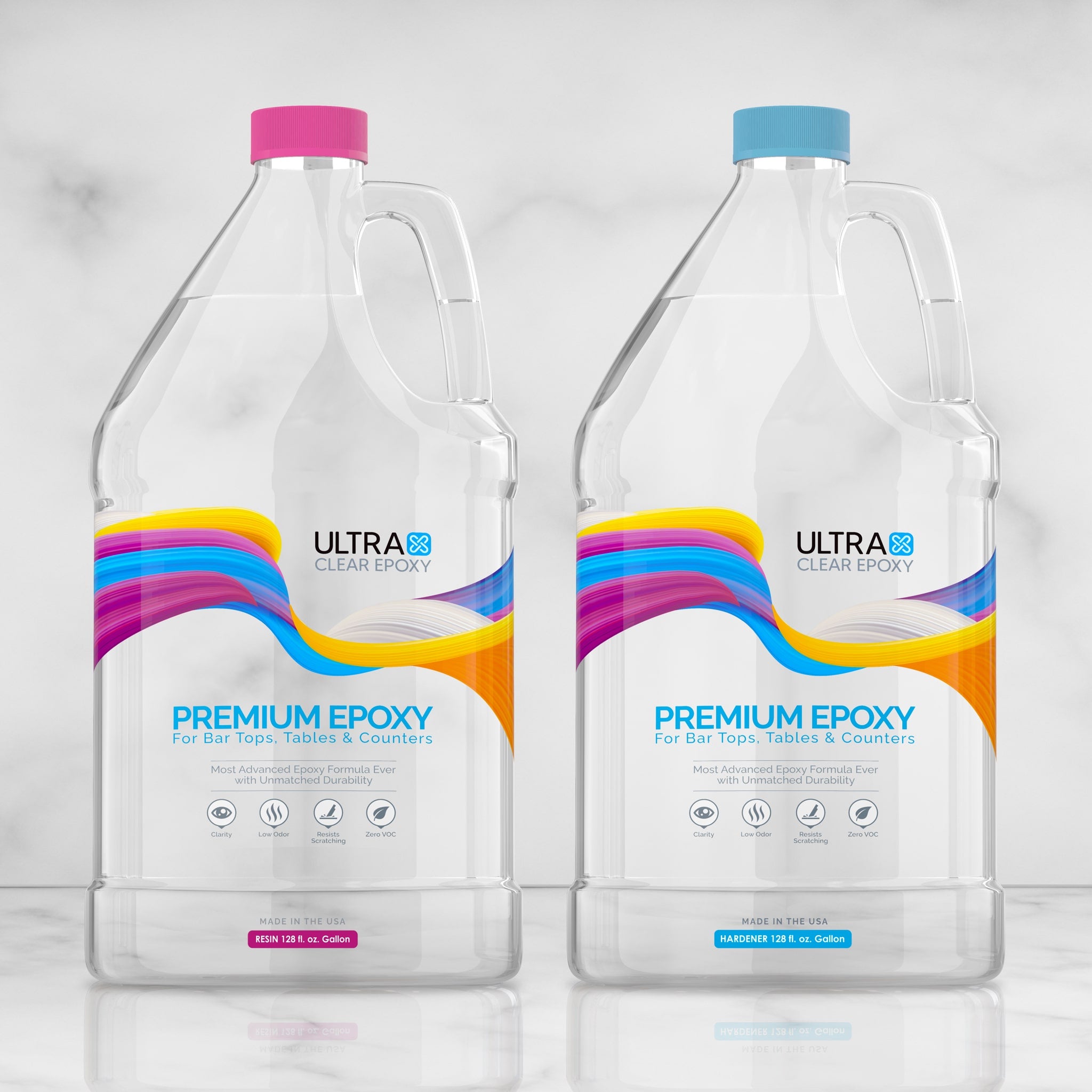
UltraClear Epoxy products, made 100% in the USA, offer several advantages:
- Superior Clarity: UltraClear formulations maintain a crystal-clear finish that resists yellowing over time.
- Highly Receptive to Colorants:
- Consistent Curing: With any UltraClear Epoxy product, you can expect even, reliable curing without the excessive formation of air bubbles.
- Enhanced Durability: Engineered to resist scratches, heat, and moisture, UltraClear Epoxy ensures that your creations remain vibrant and intact for years.
- Quality Assurance: Manufactured under strict quality standards in the USA, UltraClear Epoxy delivers performance and longevity that low-cost alternatives simply cannot match.
Investing in UltraClear Epoxy means investing in a product that supports professional-quality outcomes every time.
You'll find our craft resins on the following pages:
- UltraClear Bar & Table Top Epoxy—Our strongest epoxy. Goes on thin and cures to a powerful, crystal-clear finish. Perfect for any project that needs high resistance to wear and tear.
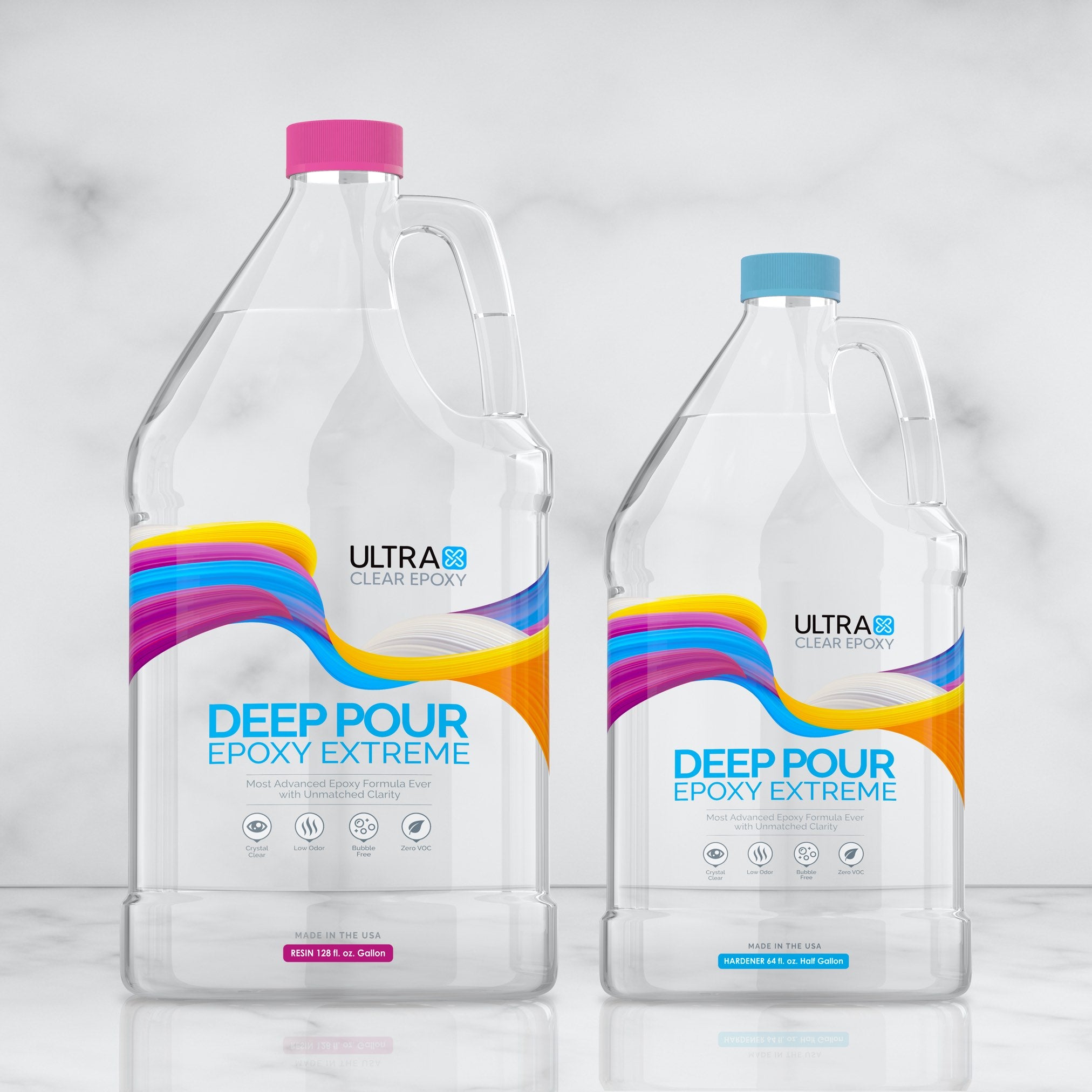
- UltraClear Deep Pour Epoxy—Our deep casting resin designed for pouring in thick resin layers. This is the right choice if you're making a river table or filling a deep void (such as in a resin mold). Pair it with a topcoating of our Table Top Epoxy for the ultimate finish.
- UltraClear Art & Craft Epoxy—The best choice for most types of resin art. This is ideal for resin coasters, jewelry, trays, and other types of smaller, more intricate projects.

The Appeal of Epoxy as a Finish Over Traditional Options
Epoxy resin stands out as a finish when compared to traditional options like lacquer or polyurethane, particularly on materials such as wood:
- High-Gloss Finish: Epoxy creates a seamless, glass-like surface that enhances the natural beauty of wood, highlighting grain patterns and colors without brush marks.
- Superior Protection: Once cured, epoxy forms a hard, non-porous layer that is highly resistant to scratches, moisture, and heat—qualities that are essential for high-use surfaces like table tops.
- Customization: Epoxy allows for intricate color mixing, layering, and embedding of decorative elements, offering a level of personalization not typically possible with conventional finishes.
- Self-Leveling: Its self-leveling properties ensure a smooth, uniform finish that enhances the overall appearance of the substrate.
These characteristics make epoxy a preferred finish for both functional and decorative projects, elevating everyday surfaces into works of art.


Project Ideas Using Table Top Epoxy and Other Epoxy Types
Here are some practical project suggestions along with the recommended UltraClear Epoxy product for each:
-
Custom Table Tops:
- Project: Refinish a wood table top with a smooth, high-gloss coating.
- Recommended Product: UltraClear Bar & Table Top Epoxy
- Details: Enhances the wood’s natural beauty and provides a durable, protective layer.
-
Deep Pour River Tables:
- Project: Create a river table by filling a channel between live edge wood slabs.
- Recommended Product: UltraClear Deep Pour Epoxy
- Details: Ideal for thick pours that require controlled curing and a robust, clear finish.
-
Detailed Resin Art Panels:
- Project: Produce artistic panels using intricate layering and embedded objects.
- Recommended Product: UltraClear Art & Craft Epoxy
- Details: Offers high clarity and is perfect for detailed, small-scale art pieces.
-
Functional Countertops:
- Project: Coat a kitchen or bathroom countertop to create a non-porous, durable surface.
- Recommended Product: UltraClear Bar & Table Top Epoxy
- Details: Provides a sleek finish that is easy to clean and maintain.


Frequently Asked Questions (FAQs) About Epoxy and Colorants
Question #1: What is the difference between epoxy powder pigments and dyes?
Powder pigments are finely ground minerals that add a shimmering, opaque effect, whereas dyes are liquid colorants that produce vibrant, transparent hues. Your choice depends on the desired visual effect and the level of color saturation needed for your project.
Question #2: Can I mix powder pigments and dyes in the same epoxy batch?
Yes, many artists blend both types to achieve unique effects. However, careful measurement and thorough mixing are needed to ensure that the resin cures properly and the colors integrate uniformly.
Question #3: How do I achieve a consistent color throughout my epoxy project?
Consistent color requires accurate measurement, proper blending, and following the manufacturer’s guidelines for the resin-to-hardener ratio. Using high-quality colorants and UltraClear Epoxy products further ensures uniformity.
See our guide to coloring epoxy for detailed advice.
Question #4: What are the best applications for table top epoxy?
Table top epoxy is ideal for coating flat surfaces like table tops, countertops, and bar tops. Its self-leveling properties and durable finish make it perfect for high-use areas.
Question #5: Why are some epoxies so cheaper than others? Are low-cost epoxy resins okay for art projects?
Low-cost resins often compromise on clarity, curing consistency, and durability. High-quality products like UltraClear Epoxy, made in the USA, offer superior performance and longevity, making them a better investment for both functional and artistic projects.
Question #6: How do I prevent yellowing in my epoxy projects?
Yellow can be prevented by choosing high-quality resin such as our UltraClear Epoxy products that are engineered to resist yellowing and maintain clarity over time. Additionally, avoid prolonged exposure to direct sunlight and consider applying a UV-protective top coat.
Question #7: Is epoxy suitable for outdoor applications?
Yes, high-quality epoxy can be used outdoors, but it may require additional UV protection to prevent discoloration. Always follow the manufacturer’s recommendations for outdoor use.
Question #8: What safety precautions should I take when working with epoxy?
Wear protective gear, such as gloves, goggles, and a respirator. Work in a well-ventilated area and follow all mixing and curing instructions carefully to avoid health hazards.
See our safety guide for more advice.
Question #9: How do I remove air bubbles from epoxy resin?
Use a heat gun or torch immediately after pouring to gently release trapped air. For thicker pours, multiple passes may be necessary to achieve a smooth surface.
Question #10: What finishing techniques can I use with epoxy to enhance wood surfaces?
Epoxy resin can be applied over wood to create a high-gloss, durable finish that highlights the natural grain. Its self-leveling nature provides a uniform coat that protects against scratches and moisture, offering advantages over traditional finishes like lacquer or polyurethane.

Have Questions? Want Advice? We're Here to Help!
If you have any questions about epoxy resin, or if you'd like assistance in planning an epoxy project, please reach out to us at UltraClear Epoxy—our epoxy experts are ready to assist!
You can contact us via phone or email here. During business hours, you can also text chat online with one of our resin specialists by clicking the Help button at the bottom of your screen.
In our online store, you'll find a variety of useful tools and supplies, ideal for resin projects, plus our award-winning UltraClear Bar & Table Top Epoxy and our UltraClear Deep Pour Epoxy.