
A Creative Path Into Epoxy
Epoxy resin art has become a favorite entry point for beginners looking to explore epoxy’s creative potential. Unlike large-scale pours or intricate furniture builds, resin art projects can be as simple or elaborate as you choose—yet they still offer valuable experience with mixing, coloring, and working time. These projects are not only visually striking but can also be functional, ranging from decorative trays to coasters, wall hangings, and furniture accents.
Resin art is also an approachable way to develop familiarity with epoxy’s curing process and learn how small adjustments—whether in pigments, additives, or techniques—can produce dramatically different results.
In this article, we’ll explore types of resin art, the design decisions that shape them, practical tips for beginners, and why your choice of epoxy brand can determine both the quality and longevity of your creations.

Types of Resin Art: Cosmetic and Functional
Resin art spans a wide spectrum, from purely decorative pieces to functional household items with artistic flair. Each category offers unique creative opportunities and technical considerations:
Furniture Accents
River table tops, resin-inlaid coffee tables, or serving boards with embedded designs merge function and art. These projects often require strong, durable epoxy and can integrate other materials like wood, metal, or stone for striking contrast.
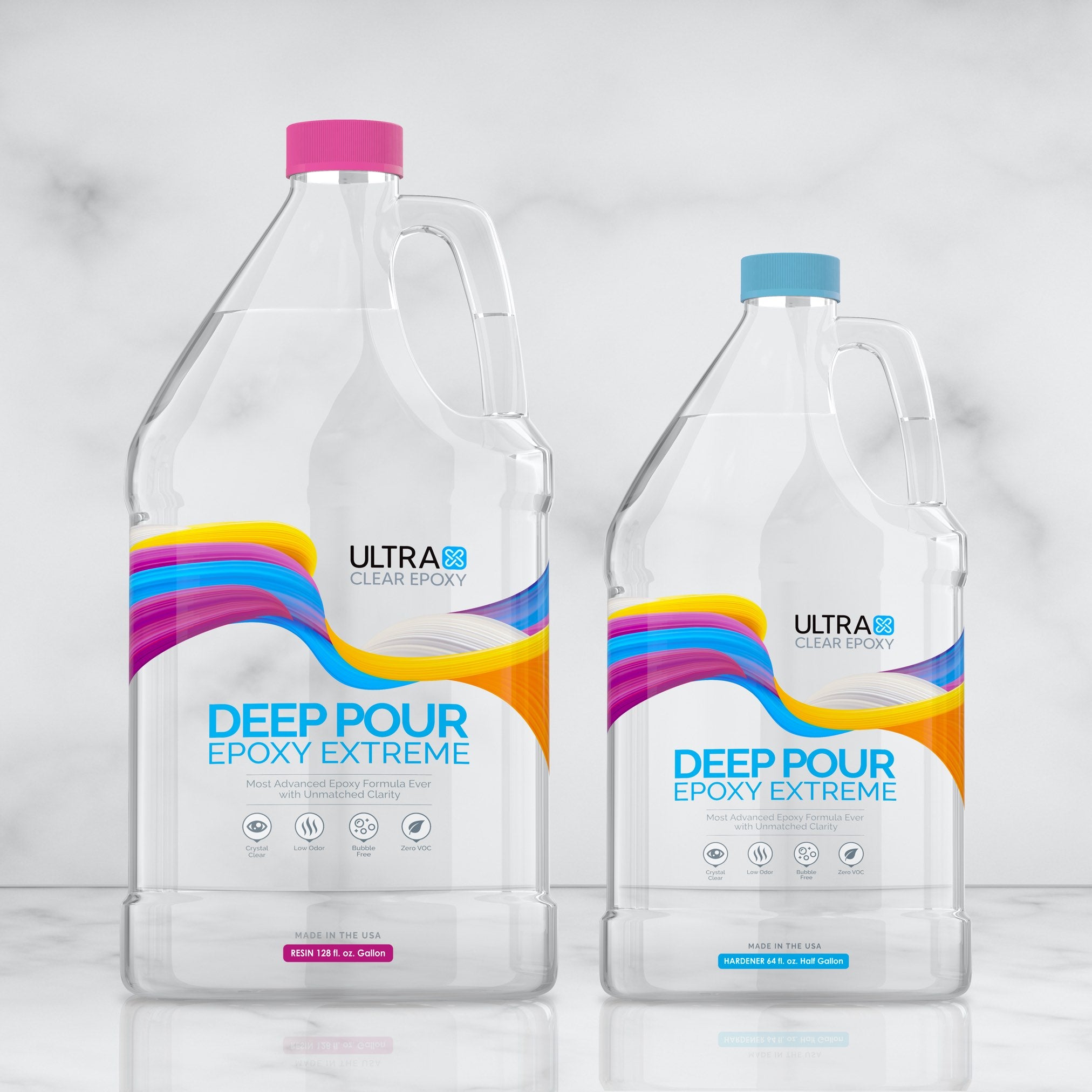
Many projects of this category require much thicker epoxy layers than usual. For such situations, UltraClear Deep Pour Epoxy is ideal, not only for thick finishes, but also for embedded objects, or even when you just need an extended working time.
Wall Art
Resin wall pieces can add depth, texture, and unique lighting effects to a space. Artists often experiment with layered pours, metallic pigments, and intentional texturing to create dramatic, three-dimensional designs.
For most epoxy wall art, UltraClear Art & Craft Epoxy’s self-leveling properties and crystal-clear finish make it well-suited for these pieces.

Home Décor Elements
Coasters, clocks, trays, or mirror frames offer opportunities to test color blends, try new techniques, and experiment with embedded materials like dried flowers, shells, stones, or metallic flakes. Most types of resin art fall into this category, and can include almost any item intended solely for display.
These projects are also a great way to learn how epoxy interacts with different substrates, and are often a way for new epoxy DIYers to gain experience with epoxy.
Jewelry and Small Accessories
Resin is perfect for creating pendants, earrings, keychains, and other small wearables. These projects demand precision in mixing and pouring, and benefit from a high-clarity, bubble-resistant epoxy to maintain fine details.
Functional Artistic Surfaces
Items such as bar tops, countertops, or cutting boards with resin inlays combine utility with aesthetic appeal. When properly finished, these surfaces can be food-safe, heat-resistant, and long-lasting.
Whether your resin art is designed to hang on a wall, be worn as jewelry, or serve as a daily-use item, the planning process is where your creative vision starts to take shape—and the right epoxy choice ensures that vision lasts for years.

Designing with Purpose: Aesthetic Planning for Resin Art
One of resin art’s most appealing aspects is its flexibility in design, but successful pieces rarely happen by accident. A strong aesthetic plan can transform a simple project into a gallery-worthy creation.
Before you begin, we encourage you to think beyond just “what looks nice” and consider the story, function, and emotional tone of your work.
-
Define Your Theme—Decide early whether your piece will be nature-inspired, abstract, geometric, or narrative-based. This helps guide color choices, shapes, and embedded materials.
-
Consider the Environment—Will your art hang on a wall, sit on a coffee table, or be worn as jewelry? The setting influences scale, durability needs, and color balance.
-
Nature-Inspired Themes—Ocean waves, flowing rivers, or wood-and-resin combinations can create calming, organic visuals. Soft gradients and translucent pigments often work best here.
-
Abstract Textures—Swirls, marbling, and layered pigments can convey movement and energy. Bold color contrasts or metallic accents can add drama.
-
Embedded Elements—Dried flowers, shells, stones, or metallic flakes add depth and detail, transforming a flat surface into a tactile, multi-dimensional work.
-
Color Harmony & Contrast—Choose a color palette with intentional contrasts or complementary tones to evoke the mood you want—serenity, vibrancy, elegance, or excitement.
-
Interaction with Light – Consider how natural or artificial lighting will affect the resin’s appearance. Transparent layers, iridescent pigments, and metallic powders can create dynamic effects that shift as lighting changes.
Aesthetic planning also means matching your design to the right epoxy properties.For example, UltraClear Art & Craft Epoxy’s clarity enhances depth in layered pours, while its UV resistance ensures colors stay vivid for years.
With thoughtful planning, your resin art becomes more than just visually appealing—it becomes purposeful, cohesive, and enduring.

Tips for Beginners
If you’re new to resin art, the following essentials will help you set up for success:
-
Choose the Right Epoxy – For most art projects, UltraClear Art & Craft Epoxy offers optimal working time, clarity, and ease of handling.
-
Gather Tools and Supplies – You’ll need mixing containers, stir sticks, protective gloves, a heat gun or torch (to remove bubbles), pigments, and a clean, level workspace.
-
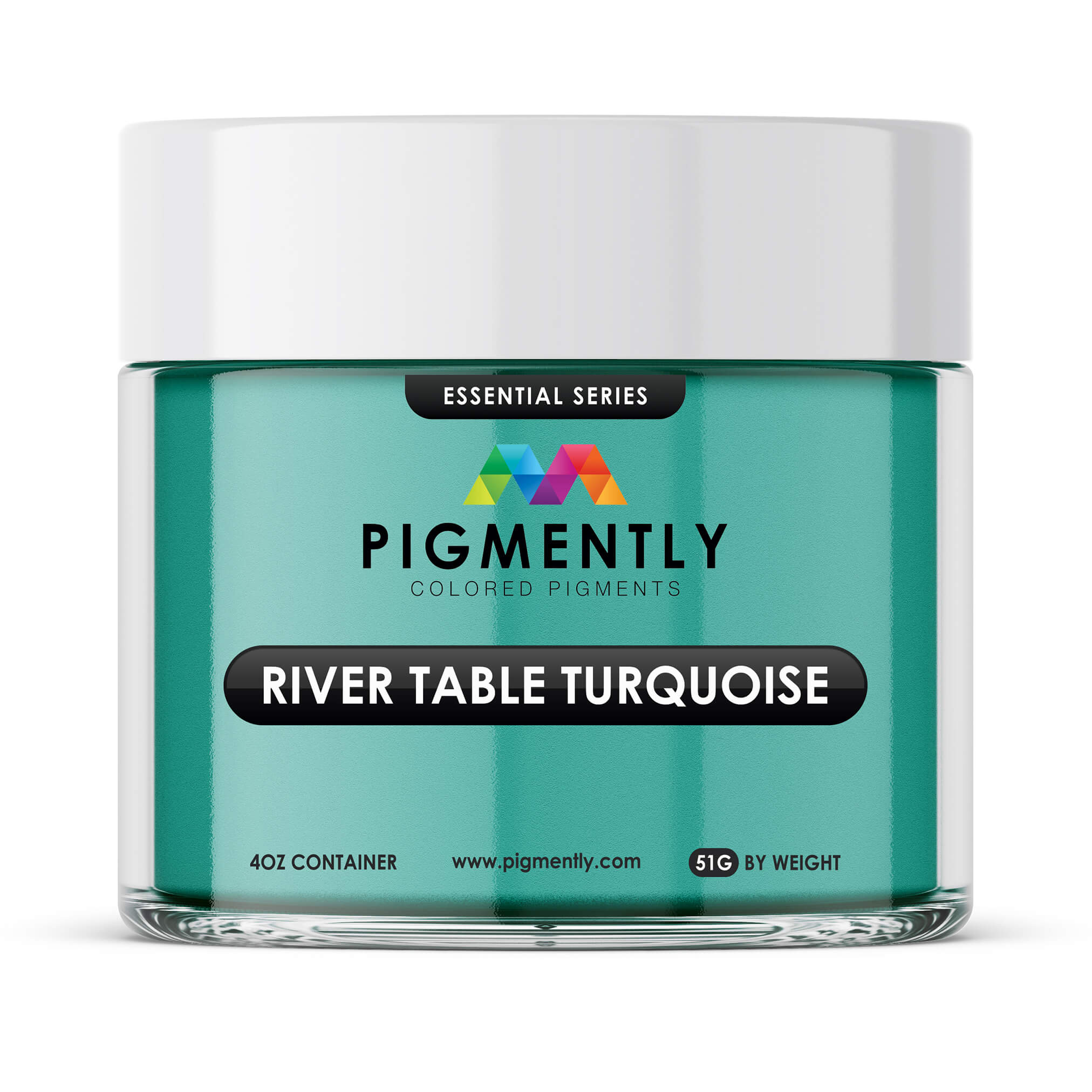
Source Quality Materials – Pigments, molds, and additives can be found through reputable art suppliers or online specialty shops. Avoid bargain-bin products of unknown origin—they can affect both safety and quality.
-
Start Small – Practice with coasters, trays, or small panels before attempting large-scale projects. This lets you refine your mixing and pouring techniques without committing large amounts of resin.
For expert advice, you can also contact us at UltraClear Epoxy.

Why You Should Avoid Low-Cost Budget Epoxies
Using low-cost, imported epoxies may seem like an easy way to save money, but the long-term consequences often outweigh any initial savings. Many budget brands are produced overseas with inconsistent manufacturing standards. This can lead to:
-
Quality Control Issues – Poorly refined resin may cure unevenly, produce excessive bubbles, or develop surface defects.
-
Shorter Lifespan – Cheaper formulations may yellow quickly, lose clarity, or degrade under UV exposure.
-
Health & Safety Concerns – Lack of rigorous testing can mean higher levels of VOCs or unsafe additives.
When you’ve put hours of effort into a resin art project, the last thing you want is for it to deteriorate after a short time.

The Value of UltraClear Epoxy for Resin Art
Using a premium-grade epoxy for your resin art will allow you to focus on performing each step without worrying about the resin itself failing you in some way.
At UltraClear Epoxy, our resin products are designed with the user in mind. Each batch is carefully produced in the U.S. to our high standards to ensure a clean, long-lasting epoxy product.
By choosing UltraClear Art & Craft Epoxy or UltraClear Deep Pour Epoxy ensures that your work benefits from a stronger, crystal-clear finish with exceptional UV resistance. These products are made in the U.S.A., providing peace of mind with consistent quality, lower maintenance needs, and an easy-to-clean surface that will keep your art looking pristine for years.

Resin Art FAQs
What is the best epoxy type for resin art?
For most resin art projects, UltraClear Art & Craft Epoxy offers an ideal combination of working time, clarity, and self-leveling properties.
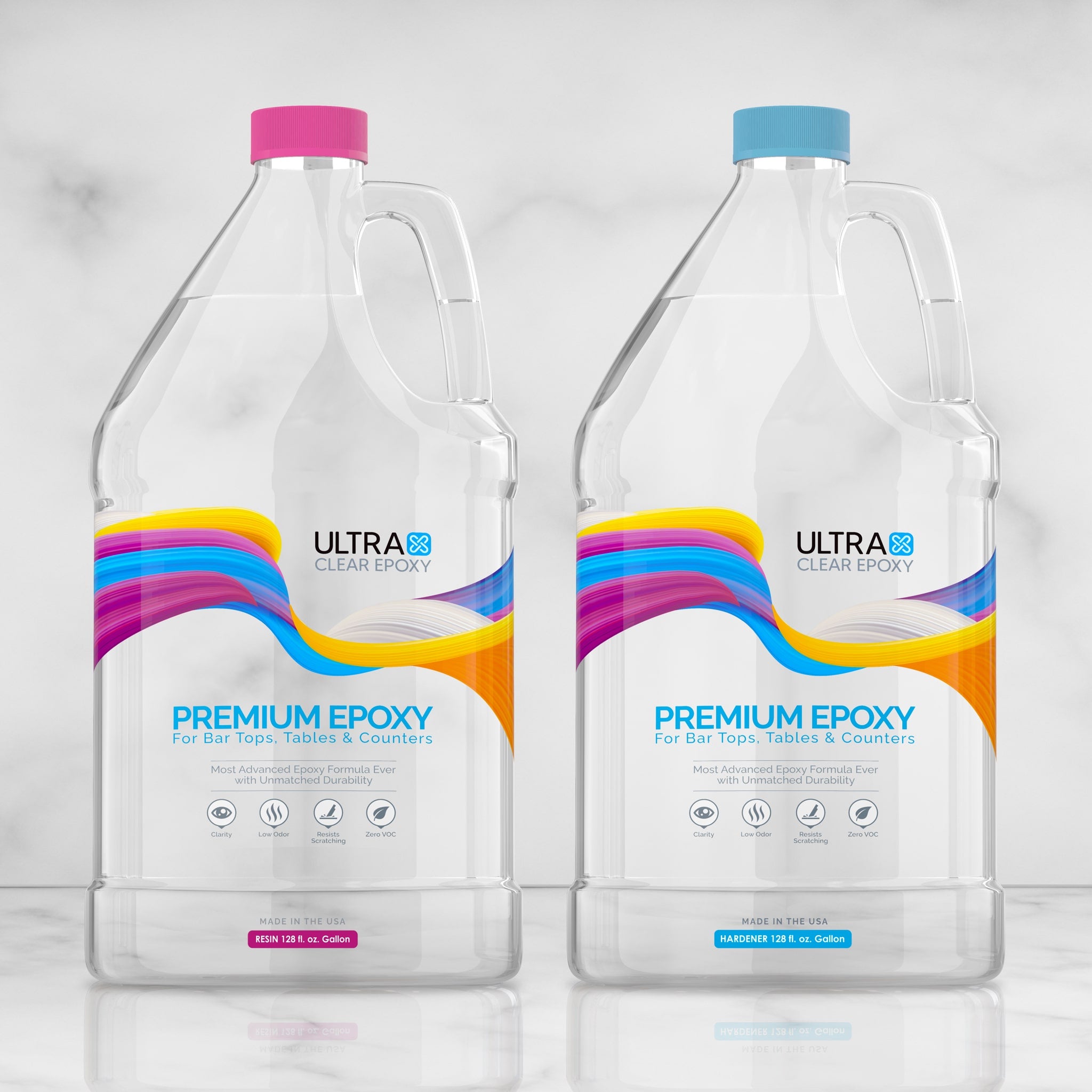
That being said, it really does depend on the project scale and your goals for it. For a table top, we typically recommend UltraClear Bar & Table Top Epoxy. And if you need thicker layers, UltraClear Deep Pour Epoxy is recommended.
How do I keep bubbles out of my resin art?
Mix slowly to avoid trapping air and use a heat gun or torch after pouring to release surface bubbles. Warming the resin slightly before mixing can also help.
See our guide to measuring and mixing for detailed advice on performing these steps.
Can I use resin art for food-related surfaces?
Yes, but only if you use a food-safe epoxy
All UltraClear Epoxy resins are food safe once cured—always let it cure fully before use.
How do I prevent resin from sticking to molds?
Use molds made from silicone or apply a mold release spray. This ensures the cured piece releases easily without damage.
Why did my resin turn cloudy?
Cloudiness can occur from moisture contamination, improper mixing, or low-quality resin. Always measure accurately and work in a dry environment.
For guidance on handling this and other common issues, see our article 17 Epoxy Project Mistakes and How to Prevent Them
How long should I wait before adding another layer?
For most UltraClear epoxies, a recoat window of 4–6 hours ensures a chemical bond between layers without sanding, and no more than 10 hours.
After 10 hours have passed, you must first sand the current surface before applying more epoxy.
See our guide to layering epoxy for more information.
Can I add color to epoxy resin?
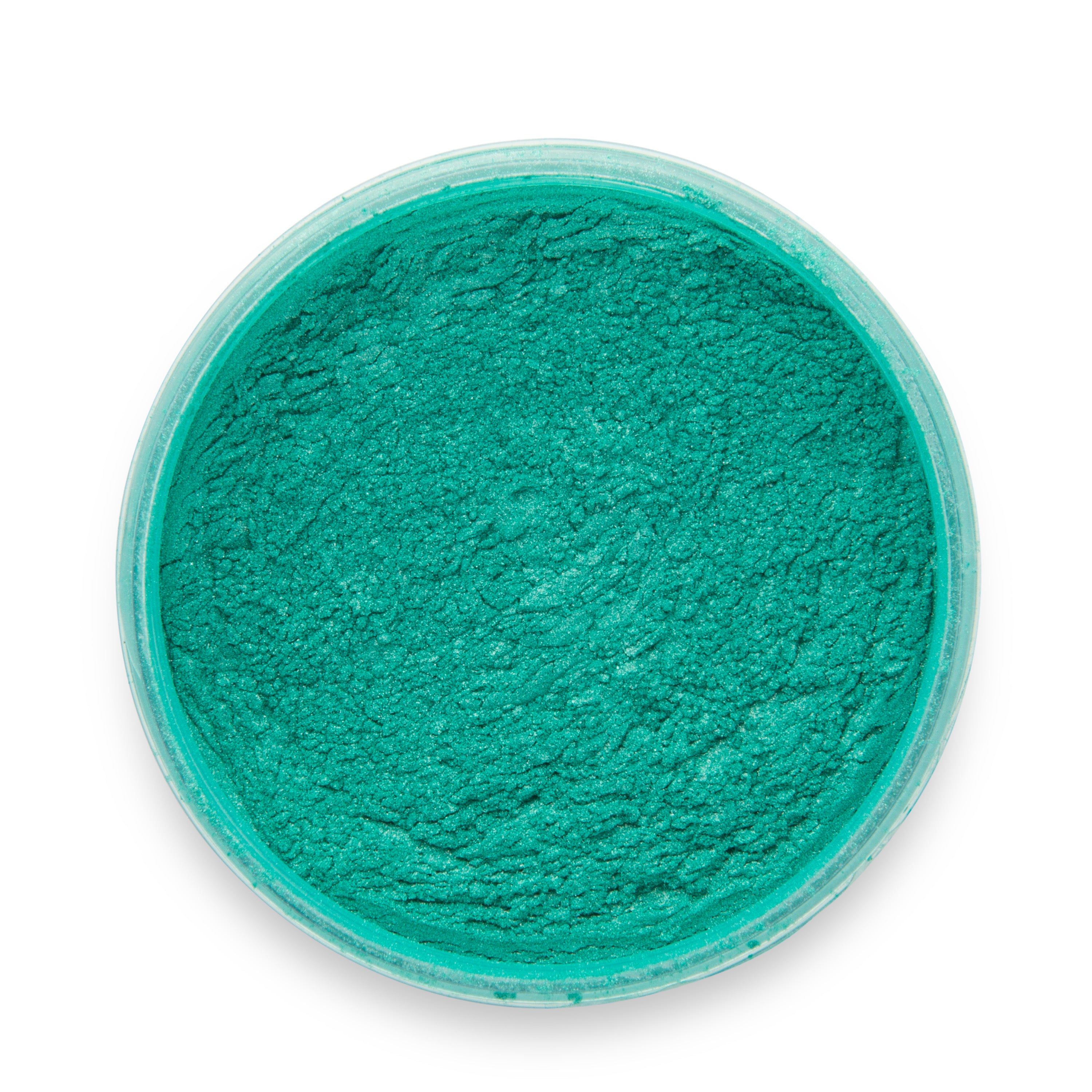
Yes—use epoxy-safe pigments, alcohol inks, or mica powders. Avoid water-based colorants, as they can interfere with curing.
We have an entire guide dedicated to epoxy-safe colorants, which you can view here.
How do I fix a resin art piece that didn’t cure properly?
If tacky after 72 hours, it may be under-mixed or improperly measured. In many cases, you can sand the surface and recoat with correctly mixed epoxy.
See our guide to epoxy fixes for steps on how to handle this.

Have Questions? Want Advice? We're Here to Help!
If you have any questions about epoxy resin art, or if you'd like assistance in planning an epoxy project, please reach out to us at UltraClear Epoxy—our epoxy experts are ready to assist!
You can contact us via phone or email here. During business hours, you can also text chat online with one of our resin specialists by clicking the Help button at the bottom of your screen.
In our online store, you'll find a variety of useful tools and supplies, ideal for resin projects, plus our award-winning UltraClear Bar & Table Top Epoxy and our UltraClear Deep Pour Epoxy.
UltraClear Epoxy—Trusted by over 1 Million+ Happy Customers